
Key facts: Norwalk
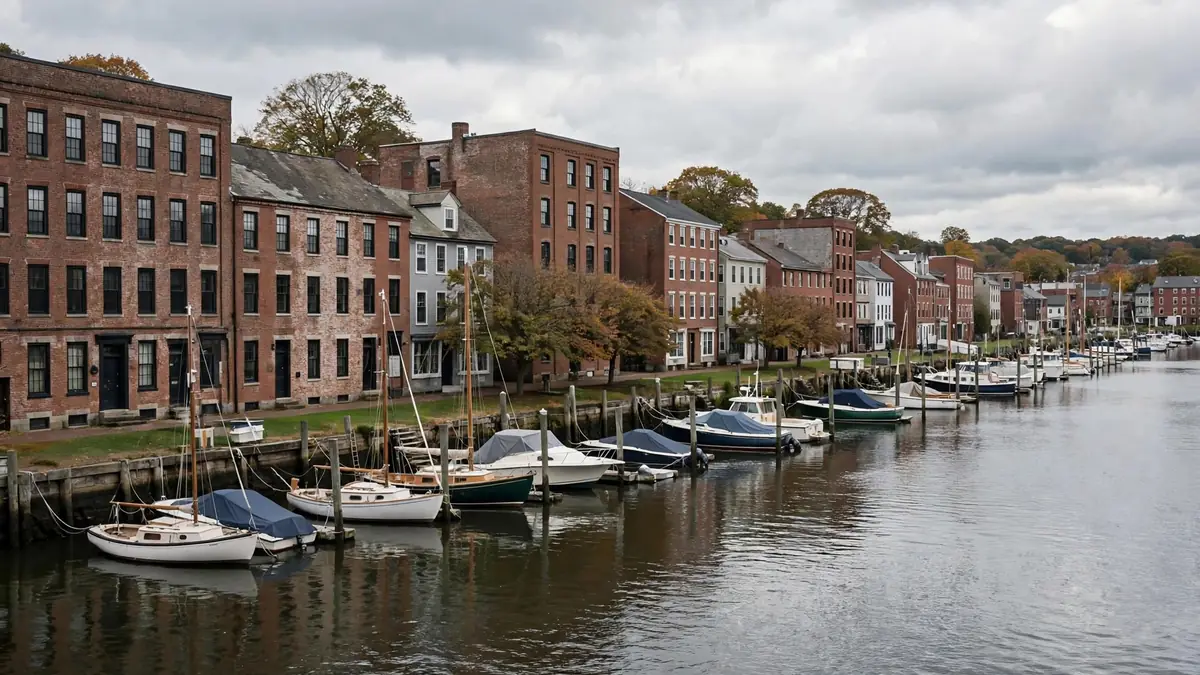
- Settled in 1649, Norwalk faces Long Island Sound along Connecticut's western coast [1].
- After meeting the Silvermine River, the Norwalk River reaches Norwalk Harbor and the Sound [2].
- No flood in Norwalk's recorded history did more damage than the one in 1955 [2].
- Norwalk was hit by three storms in 1955, Connie and Diane in August and a further storm in October [1].
Coverage
Norwalk and nearby covered towns
Coverage is by ZIP code; your call confirms your address. Covered places in and near Norwalk include:
- NorwalkFive Norwalk ZIP codes are covered.
- WestportOne covered ZIP code to the east.
- Wilton and WestonOne covered ZIP code each up the river valley to the north.
- Darien and New CanaanOne covered ZIP code each to the west.
- Not listed?Give your ZIP code when you call. Uncovered addresses are told so on the spot rather than being sent elsewhere.
Norwalk homes
Norwalk's housing and how it handles water
Norwalk is one of the older settlements on the Connecticut shore, settled in 1649 along the Sound's Connecticut side [1]. The city grew around its harbor and river, and its housing reflects that history: older village-center houses and multi-family buildings near the river, mid-century single-family neighborhoods on the hills, shoreline homes near the water, and newer apartment and condo buildings around the redeveloped areas near the harbor.
Water damage looks different in each. Shoreline and riverside homes face outside flooding. Older multi-family buildings deal with stacked leaks and shared basements. Single-family homes up the hill mostly see finished basement flooding, burst pipes and appliance failures. Newer buildings see unit-to-unit leaks.
The restoration process is the same everywhere: stop the water, map the moisture, remove what will not dry and dry the rest. What changes is how contaminated the water is and how many households are involved.
Common jobs
Water damage Norwalk residents call about most
The situations that come up again and again.
River-area basement flooding
Homes near the Norwalk and Silvermine rivers take on water when rivers rise.
Coastal storm flooding
Shoreline streets see storm surge and wind-driven rain during strong storms.
Finished basement seepage
Groundwater through foundations and failed sump pumps in hillside neighborhoods.
Frozen and burst pipes
Cold snaps freeze pipes in exterior walls and unheated spaces.
Condo unit-to-unit leaks
Appliance and plumbing failures in one unit damage units below.
Ice dam leaks
Snow melts and refreezes at roof edges, pushing water into ceilings [10].
River history
The Norwalk River and the floods of 1955
The Norwalk River runs south from Ridgefield through Wilton into Norwalk, picks up the Silvermine River and then empties into Norwalk Harbor and the Sound [2]. In August 1955, tropical storm rain of around 12 to 14 inches caused the river to flood severely, a flood worse than any before it in the city [2].
Connie and Diane in August and another storm that October all struck Norwalk that year, flooding the harbor area [1]. The 1955 floods damaged river valleys across Connecticut [3]. Flood control has improved since then, but homes in the river's floodplain still face risk in extreme rain.
Flood water
When the river or the Sound comes into your house
River and coastal floodwater is treated as the highest contamination category. It can carry sewage, fuel, chemicals and debris [6]. Anything porous that it soaks, including carpet, pad, drywall, insulation, upholstered furniture and mattresses, is generally removed and discarded. Hard surfaces are cleaned and disinfected before drying.
Wait for officials to say it is safe to return. Check for structural damage, gas smells and electrical hazards before going in [7]. Take photos of the water line on walls and of damaged belongings. Flood damage is usually covered by flood insurance, not standard homeowners policies [9].
A Norwalk flood job
How a Norwalk flood cleanup typically proceeds
- 1
Wait for safe entry
Do not enter until water has receded and officials allow it.
- 2
Check utilities
Gas, electricity and heating equipment are checked before use.
- 3
Document
Water lines, damaged rooms and belongings are photographed.
- 4
Pump and extract
Remaining water is pumped and extracted.
- 5
Remove soaked materials
Carpet, pad, drywall below the water line and insulation are removed.
- 6
Clean and disinfect
Framing, slabs and hard surfaces are cleaned and treated.
- 7
Dry
Dehumidifiers and air movers until readings reach dry goals.
- 8
Rebuild
With water-tolerant materials where possible.
Housing types
Norwalk housing types and their water damage risks
Generalizations; each home differs.
| Housing type | Typical problems | Restoration notes |
|---|---|---|
| Riverside older homes | River flooding, damp basements | Contaminated water cleanup, basement drying |
| Shoreline houses | Storm surge, salt residue | Removal of soaked materials, rinsing, crawl space drying |
| Hillside single-family | Finished basement seepage, sump failures | Flood cuts, slab drying |
| Older multi-family | Stacked leaks, shared basements | Multi-unit mapping and coordination |
| Newer condos and apartments | Appliance and sprinkler leaks | Management coordination, unit-by-unit drying |
Shoreline
Shoreline neighborhoods and Rowayton
Norwalk's coast includes neighborhoods along the harbor and the Sound, as well as Rowayton, a village on the water at the city's western edge [4]. Homes near the water face coastal storm surge, which pushes seawater onto land when strong winds drive it toward shore [5]. Many houses here have been raised or retrofitted with flood vents, but lower levels, garages and crawl spaces still take on water.
After a coastal flood, salt residue has to be rinsed from surfaces that are kept, and electrical and mechanical systems exposed to seawater usually need inspection by licensed trades. Crawl spaces are dried with dehumidifiers, and vapor barriers and insulation are often replaced.
Basements
Basement water on Norwalk's hills
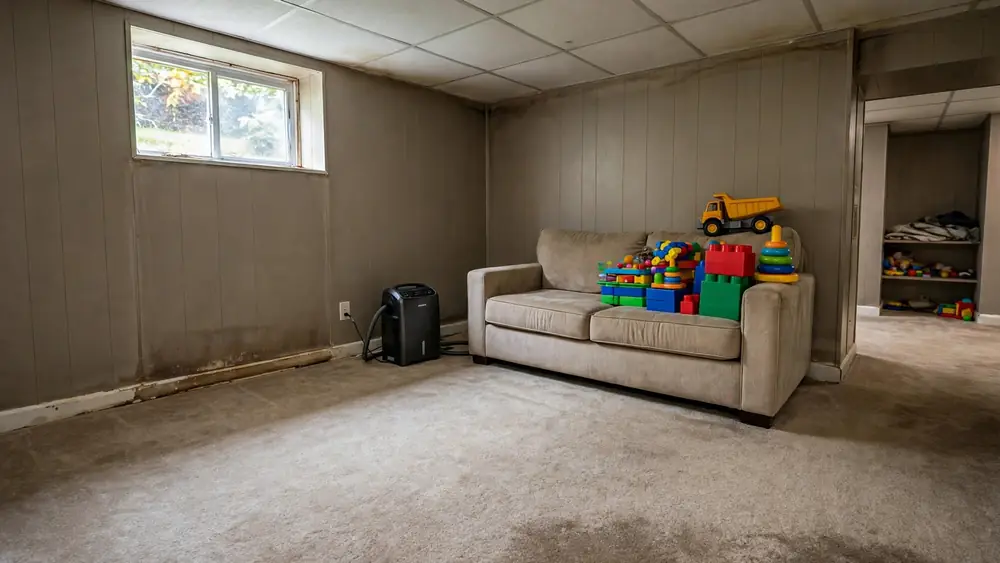
Most single-family homes in Norwalk away from the water have full basements, often finished. Water comes in from groundwater after long rains and snowmelt, from overflowing gutters and short downspouts, and from failed sump pumps. A finished basement holds that water in carpet, pad and the lower drywall.
Cleanup usually means extraction, removing pad and the lower part of wet walls, and drying the slab and framing. See flooded basement cleanup and sump pump failure cleanup.
Winter
Frozen pipes and ice dams in Norwalk
Norwalk winters are milder than inland Connecticut but still bring hard freezes. Pipes in exterior kitchen walls, in rooms over garages and in crawl spaces are vulnerable. Keep the heat steady, open sink cabinets on cold nights and let faucets drip during extreme cold [11].
Snowy winters also bring ice dams, especially on older houses with limited attic insulation. Meltwater backs up under shingles at the eaves and into ceilings and walls [10]. Restoration involves removing wet attic insulation and drying the ceilings and walls below.
Norwalk checklist
First steps for Norwalk homeowners
Do these in the first hour if it is safe.
- Stop the water if you canClose the main valve for pipe leaks. For flooding, wait for it to recede.
- Stay out of floodwaterIt is contaminated and may hide hazards.
- Cut power safelyOnly from a dry location.
- Photograph everythingWater lines, rooms and belongings.
- Move valuables upDocuments, photos and electronics to a dry floor.
- Call your insurerHomeowners and, if you have it, flood insurance.
Mold
Mold prevention in Norwalk homes
Coastal humidity and finished basements make mold a concern after any water event. The EPA advises drying within 24 to 48 hours and keeping humidity below 60 percent [12]. After floods, mold can grow quickly on wet drywall, insulation and carpet that is left in place. See mold prevention after water damage.
South Norwalk
South Norwalk and the harbor area
South Norwalk, near the harbor, mixes older brick buildings, multi-family houses and newer apartment buildings. Being near the water and the river mouth, it sits close to coastal and river flood risk in major storms. Day-to-day water damage here more often involves apartment leaks between units, older plumbing and roof leaks. Restoration in multi-unit buildings requires coordination with owners, managers and tenants.
Silvermine and the valley
Silvermine, the river valley and north Norwalk
Upriver, the Silvermine area and the northern parts of the city have more single-family homes, wooded lots and streams. Houses near the Silvermine and Norwalk rivers may see water when rivers rise. Houses further from the rivers mostly deal with basement seepage, sump pumps and winter freezes. Some homes in this part of the region also rely on private wells and septic systems.
Permits
Permits and contractor checks in Norwalk
Drying and cleanup usually do not need a building permit, while rebuilding, electrical and plumbing work often do. Norwalk's building department handles permits in the city. Homes in mapped flood zones may face additional rules when rebuilding after significant flood damage, so ask the building department before starting large repairs. Check that any home improvement contractor is registered with the Connecticut Department of Consumer Protection [13].
Insurance
Insurance after water damage in Norwalk
Sudden water damage from burst pipes and appliances is commonly covered by homeowners insurance. River and coastal flooding generally require flood insurance, such as through the National Flood Insurance Program [9]. Sewer and sump backup often need an endorsement [14]. The Connecticut Insurance Department can help with questions [15].
Norwalk symptoms
Signs Norwalk homeowners notice and what they usually mean
A quick reference before calling.
| What you notice | Likely cause | What to do first |
|---|---|---|
| Muddy water in the basement after heavy rain | River or surface flooding | Stay out until safe; treat as contaminated |
| Clear water seeping at the floor-wall joint | Groundwater pressure | Move belongings; check sump and gutters |
| Salt crust on lower walls after a storm | Seawater intrusion | Rinse and dry; have utilities checked |
| Wet ceiling under a bathroom | Toilet, tub or shower leak | Close fixture valves or the main |
| Stains along the top of exterior walls in winter | Ice dam | Call a roofer and restorer |
| Water under the kitchen sink and cabinets | Supply line or dishwasher leak | Close the valves; pull out the toe kick |
Contents
Belongings after a Norwalk flood
After floodwater, porous items that were soaked are usually discarded because they cannot be reliably cleaned [6]. Hard items, such as metal, glass, hard plastic and solid wood, can often be washed and disinfected. Important papers and photos can be frozen until they can be professionally dried. Photograph and list everything you discard for the insurance claim.
Preparing
Preparing a Norwalk home before a big storm
When forecasters warn of a tropical storm or a strong nor'easter, there are practical steps that limit water damage. Move valuables, documents and electronics out of the basement and off lower floors. Clear gutters, downspouts and any storm drain near your driveway. Test the sump pump and charge or check the backup battery. Know where your main water valve and electrical panel are.
If you live near the river or the shoreline, follow local emergency instructions and evacuate when told to [7]. Photograph each room before you leave; those images help with any claim afterwards. Do not return until officials say it is safe, and never drive through flooded roads [8].
After the storm, check the house for water before turning on equipment. If the basement flooded, do not turn on power to it or restart the furnace or water heater until they have been checked.
Crawl spaces
Crawl spaces under Norwalk's older and shoreline homes
Many older Norwalk houses and shoreline cottages sit partly or fully over crawl spaces. After a flood or a long rain, water can pool on a dirt or thin concrete crawl space floor, soak the insulation under the floor and keep the floor above damp for weeks. Musty smells upstairs, cupping floors and condensation on windows are clues.
Drying a crawl space involves pumping standing water, removing wet insulation and torn vapor barrier, and running dehumidifiers and air movers inside the space. Afterwards, a new vapor barrier and sealing vents or encapsulating the crawl space can reduce moisture over the long term. A contractor may recommend checking the floor framing for rot if the space has been wet for a long time.
Multi-family
Older multi-family buildings in Norwalk
Norwalk's older neighborhoods near the river and the center include two- and three-family houses and small apartment buildings. In these, a leak in one unit often reaches the next, and basements are shared. Tell the owner and the other households immediately, shut off the water and document everything. The restorer maps each unit and dries the whole affected area, coordinating access with the owner.
Tenants should report damage in writing and keep photos. Renters insurance usually covers personal belongings; the owner's policy covers the building.
Condos
Norwalk condos and apartment buildings
Newer residential buildings in Norwalk, including those around the harbor and the redeveloped areas near the center, see the same leak patterns as condos elsewhere: dishwasher and refrigerator lines, toilet supply lines, water heaters inside units, and sprinkler heads. Water travels down to the units below. Building management and the association are usually involved, and each owner may file with their own insurer as well as the master policy. The restorer documents each unit separately so the claims can be sorted out.
Neighbors upriver
Wilton, Weston and the upper valley
Above Norwalk, the river valley runs north through Wilton, where homes sit on larger wooded lots, many with private wells and septic systems. Water damage calls from these towns lean toward finished basements, sump pump failures during storm outages, well equipment leaks in basements and frozen pipes in long plumbing runs. Houses close to the river and its brooks face the same rising-water risk as those downstream when heavy rain falls on saturated ground.
Septic homes need special care when a basement floods, because a saturated leach field can stop draining and push wastewater back toward the house. If drains are slow during or after a storm, limit water use and call a septic contractor along with the restorer.
Westport, Darien and New Canaan
Neighboring shoreline and inland towns
To the east, Westport has a long shoreline; to the west, Darien sits on the Sound; and New Canaan lies inland to the north. Each is covered by one ZIP code. Shoreline homes in these towns face coastal storm flooding, while inland homes mostly see basement, pipe and appliance leaks. The restoration steps are the same as in Norwalk; what differs is the source of the water and whether it is contaminated.
Larger houses in these towns often have extensive finished lower levels, multiple water heaters and long plumbing runs, which means a single failure can affect several rooms. Leak sensors and automatic shutoff valves are worth considering after any significant water loss.
After the job
Keeping a Norwalk home dry after restoration
Once drying is finished, keep an eye on the areas that were wet. Run a dehumidifier in the basement through the humid months, check for musty smells and new stains, and keep the drying report with your home records. If the cause was outside water, look at what can be changed: regrading, longer downspouts, a backup sump pump, a backwater valve or raised utilities in flood-prone homes.
When rebuilding a lower level that has flooded before, choose materials that survive getting wet: tile or vinyl flooring instead of carpet, closed-cell or rigid foam insulation, and wall panels or moisture-resistant board that stop short of the slab. Keep stored belongings in sealed plastic bins on shelves rather than cardboard boxes on the floor. These choices do not stop water from coming in, but they turn the next event into a shorter cleanup rather than a full tear-out.
If you are in a mapped flood zone, review your flood insurance each year before hurricane season, and keep an up-to-date inventory of what is stored on the lower floors. A short video walk-through of each room, recorded once a year on a phone, is an easy way to keep that record current. Store a copy somewhere outside the house, such as cloud storage, so it survives the same storm that damages the home. Add receipts for larger purchases to the same folder as you buy things, and the inventory largely takes care of itself over the years with very little extra effort on your part from one year to the next.
Getting help
What to have ready when you call from Norwalk
Have your ZIP code, the type of home and a short description of where the water came from. If it was river or storm flooding, mention how high the water rose and whether it has receded. Your call is connected to an independent local restoration contractor who can talk it through on that same call.
FAQ
Questions from Norwalk residents
My basement flooded when the river rose. Is that covered by insurance?
Usually not by standard homeowners insurance. River flooding generally falls under flood insurance.
Is it safe to clean up floodwater myself?
Floodwater is contaminated. If you do any cleanup, wear boots, gloves and eye protection, and leave soaked drywall, carpet and insulation removal to professionals where possible.
Do I need a permit to rebuild after a flood?
Rebuilding often needs permits, and flood zone rules may apply after substantial damage. Ask Norwalk's building department.
Why does my basement flood every spring?
Snowmelt and spring rain raise groundwater. Gutters, downspouts, grading and a reliable sump pump usually help.
Can seawater-damaged appliances be used?
Not until a licensed technician has checked them. Salt corrodes controls and wiring, so replacement is common.
Are all Norwalk ZIP codes covered?
Five Norwalk ZIP codes are covered. Your call confirms your address.
Who handles Norwalk water damage?
An independent restoration contractor covering Norwalk and the towns around it. This site only puts the call through; the agreement is between you and them.
Nearby
More around Norwalk
Back to all of Connecticut. Nearby pages: Bridgeport, Danbury, New Haven, New London and Groton, Stamford, Waterbury.
Related help for Norwalk: water extraction, structural drying, sewage backup cleanup, fire damage restoration and smoke damage cleanup. First time dealing with this? Read the first hours after water damage.
Sources and citations
- [1]Wikipedia — Norwalk, Connecticut
- [2]Wikipedia — Norwalk River
- [3]Wikipedia — Flood of 1955 (Connecticut)
- [4]Wikipedia — Rowayton, Connecticut
- [5]Wikipedia — Storm surge
- [6]U.S. EPA — Flooded homes: cleanup and safety
- [7]Ready.gov — Floods
- [8]National Weather Service — Flood safety
- [9]Wikipedia — National Flood Insurance Program
- [10]Wikipedia — Ice dam (roof)
- [11]Ready.gov — Winter weather
- [12]U.S. EPA — A brief guide to mold, moisture and your home
- [13]Connecticut Department of Consumer Protection
- [14]Wikipedia — Homeowner's insurance
- [15]Connecticut Insurance Department