
Key facts: Plumber or Restoration Contractor
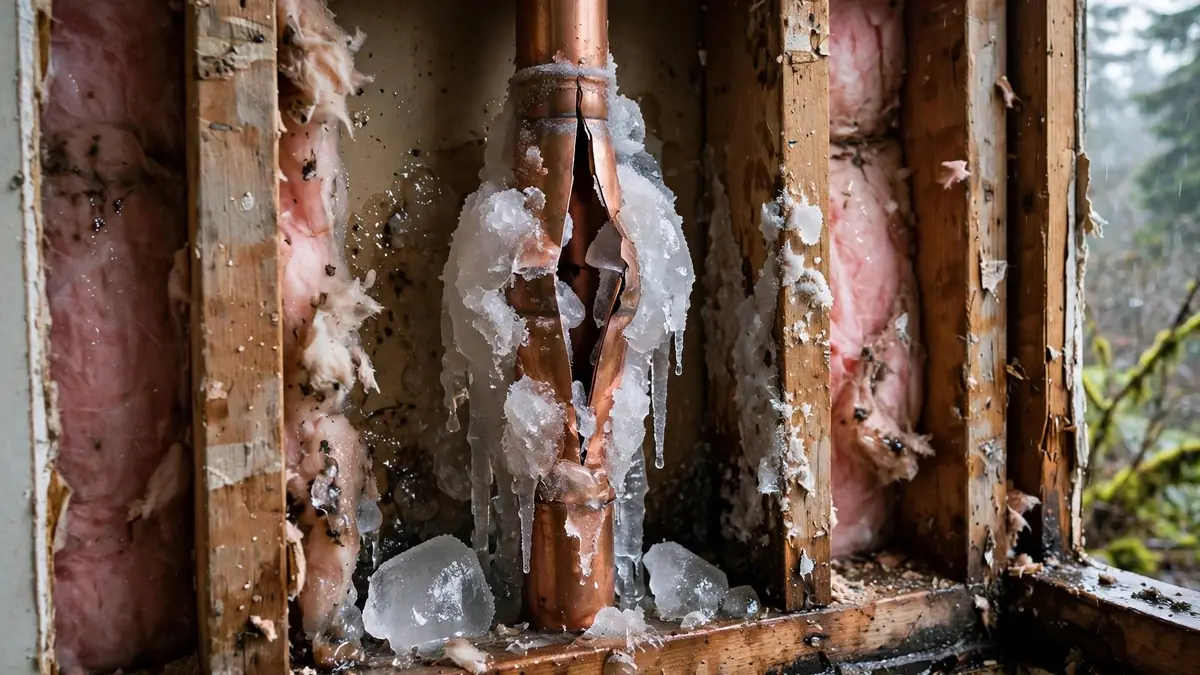
- A plumber repairs the failure, while a restorer handles water left in the building.
- EPA's 24 to 48 hour drying target means restoration should not wait long [1].
- Sewer blockages may belong to a sewer contractor or your utility.
Compare
Dividing the work between trades
| Task | Who usually does it |
|---|---|
| Stop or repair the leak | Plumber |
| Remove water and dry the building | Restoration contractor |
| Clear a sewer line | Plumber or sewer contractor |
| Repair roof damage | Roofer |
| Check wet electrical systems | Licensed electrician |
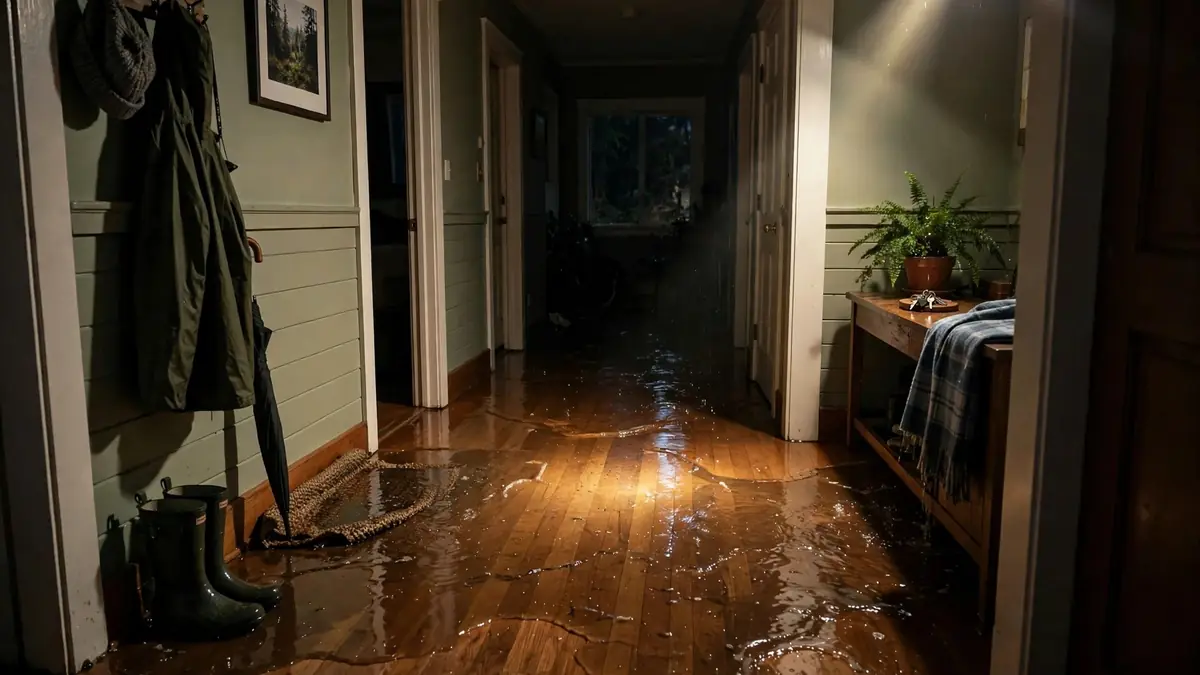
The floor tells you restoration is needed too
Order
Your call sequence once the valve is shut
Shut off the water. Call the plumber if the failure needs fixing to restore service. Call the restorer so drying can begin. Call your insurer as soon as you have the facts. Keep invoices separate for each trade, since your adjuster may review them differently.
Answer first
The quick way to decide
Ask one question: is water still coming in? If yes, and you cannot stop it, the plumber comes first. If it has stopped, either because you closed a valve or the failure was a one-time overflow, the restoration contractor can come first, since wet materials are now the urgent problem. Many leaks need both, and it often makes sense to call them within minutes of each other.
These trades solve different problems. A plumber deals with the pipe, fixture or drain that failed. A restoration contractor deals with water that has already escaped, including what soaked into walls, floors and ceilings. A plumber who repairs a pipe has not dried your wall, and a restoration crew that dries your wall has not necessarily fixed your pipe.
Your first job is neither call. If you can reach the shutoff safely, close it. Stay clear of water near outlets, panels or sagging ceilings. If you do not know where your main valve is, the burst pipe water damage page explains how to find it.
Scenarios
Matching the situation to the first call
These are common situations and a reasonable first call for each. Your own circumstances, and safety in particular, may change the order.
| What happened | First call | Then |
|---|---|---|
| Pipe spraying and you cannot find the shutoff | Plumber or water utility emergency line | Restoration once water stops |
| Pipe burst, main valve now closed, water on floors | Restoration contractor and plumber at about the same time | Insurer |
| Water heater leaking, valve closed | Plumber | Restoration if water reached walls or flooring |
| Dishwasher or washer overflow, machine off | Restoration if floors or walls are wet | Appliance tech or plumber for the cause |
| Toilet overflow, clean bowl water | Plumber if it keeps happening | Restoration if water spread beyond the bathroom |
| Sewage coming up from a drain | Plumber or sewer contractor for the blockage, and stop using water | Restoration for sewage cleanup |
| Slow stain on a ceiling with an unknown source | Plumber or roofer, depending on location and weather | Restoration once the source is known |
| Rain coming through a damaged roof | Roofer or tarping crew | Restoration for wet materials |
| Water near electrical panel or outlets | Stay out; call the utility or electrician if unsafe | Restoration after power is safe |
The plumber's job
What a plumber does and does not do
A plumber finds and repairs failures in supply lines, drains, fixtures, water heaters and similar systems. Depending on the job, that can include leak detection, clearing drains, and restoring water to the rest of the house, sometimes by capping a damaged line.
Getting water back on is often what you most want from a plumber. Restoration crews can dry a home with the water off, but living without water is hard. A plumber can often isolate the broken section so the rest of the house has service while repairs and drying go on.
What plumbers usually do not do is dry a building. They may open a wall to reach a pipe and leave the hole for someone else to close, and that is normal. Ask whether wall patching is included before they start. Also ask them to show you or photograph the failed part and to keep it, because it can be useful for your insurer or for a question about the cause.
The restorer's job
What a restoration contractor does and does not do
A restoration contractor extracts water, removes materials that cannot be dried, sets up air movers and dehumidifiers, monitors moisture, and cleans contaminated areas where needed. The usual reference for this work is the ANSI/IICRC S500 standard. The work can include moving and protecting contents as well.
Most restoration crews do not repair the plumbing, though some companies have plumbers on staff or partners they use. They may turn off a valve to stop a leak, but ask whether the pipe has been repaired or only isolated. Some companies rebuild after drying, and others only do the mitigation stage, leaving walls and floors open for another contractor.
Ask about that up front, since it affects how many crews you will have in your home. On this site's water damage restoration page you can read more about each stage of the work, and how it is commonly organized.
Beyond the two
Other trades that may be needed
A water loss can involve more than two trades. These are the common additions.
- Licensed electricianFor any wiring, panel or outlet that got wet. Do not reuse wet electrical equipment until it has been checked.
- RooferWhen the water came from above. Temporary tarping may come first if rain is coming.
- Sewer contractor or utilityWhen the blockage is in the main line or the street, responsibility may differ, so ask your utility.
- HVAC technicianFor a flooded furnace, wet air handler, or a blocked condensate line.
- Appliance repair technicianFor a failed washer, dishwasher or ice maker line.
- Mold specialistWhen visible growth is more than a small area. EPA uses 10 square feet as its rough line for when a homeowner can usually handle it.
- Flooring and drywall tradesFor the rebuild once materials are dry.
Walkthrough
A sample morning after a burst pipe
This is how a coordinated response usually works in a home with a burst supply line. It shows the sequence, not a promised timeline.
- 1
Stop and make safe
Close the main valve. If water is close to electrical equipment, turn off power at the panel only if you can reach it while staying dry. Otherwise leave the house and call for help.
- 2
Record it
Take photos and video of the failed pipe, the water and the affected rooms before cleanup begins.
- 3
Call the plumber
Describe where the failure is and that the main is closed. Ask whether they can isolate the line so the rest of the home can have water.
- 4
Call for restoration
Explain what got wet, how long ago it started and whether it reached other floors. Ask what they would like you to do before they arrive.
- 5
Report to your insurer
Give the basic facts. Ask what the insurer needs, and whether you should wait for an adjuster before removing materials.
- 6
Let them work in order
The plumber may need access through the area that the restoration crew wants to open. A short conversation between them prevents duplicate holes in your walls.
- 7
Get the paperwork
Ask each trade for a written description of the work done, and keep these separate. Note any cause the plumber identified.
Coordination
Keeping the two trades from getting in each other's way
Sequencing small things matters. If the restoration crew dries a wall before the plumber opens it, you may repeat some work. If the plumber restores water before anyone has confirmed the repair holds, new leaks may run into a drying area. Give each trade the other's phone number, and tell them what the other has found.
Pressure-testing or running water through the repaired line is worth asking about. A small leak at a new fitting can look like stalled drying a few days later. If drying readings suddenly stop improving, mention the repair to the contractor and ask the plumber to recheck it.
Decide who opens what. A plumber usually needs only enough access to reach the failure, whereas drying may require more of the wall opened. If both will be cutting, a single conversation helps limit the patching later. Before anybody cuts, older homes may have lead paint or asbestos, so tell them the age of the house.
Asking well
Questions for each one when they call back
Short, specific questions get you better information and a clearer record.
- For the plumber: what failed and why?Knowing the cause helps your insurer and helps you prevent a repeat. Ask if the same weakness exists elsewhere in the home.
- For the plumber: is the line repaired or only capped?A cap restores service but may leave a permanent repair still to do.
- For the plumber: do you hold the required license?Licensing rules vary by state and locality. Your state or local licensing board can confirm it.
- For the restorer: what standard do you follow?Ask how they decide what stays and what goes, and how they measure dryness.
- For the restorer: will I get moisture readings?A log of readings shows the progress and supports any insurance documentation.
- For the restorer: who does the rebuild?Find out whether putting the walls and floors back is part of their work or a separate job.
- For both: is your scope in writing?Ask what is included before signing, and read anything you are asked to sign.
One call or two
Can one company really handle everything?
Sometimes. Some businesses employ plumbers and restoration technicians, and that can make scheduling simpler. Others are specialists who work with outside partners. There is no single right arrangement. What matters is that each job is done by someone qualified for it, with the licensing your area requires.
A single company can reduce the back-and-forth. Separate specialists may give you more choice and a second set of eyes. Whichever you choose, ask who is doing each task, and whether a sub-contractor is involved. Water Damage First is a referral service; calls connect you with independent contractors, so ask each contractor directly what they themselves do and whom they use for anything else.
Records
Insurance is one reason to keep trades separate on paper
Coverage is your policy's call, so the following is general and not advice. Many policies treat the failed part and the resulting damage differently. In general terms, the repair of a worn pipe may be handled differently from the water damage it caused, and that makes separate invoices helpful to whoever reviews your claim.
Report damage as soon as you can, as NAIC and state regulators advise, and ask about your deductible and any requirements your insurer has. NAIC cautions against permanent work ahead of the inspection, since it can jeopardize a claim, while Florida's guidance says to make temporary repairs that prevent further damage. Ask how that applies to you if you have to act before an adjuster's visit. The adjuster guide covers this in more depth.
Meanwhile
What you can do before anyone arrives
A few low-risk steps can limit the damage while you wait for either trade.
- Know where the main valve is, and show someone else in the home.
- Open cabinet doors under leaking fixtures so the plumber can see in and the air can move.
- Move small belongings and rugs out of the wet area, and lift furniture if you can do so safely.
- Keep pets and children away from water, and skip the area completely if it may contain sewage.
- Put a bucket under an active ceiling drip, and stay out from beneath any sag.
- Clear a path to the leak and to the water heater, panel and main shutoff.
- Do not flush or run water if a drain is backing up.
Quick signs
Clues that point to one trade or the other
Sometimes you can't tell what you need. These signs help you decide whom to ring first when nothing is obviously spraying.
- Water bill or meter moving with fixtures offPoints to a plumber, because water is going somewhere you cannot see.
- Damp patch that grows without rainAlso points to a plumber, then restoration once the source has been found.
- Stain that only appears after a stormPoints toward a roofer or exterior repair, rather than plumbing.
- Musty smell, no visible leak, soft baseboardsPoints to a moisture inspection first, since the leak may have stopped or be slow.
- Gurgling drains or several fixtures backing upPoints to a plumber or sewer contractor, and to stopping water use now.
- Clean floors but buckling hardwoodSuggests moisture below. A moisture check will tell you whether to call a plumber, or look at the crawlspace.
- Hot spots on a slab floorMay suggest a hot water line leak under the slab. Ask a plumber who handles leak detection.
Other parties
Water utilities, landlords and condo boards
The plumber and the restorer are not the only people involved. A street-side shutoff may be something the water utility can do if your own valve has failed, and it can tell you who is responsible for each part of the service line. If sewage is coming up because of a problem in a public main, the utility needs to know quickly, though its responsibility for your damage is a separate question that your insurer or an attorney can address.
Renters should call their landlord or building manager first, unless shutting off water can't wait. Landlords usually have a preferred plumber and may arrange restoration too. Keep your own photos, and don't sign anything that affects your belongings without reading it.
Condo and townhouse situations can be complicated. Pipes in a shared wall may belong to the association, while finishes inside your unit may be your responsibility. Check your documents, contact the manager early and find out what insurance applies to whom. Neighbors below may also need a visit from the same restoration crew.
Vetting
Choosing either contractor when you are in a hurry
You won't have time for a long search. These checks take a few minutes and can catch the worst problems.
- 1
Get a business name and address
Look for a real business identity, and not only a first name and a cell number.
- 2
Ask about licensing
Plumbing is licensed in many places, while rules on restoration vary. Your state or local licensing agency can tell you what applies.
- 3
Ask about insurance
Ask if they carry liability and workers' compensation, and ask for proof.
- 4
Ask about training
Restorers may mention IICRC certification. Ask what it covers, and who on the crew holds it.
- 5
Get the scope in writing
Before major work starts, ask for a written description of what will be done. An emergency may limit this, but a short note is better than nothing.
- 6
Understand any contract before you sign
Read it, ask what happens if you change your mind, and be careful with anything that assigns your claim rights.
Paper trail
Who keeps what paperwork
Your insurer, a future buyer or the next contractor may ask for these. Ask each trade for them before final payment.
| Trade | Ask for | Why it helps |
|---|---|---|
| Plumber | Invoice stating the failure and repair, plus photos and the failed part | Records the cause, and helps with claim questions |
| Restoration contractor | Moisture log, equipment list, photos and invoice | Shows what was wet, what was done, and when it was dry |
| Electrician | Written note on what was checked or replaced | Confirms that wet systems were made safe |
| Roofer | Photos and description of temporary and permanent repairs | Shows how the source was closed |
| HVAC technician | Service record | Shows wet or contaminated equipment was addressed |
Troubleshooting
What to do if the repair and the drying disagree
Occasionally one trade's work exposes a problem with the other's. These are common friction points, and how to handle them.
- Readings stop falling after a repairAsk the plumber to pressure test or re-inspect, in case a repair is leaking.
- Plumber says the wall has to stay closed; restorer wants it openAsk them to speak directly. Access for drying and for repair can often be planned as one opening.
- New smell after water is restoredCould be a drain or trap issue. Tell both trades what you noticed, and when.
- Each one blames the other for new damageShare your photos and dates, and raise the issue in writing with both. Keep any open claim's adjuster informed.
Questions
Which-trade questions
Can one company do both?
Some do, but many specialize. Ask who holds the relevant license for each job.
Do I need a plumber if the leak stopped by itself?
Usually yes, as a stopped leak may simply mean the shutoff was closed or pressure fell.
Should I wait for the plumber before starting drying?
Not if the source is stopped. Drying can begin while the repair is pending, as long as the water stays off. If the repair requires opening an area, tell the restorer so they can plan for it.
Who finds a leak I cannot see?
Start with a plumber or leak detection specialist for a suspected pipe. A restorer's moisture mapping can show where water ended up, which often helps narrow things down. See the hidden moisture guide.
Who deals with a drain that keeps backing up?
A plumber or sewer contractor, and possibly your utility if the blockage is outside your line. A restoration contractor deals with what came up, not what caused it.
Can a plumber tell me if my walls are wet?
They may notice obvious signs, but measuring how far moisture spread is usually the restorer's work.
Who should I call if I'm a tenant?
Tell your landlord or building manager immediately, unless shutting off water can't wait. They usually arrange the plumber and restoration for the building, and your belongings fall under any renters policy you have.
Sources and citations
- [1]U.S. EPA: A brief guide to mold, moisture and your home
- [2]IICRC: ANSI/IICRC S500 water damage standard
- [3]NAIC: A consumer's guide to home insurance
- [4]NAIC: Navigating the claims process, recover and rebuild
- [5]Florida CFO: General disaster insurance FAQs
- [6]U.S. EPA: Mold cleanup in your home
- [7]U.S. EPA: Flooding