
Key facts: Can Wet Carpet Be Saved
Compare
Keep or pull the carpet: a first read
| Situation | Likely outcome |
|---|---|
| Clean water, under 48 hours | Often saved, pad may go |
| Appliance overflow | Depends, needs cleaning |
| Sewage or floodwater | Replace |
| Wet for days with odor | Usually replace |
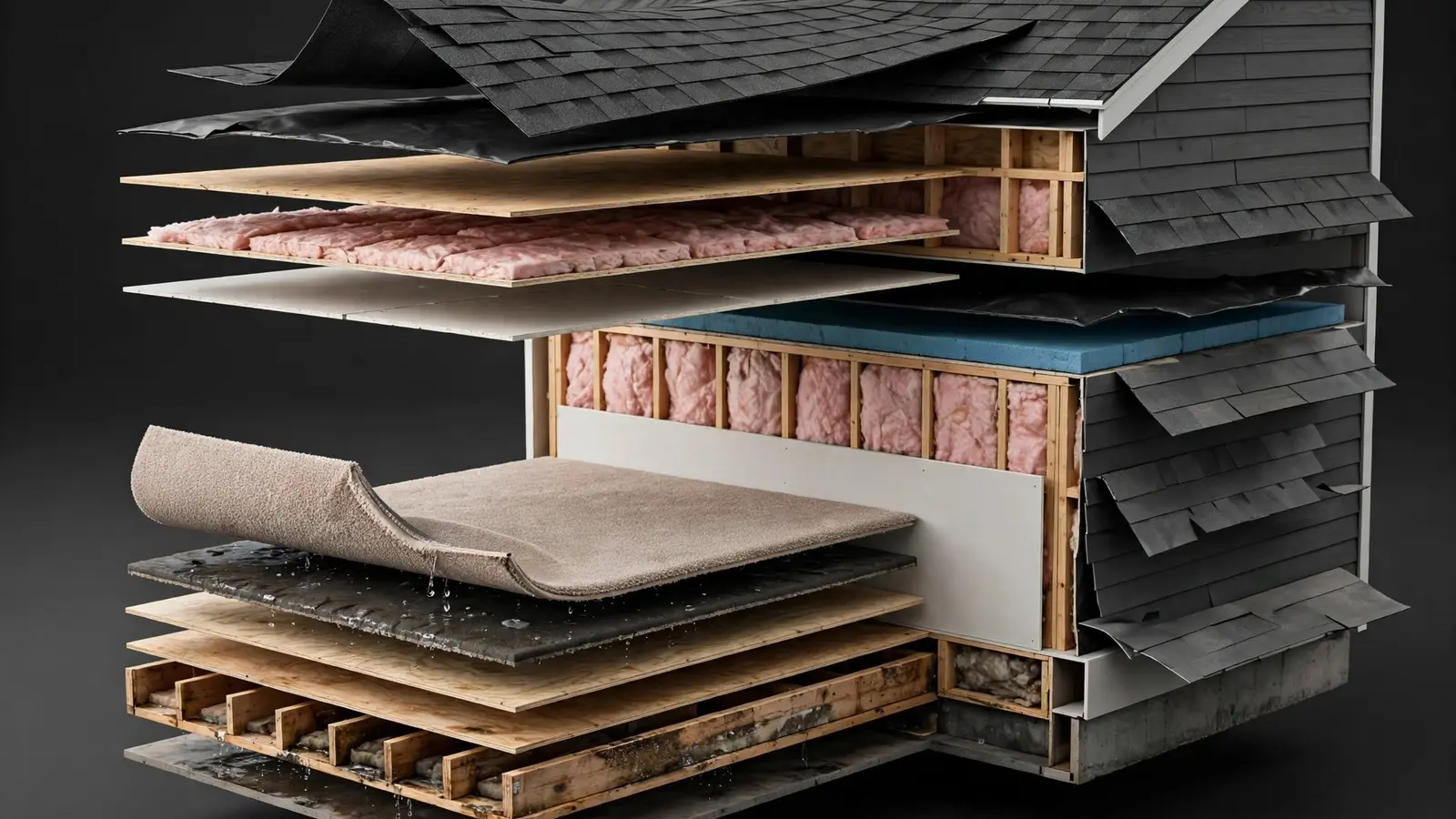
Carpet, pad and subfloor, layer by layer
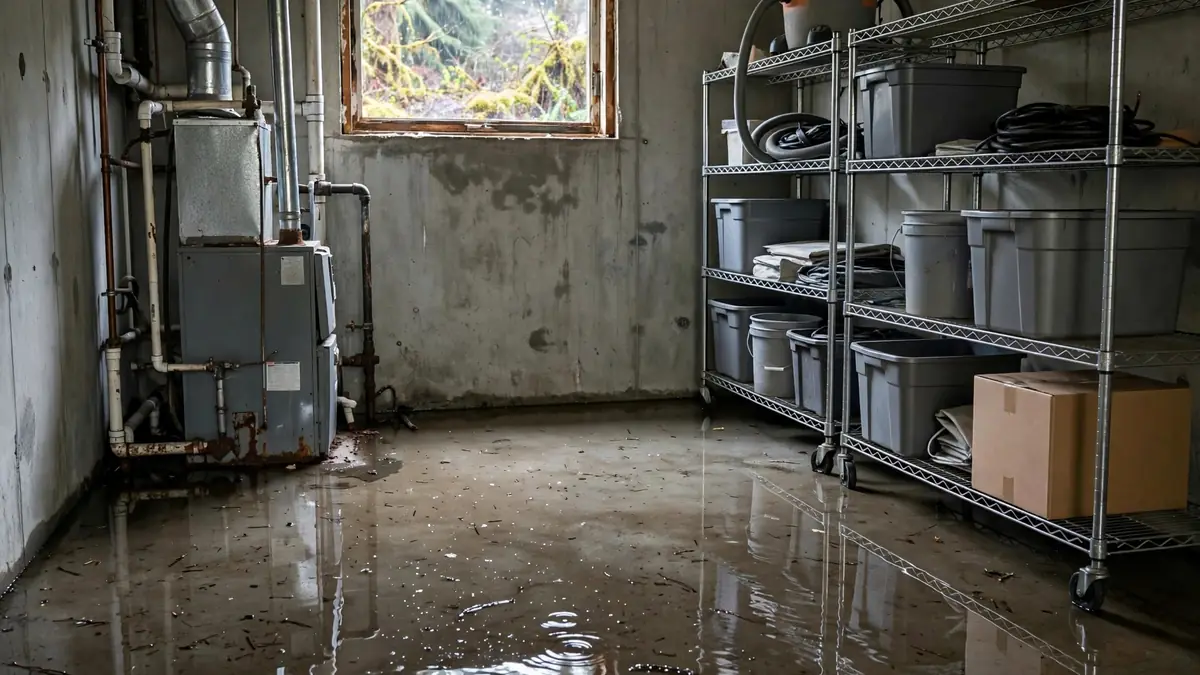
When carpet is not the only thing wet
Steps
Drying carpet in place
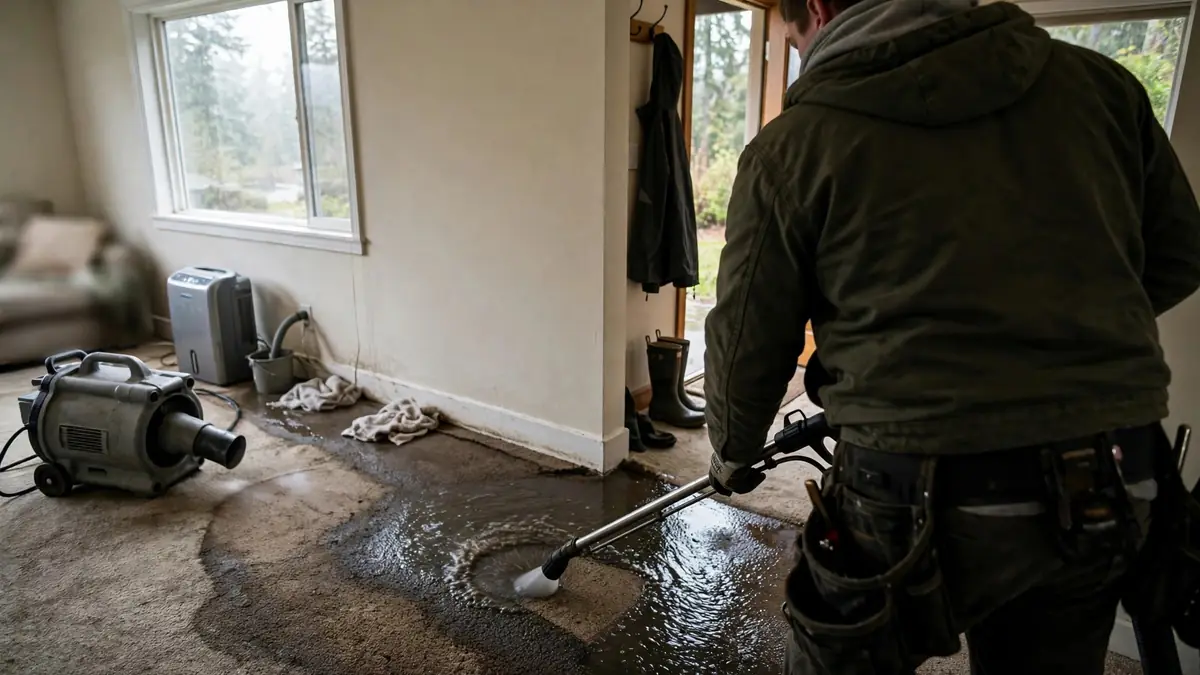
Extract water first, then lift the carpet so air can reach the subfloor, and run dehumidifiers. Check for delamination, where the backing separates, because that usually ends the attempt. See water extraction.
Answer first
The short answer on wet carpet
Carpet wet with clean water for a short time can often stay. Carpet soaked by sewage or floodwater generally should not. Between those two ends, the decision rests on four facts: what the water carried, how long the carpet has been wet, whether the pad and subfloor can be dried, and whether the backing is still holding together.
The carpet you can see is rarely the deciding factor. Face fibers are usually synthetic and shrug off water. The trouble sits underneath, in a foam or rebond pad that behaves like a sponge, and in the wood or concrete below it. A carpet can feel nearly dry on top while the pad below is still holding water against the subfloor.
EPA's guidance for clean-water events lists carpet and backing among the materials that can be handled by extracting water with a wet vacuum, then lowering humidity with a dehumidifier and speeding things along with fans. The same table says the subfloor under carpet has to be cleaned and dried too, and it treats 48 hours as a guideline. Mold can appear sooner than that, and sometimes does not appear after it, so the clock is a warning and not a guarantee.
Source
Reading the water source under your carpet
Trace where the water came from before deciding anything else. The source tells you more about the carpet's future than how it looks today.
| Where it came from | What it usually carries | Usual direction for carpet and pad |
|---|---|---|
| Supply line, faucet or water heater feed | Clean water when fresh | Carpet often stays if dried fast; pad judged on condition |
| Rain through a window or roof | Starts fairly clean, picks up dust and insulation on the way | Inspect the path it took; dirty ceiling water is treated more cautiously |
| Washing machine or dishwasher discharge | Detergent, food and soil | Carpet may stay after cleaning; pad is commonly removed |
| Toilet overflow without solids | Depends on bowl contents | Treat cautiously and ask for an assessment |
| Sewer backup, or toilet overflow with solids | Sewage and pathogens | Carpet and pad are generally removed |
| River, storm surge or groundwater flood | Sewage, chemicals, silt | Carpet and pad are generally removed |
Under the carpet
Why the pad usually goes first
Pad is built to hold air, which also makes it good at holding water. It sits in a dark layer with almost no airflow, pressed between a backing and a subfloor, so drying it where it lies is slow even with good equipment. Because it is simple to replace and a likely place for odor to develop, many contractors pull wet pad as a matter of routine, then float or dry the carpet itself.
There are exceptions. In a small, clean-water loss caught early, some contractors use a mat or panel system that pulls water through the carpet and pad under suction. Whether that fits depends on the type of pad and how far the water spread. Ask the contractor to explain why the pad is staying or going in your particular room, and ask to see a moisture reading of what remains.
If the pad does come out, new pad goes under the carpet before it is stretched back. That step is one of the reasons a carpet that was technically rescued can still need a fair amount of work to finish.
At home
Checking a wet carpet yourself
You can learn a lot in a few minutes if the room is safe. Skip this entirely if there is any chance of sewage, or if water is near outlets, cords or the electrical panel.
- 1
Find the edge of the water
Walk the room in socks or press a dry paper towel against the carpet to see how far the wet area reaches. It is often wider than it looks, especially along walls.
- 2
Lift a corner
Use pliers to pull the carpet off the tack strip in a corner. Look at the pad and subfloor. Note whether the pad is damp, dripping or discolored.
- 3
Check the backing
Fold a small section backward. A sound carpet stays together. If the backing is peeling off or feels like it is crumbling, the carpet may have delaminated.
- 4
Smell it
A musty or sour smell suggests the water has been there longer than you thought, or that the source was not clean.
- 5
Take photos before you change anything
Photograph the wet area, the pad and any furniture standing on it. Your insurer may ask for these later.
- 6
Write down when it started
Your best guess at the start time matters to anyone assessing the room, because time affects both condition and water category.
Warning signs
Delamination, shrinkage and other deal-breakers
Delamination means the carpet's two backings have separated. The adhesive between them has given way, the surface starts to ripple, and stretching it back into place often does not hold. Once this has happened across a large area, cleaning and drying alone will not bring the floor back.
Shrinkage is less final. Wet carpet can draw in as it dries, and it may pull off the tack strip or leave gaps along the wall. A carpet installer can sometimes stretch it back, but not every carpet has enough give, especially if it has already been stretched or seamed in the past.
Dye bleeding is another common stopper. Colored fibers, or dyes from nearby furniture and rugs, can migrate during a leak and leave stains that do not rinse out. Rust from metal furniture feet and tannin from wood can do the same. That is why lifting furniture out of the wet area, or sliding foil or plastic under its legs, helps early on.
Odor is the last test. If the room still smells after carpet, pad and subfloor all read dry and clean, something in the assembly is still holding contamination, and replacement starts to make more sense than another round of cleaning.
Materials
Types of carpet that behave differently
Not all floors react the same way, so it helps to know what you have.
- Wall-to-wall on foam or rebond padThe most common setup in homes and the most often dried after clean leaks. Pad is usually the first thing to come out.
- Glue-down carpetGlued directly to concrete or a floor, with no pad. Water can sit in the adhesive layer, and lifting it usually ruins it, so it is harder to rescue if water has gotten underneath.
- Carpet tileIndividual squares can be pulled and dried or replaced in sections, which makes partial repairs easier.
- Wool and natural fibersMore sensitive to heat, staining and browning than synthetics. Valuable pieces may deserve a specialist.
- Loose area rugsMove these off wet floors right away, since their dyes can transfer. A rug cleaner can treat them away from the home.
- Basement carpet on slabConcrete releases moisture slowly and often stays damp after the carpet has dried. Basement carpet with repeated wetting is a poor candidate for keeping.
Contaminated water
Sewage and floodwater change the answer
EPA's table of clean-up actions applies only to clean water and says so directly. If the water might hold sewage or other pollutants, the agency points to protective equipment, containment and an experienced professional, and it warns against running fans until the water has been shown to be clean or sanitary. Blowing air across a contaminated floor can spread what is in it.
Carpet has too many fibers and too much backing to be reliably cleaned once it has absorbed sewage. EPA's flooding guidance also advises limiting contact with floodwater because it can contain raw sewage or hazardous substances, so keep children and pets away from the room and wash your hands after any contact.
If a contractor offers to clean rather than remove carpet after a sewer backup, ask what standard they are following and why they believe the carpet is an exception. The water damage categories guide explains how water is sorted, and sewage backup cleanup covers that job specifically.
The process
What a carpet drying job looks like
A contractor's sequence varies, but most clean-water carpet jobs follow a similar path.
- 1
Stop the water and check electrical safety
Nothing else works until the source is off and the room is safe to enter.
- 2
Move or block furniture
Items are lifted, moved or set on blocks so their legs do not stain or trap wet carpet.
- 3
Extract repeatedly
Weighted or wand extraction removes far more water than a shop vacuum and shortens the drying that follows. Details are on the water extraction page.
- 4
Lift or remove the pad
The carpet is detached from the tack strip in the wet area and the pad is either removed or treated.
- 5
Dry the subfloor
Air movers run under and across the carpet while dehumidifiers pull moisture out of the air. Wood subfloors and concrete are checked with a meter.
- 6
Clean and sanitize as needed
Depending on the source, the carpet may need cleaning before it goes back down.
- 7
Reinstall and stretch
An installer resets the carpet over new pad and tack strip where needed, then the room is checked again.
Below the pad
Subfloor problems people miss
The subfloor decides whether the job truly finished. Plywood and OSB can swell at their edges, and OSB in particular can stay swollen after it dries, which leaves a ridge you may feel underfoot. Concrete does not swell, but it can hold moisture for a long time, and that moisture will wick back into new pad if the carpet goes down too early.
Tack strip deserves its own look. Those wooden strips along the walls absorb water, and their nails can rust. Rusted or contaminated strips are commonly replaced even when the carpet stays. Baseboards are another trouble spot. Water wicks up behind them, and walls can stay wet behind a floor that seems finished. The hidden moisture guide walks through how to check.
Older homes bring one extra concern. Some flooring and adhesive beneath old carpet may contain asbestos, and paint on baseboards from before 1978 may contain lead. EPA's flooding guidance flags both during demolition. Do not sand, scrape or tear out older layers until someone has looked at them.
Avoid
Mistakes that make carpet harder to keep
These are the habits most likely to turn a recoverable floor into a replacement.
- Leaving wet carpet in place for days and hoping it dries from the top down.
- Laying towels over the wet area and assuming the job is done, because towels only reach what is near the surface.
- Running a household vacuum on wet carpet. It is not built for water and creates a shock hazard.
- Setting heaters or high heat on the carpet, which can shrink fibers, damage backing and warm the room without removing moisture from it.
- Closing the room to contain the smell, since that traps humid air against every surface inside.
- Steam cleaning immediately, which adds more water before the first batch has gone.
- Reinstalling carpet because it feels dry, without a reading of the pad or subfloor underneath.
- Throwing out carpet before photographing it and keeping a small sample, when a claim is involved.
Do-it-yourself limits
Fans, wet vacuums and what you can do yourself
A small, clean, recent spill can be a do-it-yourself job. A rented or owned wet vacuum, a dehumidifier and a fan or two can dry a damp patch from an overflowing sink or a tipped bucket. EPA lists exactly those tools for carpet in a clean-water event. Empty the wet vacuum often, keep cords out of the water, and plug equipment into a dry, protected outlet.
The limits are about reach and time. If the water ran under a wall, reached a second room, or soaked through to the floor below, one fan is not going to dry the assembly within a useful window. Without a moisture meter you also have no way to tell when the pad and subfloor have actually finished, which is where most later smell comes from.
A useful rule of thumb: if the pad squishes when you step on it across more than a small area, the job has outgrown a fan. You can check how long drying takes for what to expect once equipment is running.
Coverage notes
Insurance and carpet, in general terms
Coverage depends on your policy and the cause of the loss, so read your own policy and ask your agent or insurer. As a general matter, Maryland's insurance regulator points out that a homeowners policy will not respond to water classed as flooding. Do not assume wet carpet is covered simply because the leak was sudden, and ask separately about sewer or drain backup if that was the source.
Keep records either way. Photograph the carpet before removal, keep a sample if the insurer wants to match material, and hold on to receipts. If the carpet has to come out for safety before an adjuster visits, photos and a sample can help explain why. More on this is in the insurance adjuster guide. Treat all of this as background, not insurance advice.
Done checks
Signs the carpet truly is finished drying
Before you put furniture back on it, the room should pass all of these.
- Moisture readings in the subfloor match a dry reference spot in an unaffected room.
- The pad is either new or has been read as dry, not simply felt by hand.
- Baseboards and lower wall areas read dry as well as the floor.
- There is no musty or sour odor when you kneel and smell the carpet at floor level.
- Seams are tight and the carpet lies flat with no rippling or loose edges.
- Room humidity has settled; a simple hygrometer should show the 30 to 50 percent range EPA prefers, and certainly under its 60 percent ceiling.
Tricky spots
Stairs, closets and other awkward carpet
Some carpeted areas behave differently from an open room, and they are the ones most often missed.
- StairsCarpet is wrapped and stapled over each tread, so water runs down and collects at the bottom. Lifting it usually means reinstalling it stair by stair.
- ClosetsStored items block airflow and hold damp carpet down. Empty the closet completely, or the floor inside will lag behind the rest of the room.
- Under built-insCarpet may run beneath a fixed bookcase or stop at its edge. Water can travel under the unit where no tool can reach without moving it.
- Doorways and seamsMetal transitions and seams can hide wet pad from the next room. Check both sides before assuming the water stopped at the door.
- Upper floorsA soaked upstairs carpet means the ceiling below deserves a check, even if no drip has shown yet.
Household concerns
Pets, children and a carpet that stays
Clean-water carpet that dries properly is generally no different afterward, but a few households should be pickier. If a baby crawls on the floor, if someone has asthma or a mold allergy, or if a pet spends its day lying on that carpet, the case for removing a doubtful pad gets stronger. CDC warns of severe reactions among those with asthma or mold allergies, so a floor that still smells musty is not worth keeping in that home.
Old pet accidents are another surprise. Water can reactivate old urine in the pad and subfloor, and a room that never smelled before may smell strongly once wet. If that happens, the odor is coming from below the carpet, and surface shampoo will not reach it. Removing the pad and cleaning or sealing the subfloor is the usual answer.
Questions
Short answers about wet carpet
Can I dry it with a fan?
A fan helps small areas, but the pad and subfloor usually need more.
Will it shrink?
It can, which is one reason cleaning and stretching may be needed.
How long can carpet stay wet before it is ruined?
There is no fixed cutoff. EPA treats 24 to 48 hours as the window for drying wet materials to help prevent mold, and CDC advises removing soaked carpet that cannot be dried right away. After that window, condition, odor and water source decide.
Can I keep the carpet and just replace the pad?
Yes, that is common after a clean-water leak, provided the backing is sound and the subfloor has been dried first.
Will baking soda or carpet powder fix the smell?
Powders may mask odor for a while, but they do not remove moisture from the pad or subfloor. Find out what is still wet first.
Do I have to replace the whole room?
Not always. Sometimes only part of the carpet is affected, though matching and seams can make a partial repair look obvious.
Is wet carpet dangerous to walk on?
It depends on the water. Clean water is mainly a slip and electrical concern, while sewage or floodwater is a health concern, so stay off it and keep others off too.