
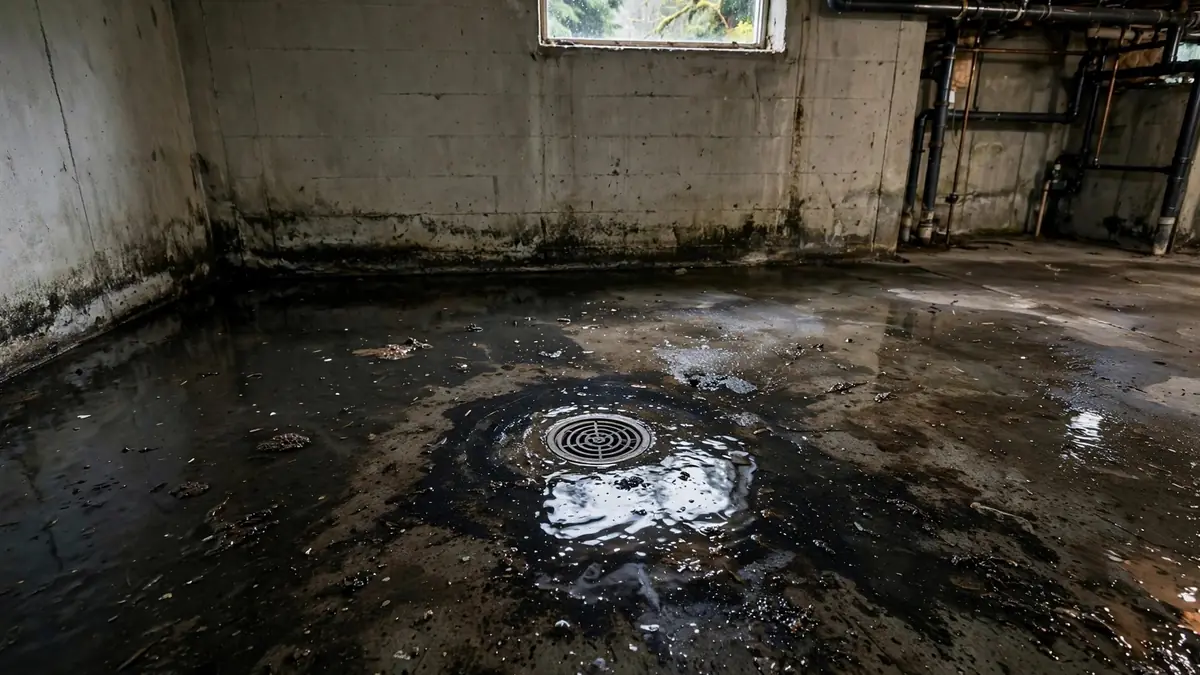
Key facts: Water Damage Categories Explained
The three categories at a glance
| Category | Typical source | What it usually means |
|---|---|---|
| 1, clean | Broken supply line | Often dried in place if handled quickly |
| 2, significantly contaminated | Washer or dishwasher overflow | Some porous materials may go, and cleaning is needed |
| 3, grossly unsanitary | Sewage, river or floodwater | Porous materials usually removed, with protective gear |
Guessing the category by eye is unreliable
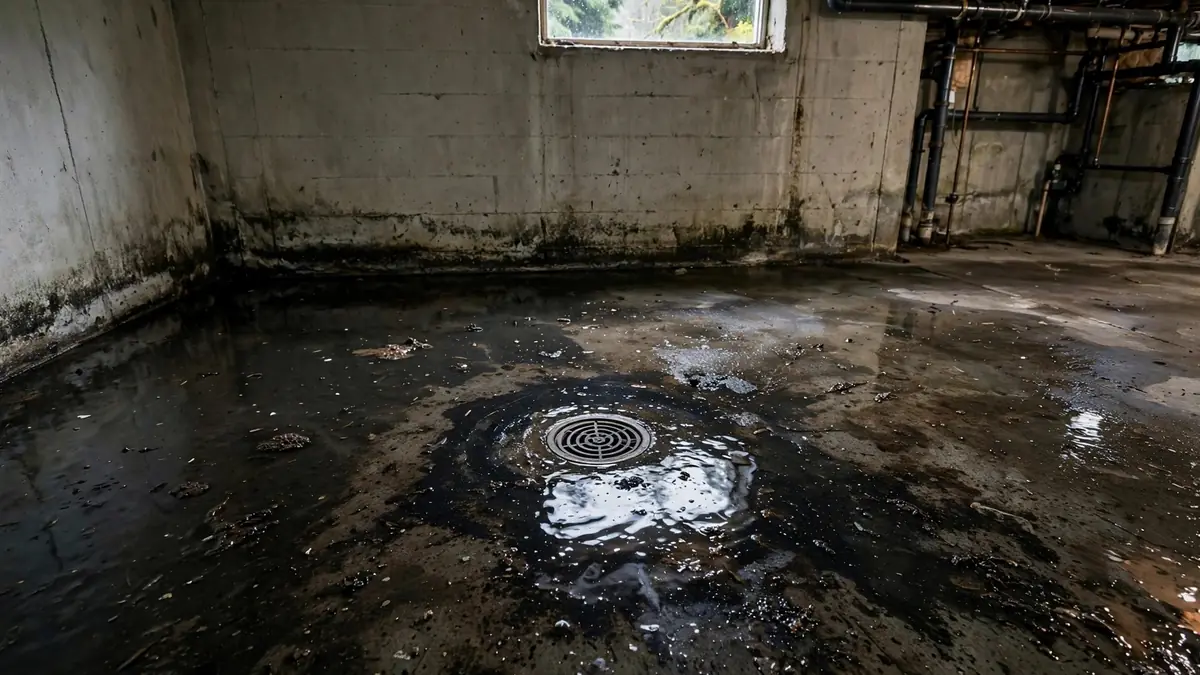
Getting worse
Clean water does not stay clean
Time, warmth and dirty materials can degrade water, so a leak left for days may no longer count as clean. That is another reason to act early. For the worst class, read sewage backup cleanup.
Answer first
What the categories mean, in one paragraph
Water categories describe how contaminated the water is, and so how risky it is to touch and how much of what it reached can be kept. Category 1 comes from a sanitary source, such as a broken supply line, and does not pose a substantial risk from skin contact, swallowing or breathing. Category 2 has significant contamination and could make people uncomfortable or sick. Category 3 is grossly contaminated and may carry pathogens or other harmful agents, as with sewage and most floodwater.
The terms come from the ANSI/IICRC S500 standard. It is a professional document, not a law, and the plain summaries you will find on restoration websites differ a little. You may also hear the older names clean, gray and black water. They roughly match Categories 1, 2 and 3.
Look at the source to judge the category, not the color. Clear water can carry bacteria. Rusty or cloudy water from a clean supply line may be less of a worry. A contractor will consider where it came from, how long it has been there, and what it has passed through.
Side by side
Sources, risks and typical handling
This table is a general guide. A contractor should assess your particular loss and may treat it more cautiously.
| Category 1 | Category 2 | Category 3 | |
|---|---|---|---|
| Typical sources | Broken supply line, tub or sink overflow with no contaminants, melting ice | Dishwasher or washer discharge, toilet overflow with urine, aquarium, some seepage | Sewage, toilet backflow from beyond the trap, rising river or storm surge, standing water with growth |
| Main concern | Mostly the water and time | Bacteria, chemicals, and residue | Pathogens, toxins, chemicals and silt |
| Porous materials | Often dried in place if quick | Judged case by case, often more removal | Generally removed |
| Fans | Normally used for drying | Used with more care after cleaning | Not until water is removed and area treated |
| Personal protection | Basic precautions | Gloves and protection during contact | Full protective gear and containment |
| People in the area | Usually fine if safe | Keep children and vulnerable people away | Keep everyone out |
Category 1
Inside Category 1: how clean is clean?
Category 1 water starts out from a sanitary source, like the supply line feeding a sink or the line to an ice maker. It does not have to be drinking water to fall into this group, but it should be free of anything that makes it a substantial health risk at the time it escapes. It may also include things like falling rainwater that has not picked up contaminants, depending on how it got in.
The category is a statement about the water when it arrives, and it may not last. Water passing through a ceiling collects dust, old insulation and whatever else is above it. Water sitting under a floor warms up, and it can begin to support microbes. A leak that started clean may no longer be clean when it is found a few days later.
For Category 1 losses, EPA's clean-water table gives a useful sense of how materials are handled. Wallboard without obvious swelling and with intact seams can be dried in place, and concrete can be extracted and dried. Ceiling tiles and fiberglass or cellulose insulation should be thrown out and replaced, even with clean water.
Category 2
Inside Category 2: contamination you may not see
Category 2 water is the middle ground, and the one people underestimate. It may look clear and smell only of soap, like discharge from a washing machine or dishwasher, but it carries soil, food residue, detergents or bacteria. A toilet overflow containing urine but no feces usually falls here, as may seepage through a wall that carries dirt with it.
The practical effect is more cleaning and less keeping. Pad is commonly removed, porous items need a closer look, and affected surfaces are cleaned before they are dried. Contact with skin and any cuts should be limited, and hands should be washed. Children, pets and people with weak immune systems should stay out of the area until it has been cleaned.
Category 2 is also the point at which delay does the most harm. It can degrade to Category 3 with time and warmth, so a washing machine leak found the same day and one discovered on return from a two-week trip are different jobs.
Category 3
Inside Category 3: why the rules tighten
Category 3 is the most serious group. It includes sewage, flood water from rivers and streams, wind-driven storm surge and any water that has had long enough to be seriously contaminated. EPA warns that flood water may contain raw sewage or hazardous substances, and advises limiting contact, washing hands often and keeping children away from it.
For this category, porous materials such as carpet, pad, soaked drywall, insulation and many soft furnishings are generally removed. EPA's table of clean-water steps does not apply here. For water possibly holding sewage or other pollutants, the agency refers to protective equipment and containment under OSHA rules, and to experienced professionals. It also says fans should not be used until water is confirmed clean or sanitary, because they can blow contamination around.
This is not a do-it-yourself job for most people. Anyone who must go near it should know the risks, wear protection and not eat or touch their face. The sewage backup cleanup page describes the work in detail, and flooded basement cleanup covers a common setting for it.
Degradation
How clean water gets worse
S500 recognizes that water can move from one category to another. Secondary summaries of the standard mention roughly 24 to 48 hours for clean water to worsen, but conditions drive this more than any exact deadline.
- TimeThe longer water sits, the more microbial growth it can support. Time alone can shift a clean loss into a worse category.
- TemperatureWarm spaces, especially in summer or near a heater, can speed that process up.
- What the water passed throughWater that ran through insulation, a wall cavity, soil or dusty attic space picks up what it touches.
- Mixing with a dirtier sourceClean water reaching a floor drain, sump pit or sewage line can pick up contamination.
- Old contaminationA building with past pest activity or mold may contaminate otherwise clean water that reaches those spots.
- Chemicals on siteStored fertilizer, cleaners, pesticides and fuel in a basement or garage can change what is in the water and the safety steps needed.
Practical checks
Telling categories apart at home
You can gather useful facts without touching the water. Report them to the contractor or insurer.
- Where did the water first appear, and which direction did it flow?
- Was it pressurized, draining, or rising up through a floor drain or toilet?
- Was it raining heavily, or are local waterways high?
- What does it smell like from a safe distance? A sewer smell is a strong warning, although no smell does not mean clean.
- Do you see solids, oil sheen, silt or debris?
- When did it start, as best you can tell, and how warm is the space?
- Has it reached anything stored on the floor, like chemicals, paint, or pesticides?
Category vs class
Class is a different scale
People often mix up category and class. Category answers the question 'how dirty is it?' Class answers 'how much water has to evaporate, and how hard will that be?' A small sewage backup can be high in category and small in class. A big supply-line leak can be clean water and a very large drying job at the same time.
S500 uses four classes, running from low absorption at Class 1 up to Class 4, where water is bound in dense materials like hardwood or plaster. Both labels may show up in the contractor's paperwork. The drying time guide explains how class affects the schedule.
Contents
What the category usually means for your belongings
These are general tendencies. Items of high sentimental value deserve a specialist's opinion before you decide.
| Material | Category 1 | Category 2 | Category 3 |
|---|---|---|---|
| Carpet | Often dried; see the carpet guide | Sometimes cleaned; pad often removed | Generally removed |
| Drywall | Often dried if firm | Depends on height, duration and cleaning | Generally cut out above the affected area |
| Insulation | Usually replaced | Usually replaced | Removed |
| Solid wood furniture | Often dried and cleaned | Cleaned and disinfected, if sound | Assess each piece; often not worth keeping |
| Upholstered furniture | May be dried, though EPA says it can be hard within 48 hours | Often specialist cleaning or discard | Generally discarded |
| Clothing and bedding | Launder as normal | Hot wash where the fabric allows | Ask a specialist; many items are discarded |
| Food, medicines and cosmetics | Check for contact with the water | Discard if touched | Discard if touched |
| Hard surfaces such as tile, metal, glass | Clean and dry | Clean and disinfect | Clean and disinfect by trained workers |
Practical impact
Why the category matters beyond safety
The category has knock-on effects on almost every decision. It influences which materials stay, how long work takes, what protective gear is worn, whether HVAC can run, and whether people can stay in the home. It also shapes what goes into the contractor's written scope.
Insurers often pay close attention to the source of the water, which is related but is not the same thing. A policy may treat a sudden pipe failure, a sewer backup and a river flood very differently. Maryland's regulator notes that homeowners coverage excludes flood. Check your own policy and ask your agent, because this is general information and not advice.
If a contractor labels your job a higher category than you expected, ask why, and ask to see the reasoning in writing. Honest contractors can explain it in terms of the source, the path of the water, and how long it sat. Don't accept a label as a mere formality, and don't argue it down either if there is an honest health reason for it. A label should follow from evidence.
Default to caution
Staying safe until the category is known
If you are unsure, treat the water as contaminated until someone qualified has assessed it.
- Stay out of standing water, especially near outlets, panels and appliances.
- Do not run the HVAC if there is any chance of sewage, since it can spread contaminants through the home.
- Do not use fans in the area until you are confident the water was clean.
- Wear waterproof boots and gloves for any brief necessary contact. Wash up with soap afterward, and keep cuts covered.
- Keep children, pets, and anyone who is pregnant, elderly or immune-compromised away.
- If a well or local water supply could be affected, ask the utility or county health office whether it is drinkable. EPA advises testing a flooded well before use.
- Do not use drains and toilets if sewage is coming up through them.
Questions
Common questions about Category 1, 2 and 3
Is rainwater through the roof Category 1?
It often begins fairly clean, but it can pick up dust, debris and roofing materials on the way down. A contractor will look at the path as well as the source.
Is a toilet overflow always Category 3?
Not always. A clean bowl overflow may be treated differently from a backup containing feces. When solids or sewer backup are involved, treat it as Category 3.
Can testing determine the category?
The source and history are usually the main evidence. Testing can add information in some cases, but ask what it is meant to answer and whether it changes the plan.
Who decides the category?
Normally the restoration contractor makes the assessment on site, using the standard as a reference. An insurer or independent professional may review that assessment.
Does a higher category always mean more work?
Generally, yes, because more cleaning and removal are required. Class also matters, since a small area of contaminated water can be less work than a large clean loss.
Grey areas
Sorting real-life water sources
Real leaks don't always fit neatly into a table. Here is how some common situations tend to get sorted, along with why they raise questions.
- Water heater leakUsually clean at the start, although sediment and rust from the tank can discolor it. The color alone doesn't make it a higher category.
- Fridge or ice maker lineClean when fresh. Check beneath the appliance, where food debris and old grime can mix with it.
- Air conditioner condensateOften thought of as clean, but it has passed over coils and through a drain pan. It may also have been sitting. A contractor will look at the conditions.
- Fire sprinkler dischargeThe water has been sitting in the pipes for a long time and can be dirty and smelly. Treat it with more caution than a kitchen supply line.
- Firefighting waterIt carries soot, ash and debris, so nobody should call it clean.
- Bathtub overflowClean tap water may be Category 1, but water with soap and body soil may be judged differently, particularly if it sat for long.
- Toilet tank leakTank water is supply water, and is different from what's in the bowl. Knowing which leaked is useful.
- Basement seepageGroundwater passes through soil, so this is rarely thought of as clean. Check for anything else that has been stored on the floor.
- Aquarium or waterbedOften contains bacteria, salts or additives, which can place it in Category 2.
Accountability
Questions a contractor should answer about your category
You don't need to be an expert. Asking these questions gets you an explanation you can check against what you know.
- 1
What is your category call, and why?
The explanation should mention the source, path and elapsed time.
- 2
Could it change?
Ask if the water was already getting worse, and if the plan accounts for that.
- 3
What does it change about the plan?
Listen for specifics: what comes out, what gets cleaned, what protection is needed, and whether anyone should stay away.
- 4
What protection will the crew use, and what about the household?
Ask about containment, air movement, and whether people or pets should leave.
- 5
How will you know the cleaning worked?
Ask how the affected surfaces will be cleaned, and how they'll be checked before anything is closed up.
- 6
Will it be in writing?
The category and the reasoning should be shown in your paperwork. That's useful for your file and for your insurer.
Common myths
Why color and smell can mislead you
Three myths come up again and again. The first is that dark water must be sewage. Rust, tannins from wood, dirt from insulation and old pipe sediment can all darken clean water. The second is that clear water must be safe. Bacteria and chemicals are invisible. The third is that no smell means no problem, when in fact many contaminants don't have an odor at first.
There's also a myth that bleach converts bad water into good water. Pouring bleach over a sewage-soaked carpet does not make it Category 1. Porous materials can hold contamination deep inside, and bleach creates fumes of its own. CDC warns against mixing it with ammonia or other cleaners because of poisonous gas. Bleach has its place on some hard surfaces, but it doesn't change the basic decision about whether materials can stay.
Finally, some people assume the category only matters to contractors and insurers. In practice, it matters most to those living in the house, since it tells you who should stay out, what you shouldn't touch, and whether cleaning up by yourself makes sense.
Vulnerable groups
People who should stay away
Some people should be much more careful around any water of uncertain cleanliness.
- Children, who should be kept out of cleanup and away from floodwater, as EPA and Ready.gov both advise.
- Anyone with asthma, chronic lung disease or reduced immunity, who can be more affected by mold and contaminated environments.
- Anyone with open cuts or wounds, which should be kept covered and away from floodwater. Report any infection or illness to a doctor.
- Pets, which walk through water and then lick their paws.
- Anyone who has trouble moving quickly or safely over wet, slippery floors.
- People with a health concern, who should speak to a health professional before helping with cleanup, as EPA suggests for mold work.
Regional events
Getting the category right in a flood or storm
When a storm affects a whole neighborhood, the same rules apply, though some extra factors come into play. River and storm-surge water can carry silt, fuel, farm chemicals and sewage from overflowing systems. Septic systems can be overwhelmed, and EPA advises not using a septic system until the water level in the soil absorption field has dropped below the level around the house.
In those events, treat everything the water touched as contaminated until you've been told otherwise. Listen to local authorities on safety and on boil-water notices. Silt left behind after the water recedes is not harmless dirt, so avoid sweeping it dry, and protect your hands and lungs.
Flooded basement cleanup is a common next read if the water came from outside. For something more local, your service area page can point you to area-specific information.
Service areas
Water Damage Categories Explained service areas
Each region's storms, sewers and soil can affect which categories of water turn up most. See Oregon, Connecticut, Delaware, Kansas, Louisiana, New Hampshire, Chicago, Dallas, Colorado Springs, Cedar Hill, Lake Stevens, Norcross, Port Charlotte, Prosper, Atlanta, Indianapolis.