

Key facts: Working With Your Insurance Adjuster
Before the visit
Your file before the adjuster's visit
- 1
Photos and video
Show each room, including serial numbers on appliances.
- 2
Inventory
List damaged items with approximate age.
- 3
Receipts
Keep them for temporary repairs and any hotel stay.
- 4
Drying logs
Ask your contractor for moisture readings.
Temporary protection comes before the inspection
Questions
Questions to put to the adjuster
Ask what is covered, what deadline applies, and whether you can get additional living expenses after a house fire. Take notes, including names and dates. Nothing here is legal or insurance advice, and your policy is what controls.
Answer first
How to approach the adjuster
Treat the adjuster's visit as a fact-finding meeting. Show them every bit of damage, hand over your records, ask what happens next, and take notes. You do not have to settle anything on the spot, and you can ask for anything important to be put in writing.
The adjuster's job is to look into the loss and work out how your policy applies. An adjuster employed or hired by your insurer is working for the insurer, even if they are helpful and fair. That is not a reason for suspicion, but it is a reason to keep your own records and read your own policy.
This guide is general information and not legal or insurance advice. Your policy, your state's rules and your own circumstances control what happens. If you need help, your state insurance department is a good starting place, and a licensed attorney can advise you on legal questions.
People
Who is who in a property claim
Several different people may contact you. It helps to ask anyone who calls which role they have and whom they represent.
| Role | Who they work for | What to know |
|---|---|---|
| Staff adjuster | Your insurance company | An employee who investigates and handles claims |
| Independent adjuster | Hired by the insurer | Not a staff employee, but still assigned by the insurer |
| Public adjuster | You, if you hire one | You pay them. NAIC says to contact your state insurance department with questions about using them |
| Insurance agent or broker | Sells or services your policy | Helpful for reporting and questions, but may not decide the claim |
| Restoration contractor | You, under your contract | Performs the work and can document it, but does not decide coverage |
| State insurance department | The public; regulates insurers | Takes complaints and answers consumer questions |
Timeline
From the first call to the adjuster's visit
A typical claim follows these steps, though the order and timing depend on your insurer and on your state.
- 1
Report the loss promptly
NAIC says to contact your agent or company as soon as you can. Have your policy number and basic facts ready, and stick to what you know.
- 2
Ask about the process
Ask for your claim number and adjuster's name and contact details, and when you can expect to hear from them. Ask whether there are forms or deadlines.
- 3
Protect the property
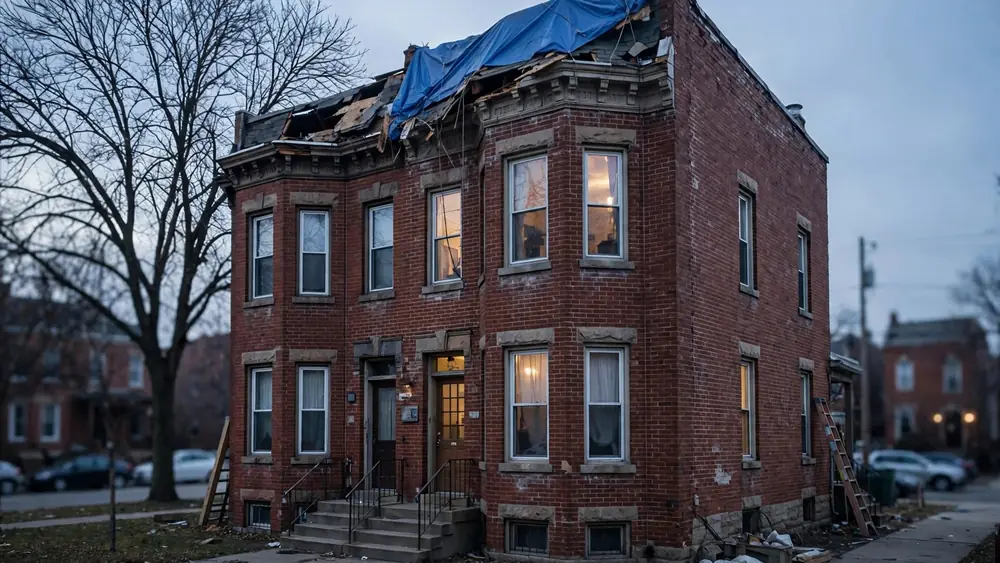
Florida's consumer guidance describes temporary repairs to prevent further damage as a policy requirement. New York's regulator gives removing water-soaked drywall or rugs and covering broken windows as examples of necessary work. Keep receipts.
- 4
Document before and during
Take photos and video before cleanup where you safely can. Keep the removed materials or samples if you are asked to.
- 5
Build your inventory
Go room by room. Texas and Oregon regulators both say not to throw out damaged items until your insurer says you can.
- 6
Prepare for the walkthrough
Gather your records, and make a simple list of the damage you need to point out. Texas suggests being there during the visit.
- 7
Follow up in writing
Afterward, send a short email confirming what was discussed. Note any request for further information.
Records
A good file has these things in it
Keep everything together, with both a paper and a digital copy if you can.
- The policyThe declarations page and the full policy, including any endorsements. If you can't find it, ask for a copy.
- Claim logA dated list of every contact, including the person's name and title and what they said. Louisiana's regulator recommends this.
- Photos and videosSaved with dates and by room. Back them up to a phone or cloud account.
- Temporary repair receiptsMaterials, labor and equipment for emergency work.
- Living expense receiptsHotels, meals beyond your normal food spend, laundry, and travel, kept separate from everything else.
- Contractor documentsContracts, written scopes, moisture readings, equipment logs and invoices.
- InventoryItem, room, approximate age and where you got it, with any receipts or photos.
- Source evidenceThe failed part, the plumber's note or the fire report, if available.
Contents
Making an inventory that helps you
Inventories are tiring, so go at a steady pace. Walk through each room, starting at the door and going clockwise. List what you can see in a closet, a drawer or a shelf, and then make a note of what you remember. If items are gone or unsafe to reach, old photos, videos, shopping accounts and credit card records can jog your memory.
Include a description, brand or model where you know it, how old it is, and any receipts or photos. Take pictures of serial numbers on appliances and electronics. Ask your insurer what format it prefers, as some have forms of their own. Don't exaggerate or guess wildly, because accuracy helps your credibility.
Keep damaged items until you've been told otherwise. If something must go for health reasons, such as spoiled food or sewage-soaked carpet, photograph it first, note what it was, and ask your adjuster how they want it handled. New York's regulator also notes repairs should be limited to what is necessary to protect health or safety before the insurer inspects.
On the day
Walking the adjuster through the damage
Use this as a checklist for the visit. Having someone with you can make it less stressful, and they can take notes.
- Start at the source, and explain what you know about when and how it happened.
- Show every affected room, not only the worst one. Include closets, the basement and the attic.
- Point out damage that's easy to miss, such as swollen trim, stained ceilings, wet insulation and soft flooring.
- Provide moisture readings or a contractor's notes if you have them.
- Keep to facts. If you don't know something, say so, and offer to find out.
- Ask how the claim will be handled, when you'll hear next and what else they need from you.
- Write down what was said, including the adjuster's name, the date and any follow-up.
- Ask how you'll receive the written report or scope, and whether it will be sent to you.
Plain English
Terms that often confuse people
These are general meanings. The definitions in your own policy are the ones that apply, so check them.
| Term | What it generally means |
|---|---|
| Deductible | The share of a covered loss you bear before insurance pays |
| Dwelling coverage | Coverage for the structure itself |
| Personal property | Coverage for your belongings |
| Additional living expenses | Extra spending on living elsewhere after a covered loss makes the home unlivable |
| Actual cash value | A way of valuing property that takes wear and age into account |
| Replacement value | A way of valuing property based on replacing it; may have conditions, so read your policy |
| Endorsement or rider | An addition that changes your policy, such as water backup coverage |
| Exclusion | Something the policy says it does not cover |
| Scope of loss | The written description of damage and the work involved |
| Mitigation | Steps taken to keep damage from getting worse |
Water
Water claims: where the source decides things
With water damage, the cause can matter as much as the damage. A sudden burst pipe, a slow leak, a sewer backup, surface water and a river flood are all treated differently by many policies. Maryland's regulator says plainly that homeowners policies do not pay for flood. Separate flood coverage exists, and federal flood policies, per FEMA, typically begin 30 days after they are bought.
This is why a plumber's written cause, photos and any failed part are worth keeping. If a claim turns on whether a leak was sudden or long-running, these records can be important. Ask what your policy says about seepage, mold, water backup and surface water, and ask about any limits that may apply.
Your contractor's moisture readings and photos show the extent of the water and the work needed, and the drying guide explains how to read them. A contractor's opinion on what is covered is just an opinion, though, because only your insurer can make a coverage decision.
Fire
Fire claims: the same basics, more moving parts
Fire claims usually involve the structure, contents, smoke damage and temporary housing all at once. New York's regulator explains that policies generally cover additional living expenses after an insured disaster, that you must submit receipts, and that the company is not required to advance you funds, although many do. If you need help right away, ask about an advance.
Ready.gov reminds people to save receipts for fire-related expenses, and to notify their mortgage company. Lenders may be named on payments, so ask how funds will be released and whether you need to take any steps with your lender. Keep records of fire department contacts and the fire report.
Be careful about the smoke-damaged parts of the house. Odor is a real part of many fire losses, and rooms well away from the fire can be affected. Show those rooms during the walkthrough, and if you notice odor later, report it. The first 24 hours guide and why smoke smell lingers can help you see what to look out for.
Paperwork
Careful what you sign
NAIC and state regulators warn people to read carefully after a storm or other loss. Pay close attention to these.
- Assignment of benefitsThis can transfer some of your rights or benefits under the policy to another party. Read it carefully and ask your state regulator if you do not understand it. Rules vary, and Florida publishes specific guidance.
- Contingency agreementsThese may tie you to a contractor if the claim is approved. Read them before signing during an inspection.
- Blanket authorizationsKnow what you are allowing someone to do, and for how long.
- Final releasesCheck whether signing could end your right to raise further issues, and get advice if you're unsure.
- Public adjuster contractsYou will pay them, so read how, and when. Ask your state insurance department about licensing.
- Anything with blanksDo not sign incomplete documents. Keep a copy of everything you sign.
Disputes
If you disagree with the decision
Disagreements happen, and most can be worked through with facts. Stay calm and keep to the record.
- 1
Get it in writing
Ask for the decision, and the policy language it relies on, to be stated in writing.
- 2
Compare scope with reality
Go through the scope line by line against your photos, readings and contractor's notes. Note anything missing.
- 3
Send what you have
Offer any new evidence. A short letter with attachments is usually better than a long phone call.
- 4
Ask for a re-inspection or a supervisor
Ask whether the adjuster can return, or whether a manager can review the file.
- 5
Check your policy
Many policies describe how disputes are handled, such as appraisal. Look for deadlines.
- 6
File a complaint if needed
NAIC says you can file with your state department of insurance. Texas and other states offer online forms.
- 7
Get professional help
An attorney can advise you on your legal options, and a licensed public adjuster may be an option. Weigh this carefully.
Avoid
Mistakes that weaken a claim
These are common and most can be avoided, even in a stressful week.
- Waiting to report the loss because you're unsure whether it's covered.
- Doing permanent repairs before inspection. NAIC warns that this may lead to a denial.
- Failing to protect the home, since damage after the loss may be disputed.
- Throwing out damaged items before they've been recorded.
- Trusting verbal promises from anyone about what will be paid.
- Guessing about the cause, or the date that a leak began, when you don't know.
- Paying for work without a written scope and an invoice.
- Losing track of deadlines in your policy or in letters from your insurer.
Questions
What people ask about adjusters
Do I have to accept what the adjuster says?
No. You can ask questions, send more information and raise a disagreement. Check your policy for the process and timelines, and contact your state insurance department if you need help.
Can my contractor speak to the adjuster?
Often, yes, and it may help them discuss the scope of work. Be careful about any document that gives someone authority over your claim, and read it first.
Can I start drying before the adjuster comes?
Generally you should act to prevent further damage, and that often includes drying. Tell your insurer what is being done, keep records and avoid permanent repairs until they've inspected or said otherwise.
What if the adjuster misses something?
Tell them as soon as you notice, in writing, with photos. Hidden damage often shows up later, so ask how they'd like you to report anything new.
Do I need a public adjuster?
Not necessarily. Some people find one helpful on a complex loss, but you pay for the service. Ask how they get paid and check with your state insurance department.
Will a claim raise my premium?
It might, depending on your insurer, state rules and claim history. Ask your agent, as rules vary.
Your policy
Reading your policy without a law degree
Policies are long, but you only need a few parts for most claims. Spend half an hour with a highlighter.
- 1
Start with the declarations page
It shows your coverage amounts, your deductibles, the policy period and any listed endorsements.
- 2
Find 'perils insured' or 'covered causes of loss'
This tells you what kinds of events are covered. Look for water, sewer backup, and fire.
- 3
Find the exclusions
These may include flood, gradual seepage, wear and mold. Check for any wording that adds these back, sometimes with limits.
- 4
Read 'your duties after loss'
This section usually lists what you must do: give prompt notice, protect the property, keep records, show the damage and provide documents.
- 5
Check 'loss settlement'
It explains how property is valued and when any held-back amount may be paid.
- 6
Look for time limits
Deadlines for proof of loss and for lawsuits may be listed, and they vary by state. Ask for clarification in writing.
- 7
Check additional coverages
Living expenses, debris removal, and temporary repairs may be covered, with conditions.
Communication
Writing to your insurer
Phone calls are fine for quick questions, but follow up anything important in writing. A short email can make a real difference when memories differ. State the claim number, what was discussed, what you understand will happen next, and by when. Keep it factual and polite, and avoid speculation about cause or fault.
Here's a simple format: 'Claim number. Thank you for speaking with me today about the water damage at my home. You said you need the plumber's invoice and the moisture log, and that the adjuster will visit next week. I've attached the invoice and will send the log when I have it. Please let me know if I have misunderstood anything.' That's all it takes.
Keep every letter, email and voicemail. If something gets sent by mail, keep the envelope, as postmarks can matter. If a deadline is tight, ask for an extension in writing before it passes, and ask for the reply in writing as well.
Other parties
If a neighbor's leak or someone else caused it
Things change when another person, or the building, may be responsible.
- Report to your own insurer anywayYou usually don't need to wait to find out who was at fault. Your insurer can tell you how it handles these situations.
- Tell the other party in writingGive the date, what happened, and your claim number if you have one. Stay factual.
- Don't sign a release too soonBe careful about accepting a payment or signing a release before the damage is fully known.
- Keep evidencePhotos of the source, plumber's notes and the failed part can help any later discussion between insurers.
- In shared buildings, read your documentsCondo and association policies often split responsibilities, and rental agreements may set out duties.
Three-way
Contractors and adjusters in the same room
Having your contractor present during the inspection can be useful. They can point out readings, explain why a wall had to be opened and answer technical questions. Ask them to stick to facts about the damage and the work, and leave coverage questions to the insurer. Only your insurer can say what your policy pays for.
Differences between the contractor's scope and the adjuster's scope are normal. One may have seen hidden damage the other hasn't, and they may use different assumptions. Ask both to explain line items in plain language, then compare them against your photos and readings. If the job changes once walls are open, take photos and tell your adjuster before going on, because additional work usually needs to be raised with them.
Don't let anyone pressure you to agree to anything during a visit. It's fine to say, 'Please send me that in writing, and I'll get back to you.' You're also not obliged to use any specific contractor unless your policy says otherwise. Ask your insurer directly if you have any doubts.
Using your file
When each record matters most
Your records serve different purposes at different stages of a claim.
| Stage | Most useful records | What they do |
|---|---|---|
| First report | Date, cause if known, photos | Gives the insurer the facts and starts the file |
| Emergency work | Receipts, contractor's scope, moisture readings | Shows what you did to stop further damage |
| Inspection | Inventory, walkthrough list, plumber's cause note | Makes sure nothing is missed |
| Scope review | Your photos, drying log, contractor's line items | Supports any requests for changes |
| Rebuild | Invoices, change notes and permits | Shows what was completed |
| Closing the claim | Final letters and payment records | Gives you a clean record for the future |
Service areas
Working With Your Insurance Adjuster service areas
State rules on claims differ, and so do the common local perils. See Oregon, Connecticut, Delaware, Kansas, Louisiana, New Hampshire, Chicago, Dallas, Colorado Springs, Cedar Hill, Lake Stevens, Norcross, Port Charlotte, Prosper, Atlanta, Indianapolis.
Sources and citations
- [1]Ready.gov: Floods
- [2]Ready.gov: Home fires
- [3]NAIC: Navigating the claims process, recover and rebuild
- [4]NAIC: Read the fine print to avoid signing away your insurance benefits
- [5]NAIC: How to file a complaint
- [6]NAIC: A consumer's guide to home insurance
- [7]New York DFS: Managing and mitigating losses
- [8]Florida CFO: General disaster insurance FAQs
- [9]Florida CFO: Assignment of benefits
- [10]Texas Department of Insurance: Help after a storm
- [11]Texas Department of Insurance: Get help with an insurance complaint
- [12]Oregon Division of Financial Regulation: Wildfires and storm damage
- [13]Louisiana Department of Insurance: Post-disaster insurance guide
- [14]Maryland Insurance Administration: Virtual disaster center materials
- [15]FEMA: Waiting period for activating a flood policy