Key facts: Kansas
Local risks
What drives damage in Kansas
The 1951 Kansas River flood devastated Armourdale and Argentine in Kansas City and hit North Topeka hard. Wichita built its Big Ditch flood control project after the floods of 1944 and 1951.
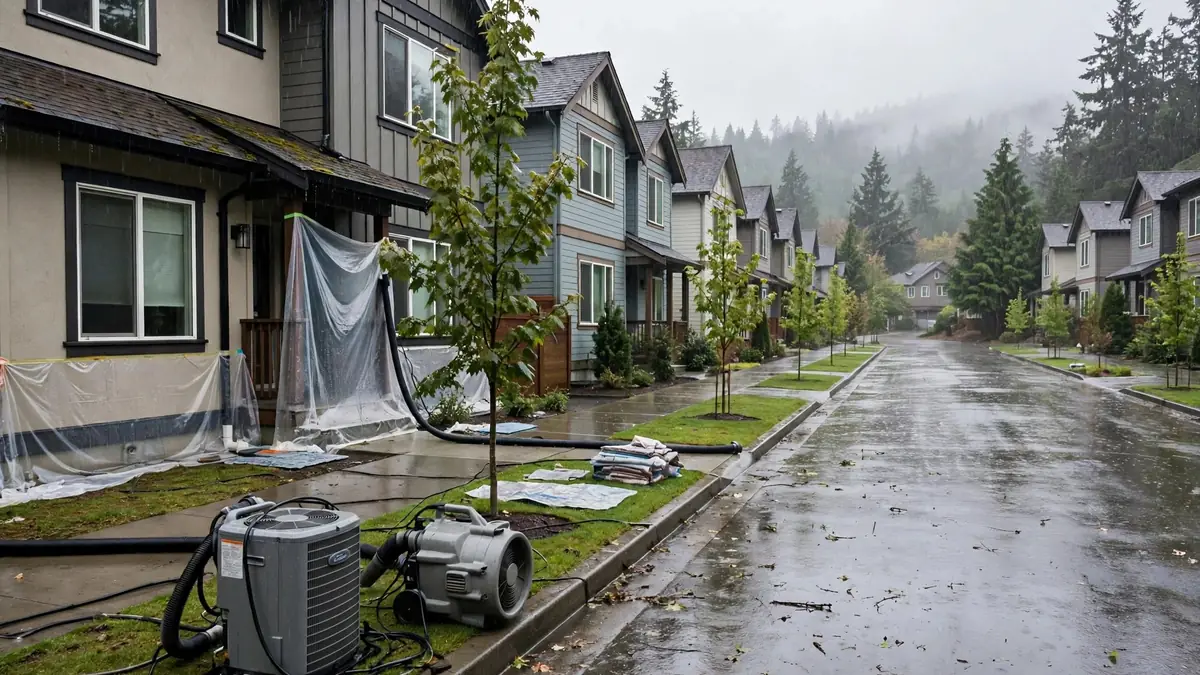
Indian Creek and Tomahawk Creek are known for flash flooding around Overland Park.
Housing
Homes and buildings here
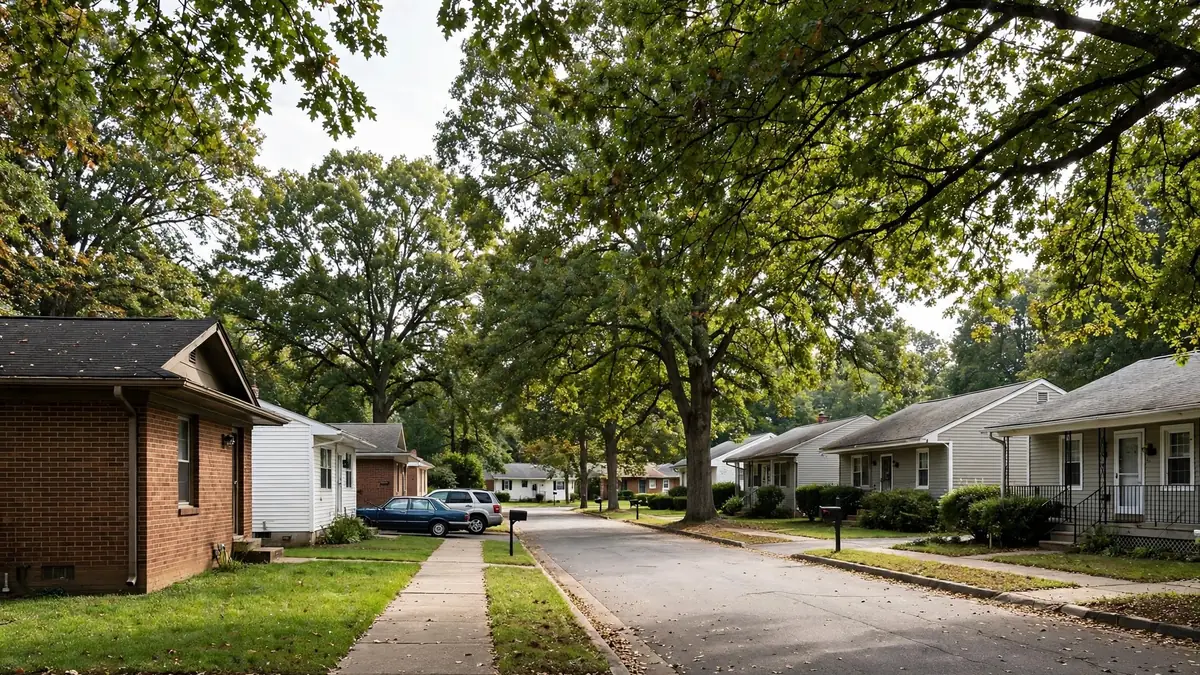
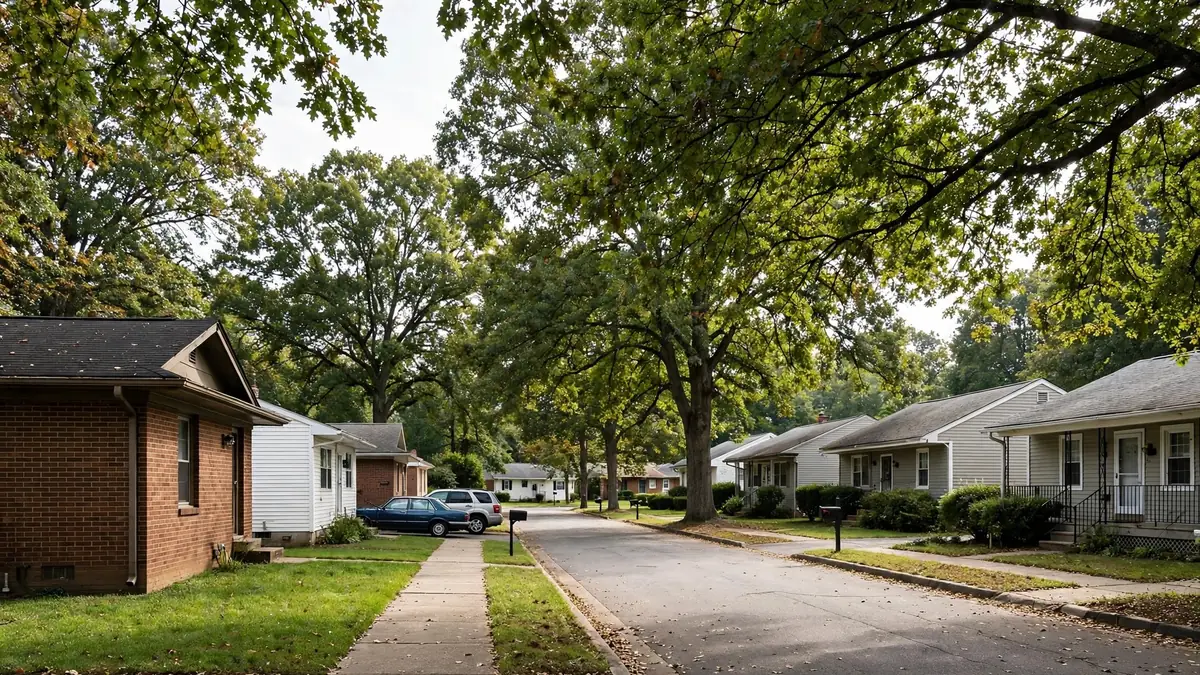
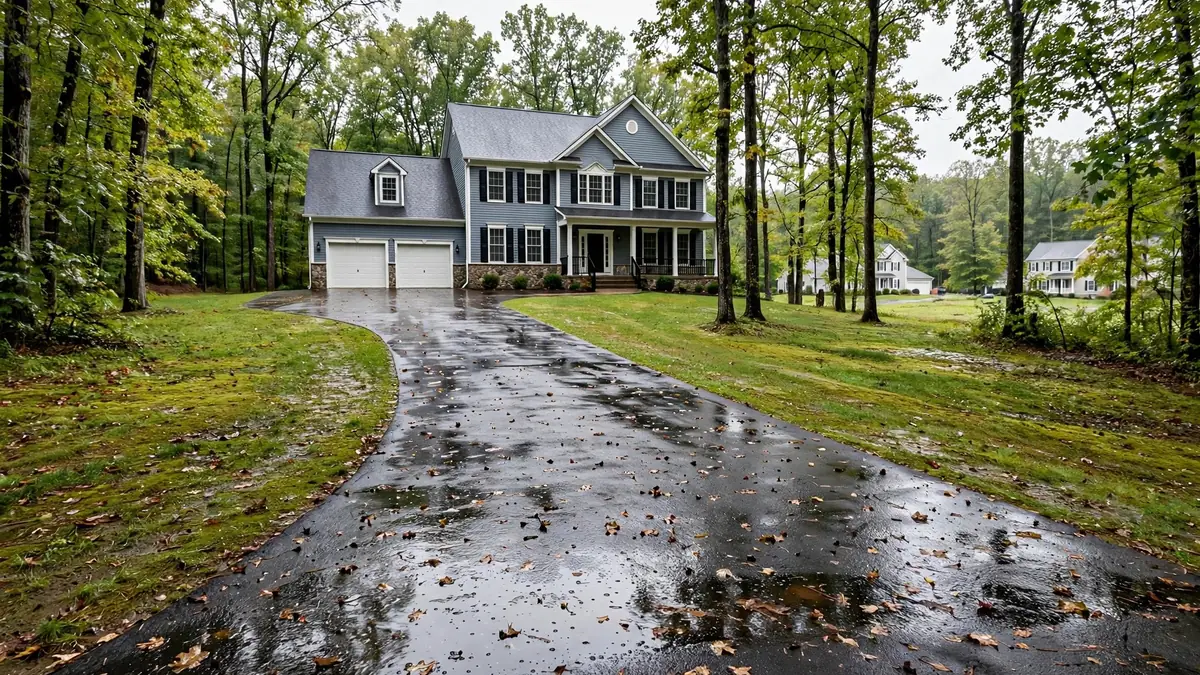
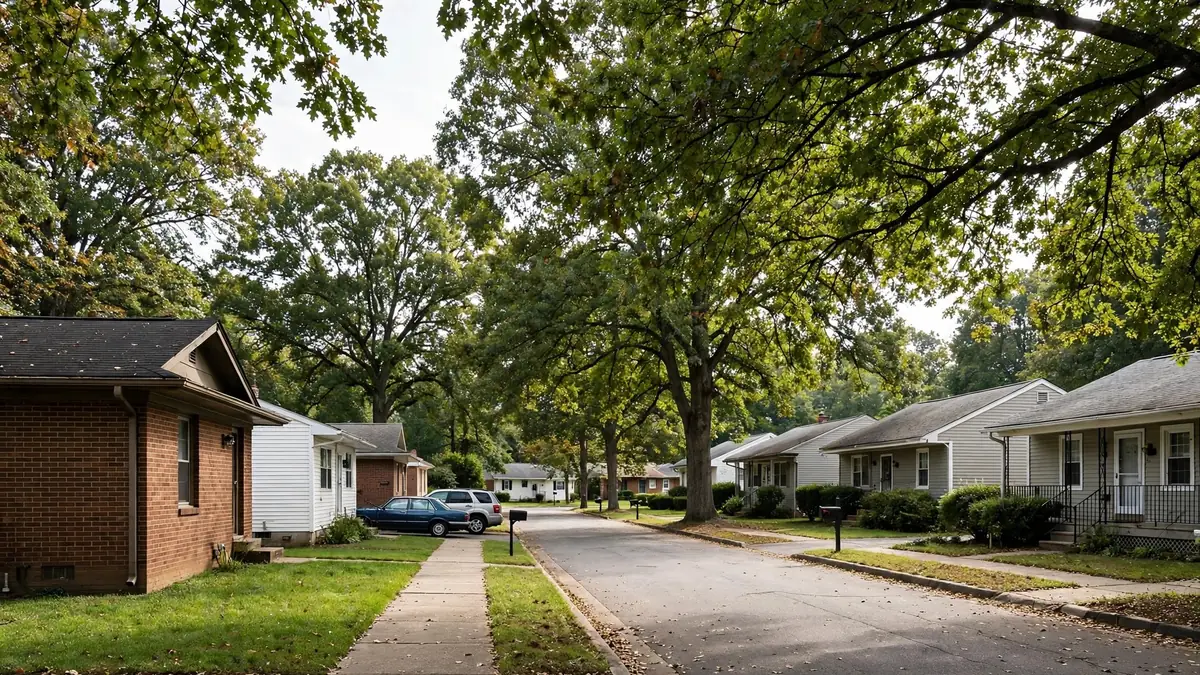
Wichita has many post-war ranch homes with full basements. Topeka and Lawrence have older houses with stone or block foundations, and Overland Park and Shawnee have many finished lower levels.
Common damage
Where to go next
Services people ask about
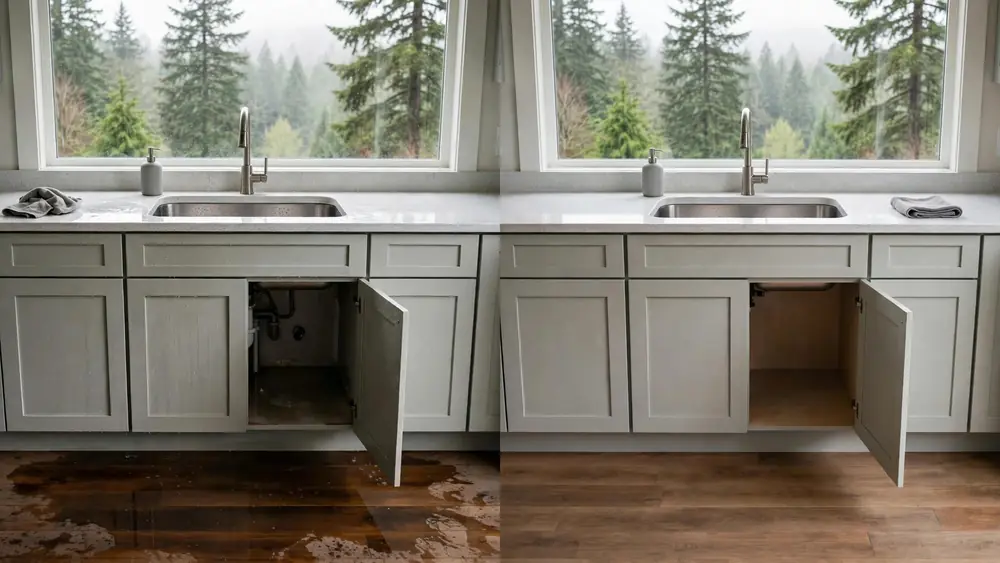
Start with water damage restoration, flooded basement cleanup or burst pipe water damage. Check your sump pump before storm season.
Service areas
Restoration service areas in Kansas
Cities and neighborhoods: Kansas City, KS, Lawrence, Overland Park, Shawnee, Topeka, Wichita.
What matters
In Kansas, basements decide how bad a storm gets
Many Kansas water losses land in a lower level: a sump that lost power, a window well filled by a storm, or a line that froze. The exceptions are the river-bottom districts, where the 1951 flood has shaped the city map ever since, and creek corridors in Johnson County, where flash flooding arrives fast.
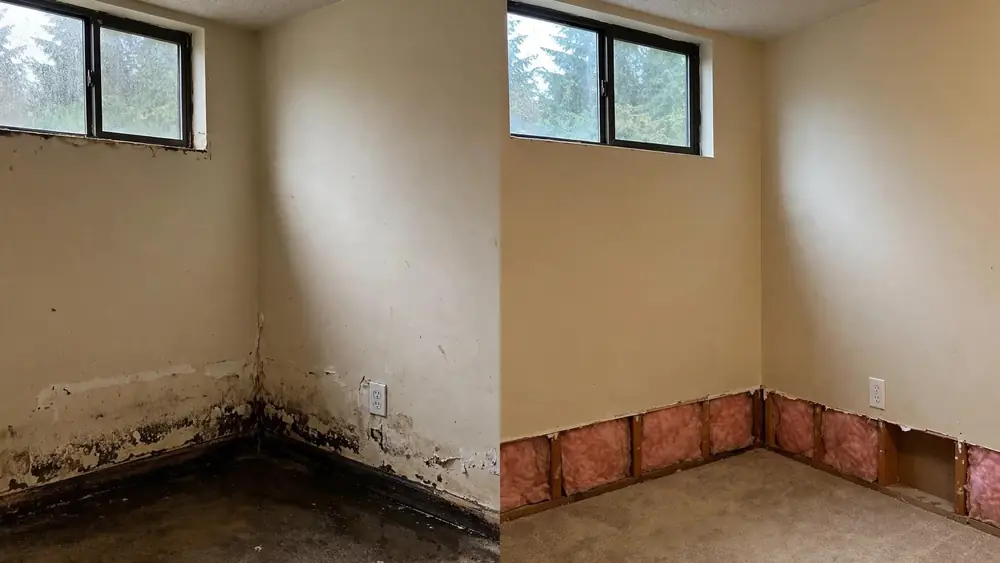
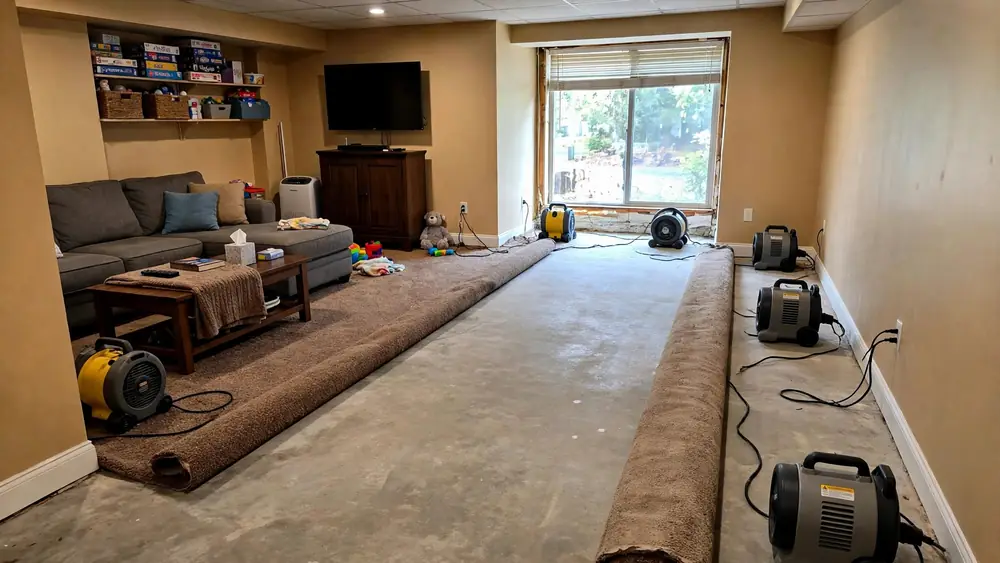
Because so many basements are finished, a few inches of water reach flooring, wall bottoms and whatever was stored low. That is why speed matters more here than in a slab-built region.
River history
1951 and the changes it left behind
After weeks of rain in July 1951, the Kansas River overtopped levees protecting Argentine and Armourdale in Kansas City, Kansas, and it hit Topeka and Lawrence too. Levees and upstream reservoirs built afterward greatly reduced that risk, although protected is not the same as risk-free, and FEMA still maps some lots inside flood zones.
Wichita's story runs parallel. Repeated floods hit the city from 1877 to 1955, with water arriving three times within eleven days during 1944. The Wichita–Valley Center Floodway, called the Big Ditch locally, was finished in 1958 and carries some Arkansas River water around the west-central city, roughly alongside the I-235 bypass.
Storm hazards
Kansas weather that sends water indoors
Each of these hazards leads to a different kind of call.
- Spring and summer thunderstormsDownpours overwhelm drainage on flat ground. Indian Creek and Tomahawk Creek around Overland Park are known for flash flooding; the National Weather Service warns that a little moving water can carry away a car.
- Tornado and hail damageTopeka’s June 8, 1966 tornado crossed the city through the Washburn University area. A storm that opens a roof turns rain into interior water, so tarping and board-up comes before anything else.
- Arctic outbreaksHard freezes reach the whole state, and pipes in garage walls or above crawlspaces are at risk.
- Power lossA sump pump only works with electricity, or a battery backup that has been tested.
Cities
How water damage differs across Kansas cities
Pick your city for local detail. Confirm the permit office for your exact address.
| City | Permit office to ask | Typical situation |
|---|---|---|
| [Kansas City](/areas/kansas/kansas-city/) | Unified Government of Wyandotte County | Older houses, likely lead paint, levee districts along the river |
| [Overland Park](/areas/kansas/overland-park/) | The city’s building office | Finished lower levels, sump pumps, creek flash flooding |
| [Shawnee](/areas/kansas/shawnee/) | The city’s building office | Walkouts and window wells taking storm runoff; PEX fittings |
| [Lawrence](/areas/kansas/lawrence/) | The city’s building office | Old West Lawrence stone and block, plus newer poured basements |
| [Topeka](/areas/kansas/topeka/) | The city’s building office | Stone or block foundations; creeks and low areas in intense rain |
| [Wichita](/areas/kansas/wichita/) | Metropolitan Area Building and Construction Department | Post-war ranch homes with full basements |
Plumbing age
The pipes behind your Kansas walls
Age gives you a useful clue. Houses plumbed or remodeled from about 1978 to 1995 may have polybutylene supply line, a gray plastic with a history of failures. Newer Johnson County homes commonly use PEX, where a failed fitting is the thing to look for. Tell the contractor what you can see at the water heater or under a sink.
Mention any asbestos worries before tearing anything out, particularly around old pipe wrap, floor tile and textured ceilings, and ask for lead-safe practices in pre-1978 homes.
Do this first
A Kansas basement flood, step by step
Do these before you start carrying things upstairs.
- 1
Look for the water line and the panel
If water may reach outlets or the panel is in the flooded room, stay out until power is off.
- 2
Find the source
Sump pit, floor drain, window well, or a pipe. If the floor drain is backing up, assume sewage.
- 3
Get the pump running again if it is safe
A tripped circuit or a stuck float is a simple fix; do not stand in water to check it.
- 4
Pull rugs and save documents
Wet carpet pad holds water against the floor. Can wet carpet be saved? covers what to expect.
- 5
Report and record
Photograph everything, then call your insurer and (833) 610-0241. The contractor you reach is independent and sets their own schedule.
Insurance and real estate
Kansas claims and selling a home after water
Rising water from a river or creek generally requires a flood policy, available through FEMA's National Flood Insurance Program or a private company. Backup from sewers or a failed sump is commonly an optional endorsement on a homeowners policy. Check for it, since finished lower levels raise the stakes in Johnson County.
Past water damage often comes up when a Johnson County home is sold. Keep the drying records, moisture readings and photographs in a folder, as they show the job was finished. A radon test after major basement work is also reasonable; the Kansas Radon Program has information about it.
Kansas questions
Kansas homeowners ask about water and storms
Is the Big Ditch a guarantee for Wichita?
No. It reduces river flooding, but intense local rain can still overload street drainage, and a flood map may still show your lot at risk.
Can a finished basement be saved?
Often parts of it can. Clean-water losses caught early do better than sewage or floodwater. The contractor will test the walls and flooring and explain what needs to go.
Who handles levee questions?
Levee questions go to local government, not a restoration contractor. For house-level issues, the contractor is the right call.
Sources and citations
- [1]U.S. EPA: A brief guide to mold, moisture and your home
- [2]Wikipedia: Great Flood of 1951
- [3]Ready.gov: Floods
- [4]Wikipedia: Climate of Kansas
- [5]Wikipedia: 1966 Topeka tornado
- [6]Wikipedia: Wichita, Kansas
- [7]Wikipedia: Kansas River
- [8]Wikipedia: Sump pump
- [9]Wikipedia: Polybutylene
- [10]FEMA: Flood insurance
- [11]National Weather Service: Turn Around Don’t Drown
- [12]Kansas Radon Program