
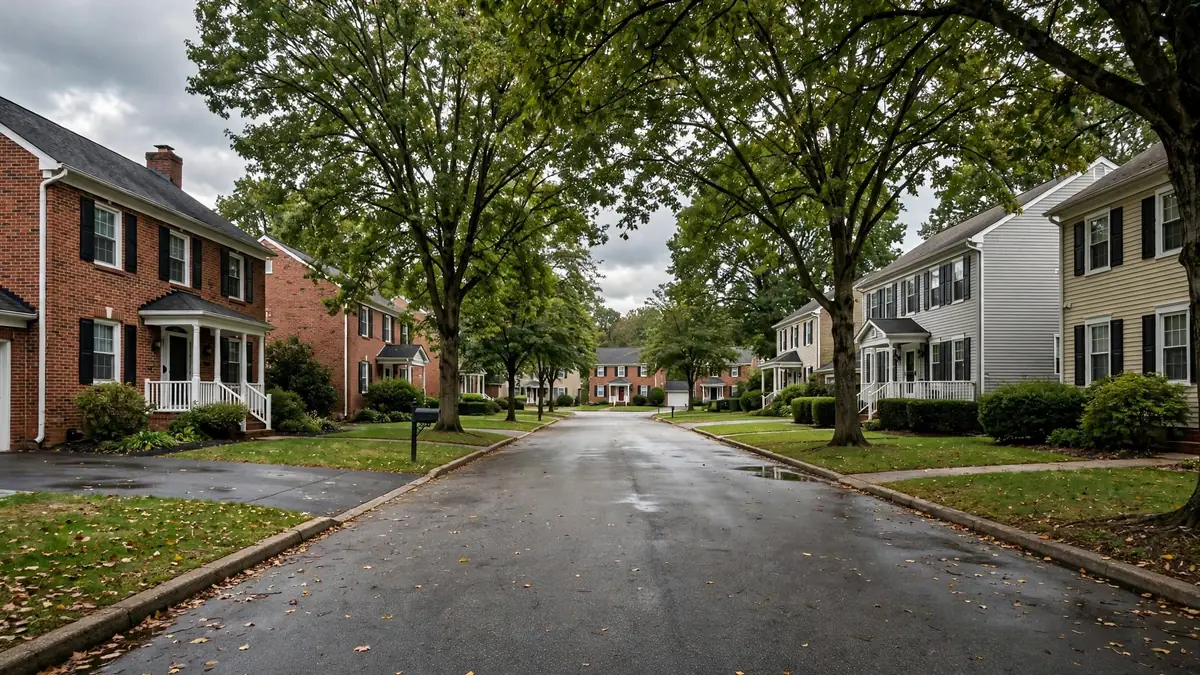
Key facts: Topeka
- In the Kansas River flood of July 1951, about 24,000 people were evacuated from Topeka [1].
- The Kansas River runs through Topeka, with North Topeka on its northern bank [2].
- Potwin Place, once its own town, is a historic district now surrounded by Topeka [3].
- On June 8, 1966, a violent tornado cut through Topeka, including the Washburn University area [4].
- Homeowners policies generally exclude flooding; NFIP flood policies usually take 30 days to start [5].
Covered
Covered ZIP codes in and around Topeka
Topeka has 18 covered ZIP codes on this site. The call confirms your exact address.
- Central and downtown TopekaOlder neighborhoods around the Capitol, downtown and the historic districts.
- North TopekaThe neighborhoods north of the Kansas River.
- West and southwest TopekaNeighborhoods around Washburn University and the newer west side.
- East and south TopekaEstablished neighborhoods and newer subdivisions on the city's edges.
- Nearby Shawnee County addressesSome addresses outside city limits share Topeka ZIP codes and may be covered.
River history
The Kansas River and the 1951 flood in Topeka
The Kansas River, often called the Kaw, flows east through Topeka on its way to Kansas City [2]. In July 1951, after weeks of heavy rain across the basin, the river rose to a historic flood. About 24,000 people were evacuated from Topeka, and North Topeka, on the low ground north of the river, was among the hardest hit [1]. The same flood went on to devastate parts of Lawrence and Kansas City, Kansas.
The flood led to major changes in flood protection along the river, including levees and upstream reservoirs. Today, large river floods in protected parts of Topeka are far less likely than they were in 1951, but the city still has creeks and low areas that flood in intense rain, and some properties sit inside mapped flood zones. If you live near the river or a creek, check your flood zone and talk to your insurance agent about flood coverage, which is separate from homeowners insurance [5].
For most Topeka homes, the day-to-day water risks are the same as anywhere in eastern Kansas: storms, basements, aging plumbing and winter freezes. But the river history explains why some older homes near the Kaw show signs of past water, and why buyers and owners in those areas ask about flood risk.
Historic homes
Topeka's historic homes and older foundations
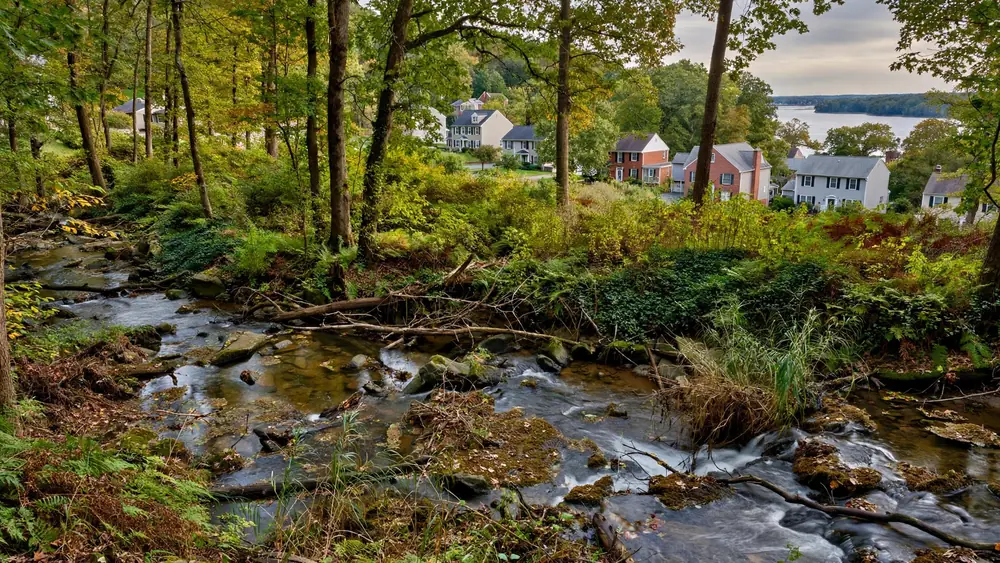
Topeka has a large stock of older homes. Potwin Place, originally its own town and now a historic district surrounded by the city [3], is known for Victorian-era houses on brick streets. Neighborhoods around downtown, the Capitol and Washburn University include early twentieth-century homes, brick bungalows and foursquares, many with basements.
Older homes change a water damage job in several ways. Foundations may be stone, brick or early concrete block, with mortar joints that let water seep through during wet periods. Basements were often built for storage and coal rather than living space, and many have since been finished, putting carpet and drywall against walls that were never designed to stay dry. Walls upstairs may be plaster over lath, which handles brief wetting differently from drywall and is repaired differently. Plumbing may include galvanized supply lines and cast-iron or clay drains.
Ask the contractor about their experience with older homes. In houses built before 1978, removing painted materials calls for lead-safe practices [6], and older homes may have materials that contain asbestos, such as pipe insulation, floor tile and some plaster or textures [7].
Housing
Topeka housing types and how they take on water
Victorian and early 1900s homes
Stone or brick foundations, plaster walls, old plumbing and basements that seep during wet weather.
Brick bungalows and foursquares
Basements with floor drains, often partly finished, with supply lines along exterior walls.
Post-war ranch homes
Basements and long plumbing runs; water heaters and laundry often in the basement.
Newer west side subdivisions
Finished basements, sump pumps and newer plumbing; risks from storm runoff and fittings.
North Topeka homes
Low ground near the river; ask about flood zones and flood insurance.
Rental and student housing
Older houses converted to rentals near Washburn, where tenants and owners both need to act fast.
Storms
Topeka storms and the 1966 tornado
Topeka sits in the storm belt of the central plains, where spring and summer bring severe thunderstorms, hail and occasional tornadoes [8]. The city's best-known storm was the tornado of June 8, 1966, which cut across the city, including the Washburn University area, and remains one of the most destructive in Kansas history [4].
Most storm water damage is far less dramatic. Hail damages roofs that start leaking weeks later; wind-driven rain gets past window flashing and into walls; downpours overwhelm gutters and push water into basements. After any big storm, look in the attic and at ceilings and basement walls, not just the roof.
Winter
Topeka winters and frozen pipes
Northeast Kansas has colder winters than the south of the state, and cold snaps that push temperatures well below freezing for days are part of most winters in Topeka [8]. Older homes are especially vulnerable: walls with little or no insulation, plumbing on exterior walls, basements with uninsulated rim joists, and porches or additions built over crawlspaces.
When a pipe splits, the water often runs inside a wall or into the basement ceiling before anyone sees it. Shut off the main valve, make electricity safe and call for help; our burst pipe water damage page covers the steps in detail.
Basements
Water in Topeka basements
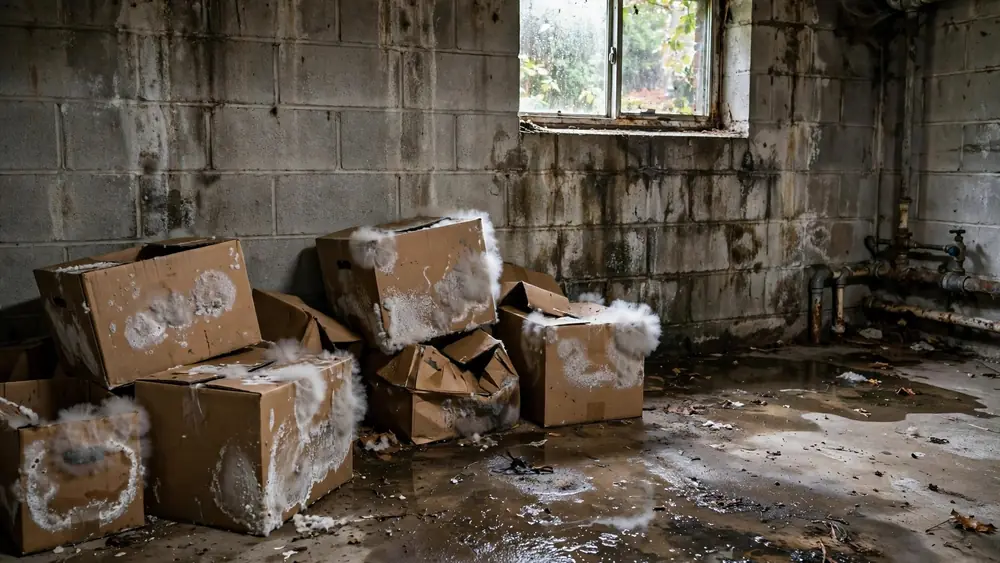
Basements in older Topeka homes often seep during long wet spells as groundwater rises and pushes through joints in stone or block walls. Newer homes are more likely to flood from a failed sump pump or water pouring into window wells during intense rain. Either way, the cleanup involves extraction, removal of what cannot be dried and careful drying of concrete and framing.
If the water came up through the floor drain, treat it as sewage until a professional says otherwise, and read our sewage backup cleanup page. If it came through the walls, the long-term fix is usually outside: grading, gutters, downspouts and drainage.
Topeka water sources
Topeka water sources and typical damage
| Source | Common when | What usually gets wet |
|---|---|---|
| Foundation seepage | Long wet periods, spring rain | Basement walls, floors, finished lower levels |
| Burst pipe in an exterior wall | Winter cold snaps | Walls, floors, ceilings below |
| Storm-damaged roof | After hail or wind | Attic, ceilings, upper walls |
| Sump pump failure | Storms with power outages | Basement floors and finished areas |
| Floor drain backup | Heavy rain or blocked line | Basement floor; contaminated materials |
| Water heater failure | Older tanks, any time | Basement or utility room |
| Creek or river flooding | Extreme rain events in flood-prone areas | Lower levels and main floors |
Topeka first steps
What to do first after water damage in Topeka
- 1
Make it safe
Stay out of water near electricity; shut off power from a dry location or call the utility.
- 2
Stop the source
Close the main valve for plumbing leaks; move belongings away from roof leaks.
- 3
Document
Photograph the damage and the source before cleanup.
- 4
Call your insurer
Ask which coverage applies to your situation.
- 5
Call for restoration
One call connects you with an independent contractor who serves your Topeka ZIP code.
Topeka permits
Permits and historic districts in Topeka
Drying and cleaning usually do not need a permit, but repairs to plumbing, electrical, mechanical equipment and structure commonly do. In Topeka, ask the contractor who will pull permits from the city. If your home is in a historic district or is individually listed, exterior changes such as replacing windows, doors or siding damaged by water may need review before work starts. Interior repairs usually do not, but check before you commit to exterior work.
Rentals near Washburn
Water damage in Topeka rentals and older converted houses
Topeka has many older houses converted into rentals or split into apartments, particularly near Washburn University and in the central neighborhoods. Water in these buildings often travels from one unit to another through shared floors and walls, and plumbing may have been added or rerouted over the decades in ways that are hard to trace. If you rent, tell your landlord in writing right away and photograph the damage. If you own, arrange extraction and drying quickly; delays make both the damage and the conversations harder.
Older-house checks
What a restorer looks for in an older Topeka house
Older houses hide water in places newer ones do not. Many homes built before the Second World War were framed with long studs that run from the foundation to the roof without a break at each floor. In those walls, water from a leak upstairs can drop straight down the cavity to the basement, so a burst pipe in a second-floor bathroom may show up first as a wet sill plate or a puddle at the foot of a basement wall. A restorer working in an older Topeka home will usually check the full height of a wall, not just the floor where the leak started.
Plaster over wood lath is another feature. Plaster is dense and hard, and it does not wick water the way drywall's paper face does, but the lath behind it can swell and the keys that hold the plaster to the lath can let go when they get wet. A plaster ceiling that sags, cracks in a spider-web pattern or sounds hollow when tapped gently may be separating and should be left alone until it is assessed. Plaster also takes longer to dry and gives misleading readings on some meters, so experience matters.
Floors are the third thing. Old houses often have several layers of flooring, such as original hardwood under later linoleum or vinyl under carpet, and water trapped between layers can stay for weeks. Old basement floors may be thin concrete over soil, or in places no concrete at all, and crawlspaces under porches and additions may have bare dirt. Each of those affects how the house is dried and how long it takes.
Finally, older houses often have a history of repairs. Previous water damage, patched plaster, sistered joists and rerouted plumbing are all common. Tell the contractor anything you know about past leaks or floods; it helps them find the current water faster and separate old damage from new for your insurer.
Boilers and radiators
Boilers, radiators and old heating pipes in Topeka homes
Some older Topeka houses are still heated by a boiler that sends hot water or steam through pipes to cast-iron radiators. These systems are durable, but they add water to a house in places a forced-air home does not have it. A radiator valve can start to weep, a corroded pipe in a wall or under a floor can spring a leak, and a boiler's relief valve can discharge onto the basement floor if pressure climbs too high.
Winter is the risky season. If the boiler fails during a cold snap, the water in radiators and pipes along outside walls, in a sunporch or in an unheated back room can freeze and split them. When heat returns, the cracks leak. Because this water has often been sitting in the system for years, it may be dark and stained with rust, and it can mark ceilings, plaster and wood floors.
If a heating pipe or radiator leaks, shut the boiler off following the manufacturer's directions or call a heating technician, close the valves on the leaking section if you know how, and treat the wet areas like any other leak: extraction, then drying. Tell the restoration contractor the water came from the heating system so they can check under radiators, along the pipe routes and in the floor cavities between rooms. The boiler should be inspected by a qualified technician before it is refilled and restarted.
Choosing
Questions to ask before a Topeka contractor starts work
On the call, and again before you sign anything, ask how much experience the contractor has with older homes, plaster walls and stone or block basements. Ask how they will measure moisture in plaster and old wood, how they decide what to remove, and how they will protect original features such as hardwood floors, wood trim and built-ins. Ask who will pull any city permits for repairs, and whether they will document the job for your insurer. A contractor who works carefully in older houses will be happy to answer all of these. Write the answers down, along with the name of the person you spoke to and the date, so you can refer back to them once work begins and compare them with what is in the written scope.
Seasons
A year of water risks in Topeka
Water damage in Topeka follows the seasons. Late winter brings the risk of burst pipes during deep cold, followed by thaw, when frozen pipes start leaking and snowmelt soaks the soil around foundations. Spring brings the heaviest rain and the most severe storms, with hail, wind-driven rain and downpours that overwhelm gutters and sump pumps [8]. Early summer often continues the storm season, and basements that seeped in spring may stay damp.
High summer is drier but humid, and humid air condenses on cool basement walls and cold-water pipes, raising mold risk in basements that are not dehumidified. Autumn is the time to get ready: clean gutters after the leaves fall, disconnect garden hoses, insulate exposed pipes and test the sump pump before winter. A few hours of preparation in October can prevent the most common winter calls.
Topeka claims
Documenting a Topeka water claim
Whatever the source, good documentation makes an insurance claim smoother. Take wide photos of each affected room and close-ups of damage, the water source and any visible water line. Keep damaged items until your adjuster has seen them or told you they can go, or photograph them with labels and model numbers if they must be removed for health reasons. Keep receipts for anything you buy to protect the property, such as tarps, fans or a wet vacuum.
Restoration contractors typically provide their own documentation: moisture maps, daily readings, photos and a list of removed materials. Ask for copies. If you need to stay elsewhere while the house is repaired, keep receipts and ask your insurer about additional living expense coverage. Our insurance adjuster guide goes through the process in more detail.
Prevention
Protecting a Topeka home
- Insulate old walls and rim joistsAdd insulation where plumbing runs along exterior walls and basement rim joists.
- Manage roof waterKeep gutters clean and downspouts extended well away from old foundations.
- Watch the basementSeal visible cracks, run a dehumidifier in summer, and keep stored items off the floor.
- Test the sumpIf you have one, test it in spring and add backup power.
- Check your flood zoneIf you are near the river or a creek, ask about flood insurance before you need it [5].
- Plan for winter travelKeep the heat on and consider shutting off the main water valve.
Related
Water damage services for Topeka homes
Burst pipe water damage
Frozen and failed pipes in older walls.
Read moreFlooded basement cleanup
Seepage, storms and sump failures.
Read moreStructural drying
Drying plaster, framing and concrete.
Read moreMold prevention
Keeping damp basements from growing mold.
Read more
FAQ
Topeka water damage questions
Is all of Topeka covered?
Topeka has 18 covered ZIP codes on this site, covering most of the city. Call to confirm your address.
Is North Topeka still at risk of flooding?
Flood protection has changed a great deal since 1951, but parts of the city near the river and creeks remain in flood zones. Check your flood zone and consider flood insurance.
My old Topeka basement seeps every spring. Is that normal?
It is common in older stone and block foundations, but it can be reduced with better grading, gutters, downspouts and drainage. Wet materials should still be dried promptly.
Can wet plaster walls be saved?
Often, if they dried quickly and are still firmly attached. Plaster that has softened, cracked or separated from the lath may need repair. Ask a contractor with older-home experience.
Do I need permission to repair a water-damaged historic Topeka home?
Interior repairs usually do not need historic review. Exterior changes in historic districts may. Check with the city before exterior work.
Does this site promise emergency service in Topeka?
No. Timing is up to the Topeka contractor you speak with, so ask them on the call how soon they can visit.
Why did a leak upstairs show up in my Topeka basement?
Many older Topeka homes have wall framing that runs from the foundation to the roof without a break at each floor, so water can fall straight down the cavity. Shut off the water and have the full height of the wall checked.
Should I run a dehumidifier in my Topeka basement in summer?
Usually, yes. Humid summer air condenses on cool basement walls and pipes. Keeping basement humidity below about 60 percent helps prevent mold and musty smells.
My Topeka radiator is leaking rusty water. What should I do?
Turn the boiler off or call a heating technician, put towels and a pan under the leak, and keep the water off wood floors and plaster ceilings below. Then have the wet areas dried; rusty heating water can stain finishes, so it is worth dealing with quickly.
Who pays for water damage in a Topeka rental?
Usually the owner's policy covers the building and the tenant's renters policy covers belongings, but it depends on the cause and the policies.
Nearby
More around Topeka
Back to all of Kansas. Nearby pages: Kansas City, KS, Lawrence, Overland Park, Shawnee, Wichita.
Related help for Topeka: water extraction, structural drying, sewage backup cleanup, fire damage restoration and smoke damage cleanup. First time dealing with this? Read the first hours after water damage.