Key facts: New Hampshire
Local risks
What drives damage in New Hampshire
The Merrimack River flooded Manchester in 1936 and 2006, and that 2006 storm was severe in Concord too. Portsmouth also deals with the tidal Piscataqua and salt air.
Spring melt is when wet cellars tend to show up.
Housing
Homes and buildings here
Manchester has converted mill buildings and old worker tenements, Nashua has its Tree Streets houses, and Portsmouth has colonial and Federal homes in a historic district where exterior work may face review.
Common damage

Where to go next
Services people ask about
Start with water damage restoration, flooded basement cleanup or burst pipe water damage. If you own a seasonal camp, drain it or have someone check it regularly.
Service areas
Restoration service areas in New Hampshire
Cities and neighborhoods: Concord, Keene, Laconia, Lebanon and Hanover, Manchester, Nashua, Portsmouth.
Key point
New Hampshire water problems follow the snow calendar
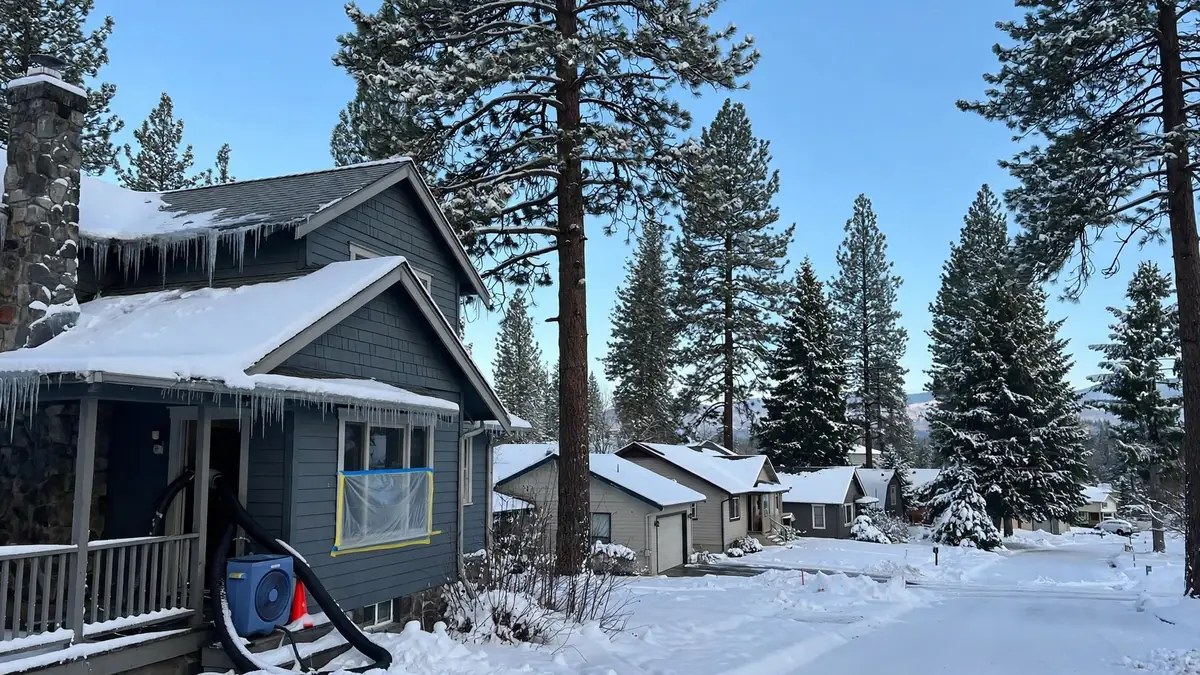
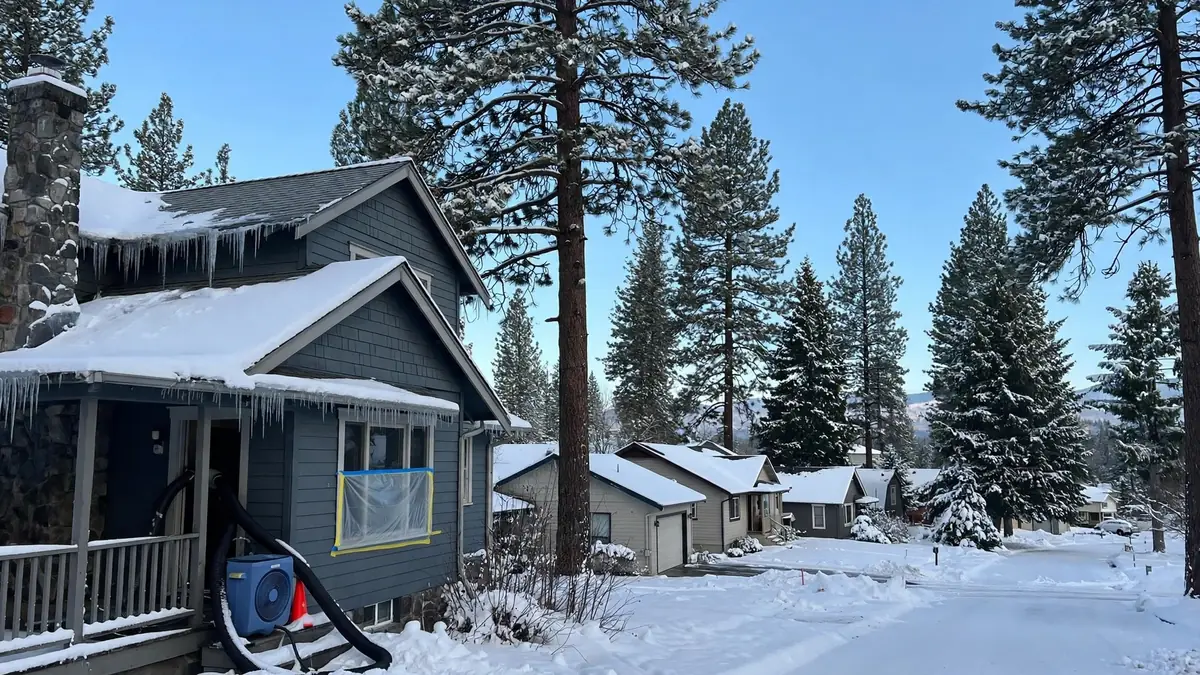
Think in seasons. Winter means frozen lines and ice dams. Spring melt means wet cellars and rising rivers. Summer can still deliver a flood, as it did in July 2023, when storms flooded waterways and those mid-July dates later brought a federal disaster declaration.
Snow totals differ by location. Keene normally sees about 60 inches, though 2002 to 2003 brought 112.5. Laconia sees about 62, Portsmouth about 65, Lebanon 72.1 and Hanover 60.6, so a roof in the Upper Valley has a different winter from one on the Seacoast.
River record
From the 1936 flood to October 2005 and May 2006
The Merrimack has been the state's big flood river. In 1936, it destroyed Manchester's McGregor Bridge and damaged mills and buildings. Seventy years later, in May 2006, three days and more than eight inches of rain set a mark near Concord unseen for at least 70 years, and the river rose about 10 feet above flood stage in Manchester. Dozens of homes flooded, and electricity was cut along sections of the river.
Keene had its own emergency just seven months earlier. The October 2005 storm brought around 12 inches of rain and record flooding, and the two events behaved differently. If your home went through both, or has been wet more than once, look closer at the framing before assuming a past repair is still sound.
Your city
New Hampshire cities and their water sources
Check your area for detail about local housing.
| City | River or lake | Building note |
|---|---|---|
| [Manchester](/areas/new-hampshire/manchester/) | Merrimack, Piscataquog | Converted Millyard mill apartments and old worker housing |
| [Nashua](/areas/new-hampshire/nashua/) | Nashua and Merrimack | Tree Streets and French Hill houses dating from the mill era; about 48.19 inches of precipitation |
| [Concord](/areas/new-hampshire/concord/) | Merrimack | Hit hard in May 2006; historic downtown buildings reused |
| [Portsmouth](/areas/new-hampshire/portsmouth/) | Tidal Piscataqua | Post-1813 brick and slate downtown; Historic District Commission |
| [Keene](/areas/new-hampshire/keene/) | Ashuelot | Record October 2005 rain; older Main Street commercial blocks |
| [Laconia](/areas/new-hampshire/laconia/) | Winnipesaukee region lakes | Mill history going back to 1765; seasonal lake homes |
| [Lebanon and Hanover](/areas/new-hampshire/lebanon-and-hanover/) | Connecticut River valley | Colburn Park National Register district; Dartmouth-area housing |
Old construction
Stone cellars, mill walls and slate roofs
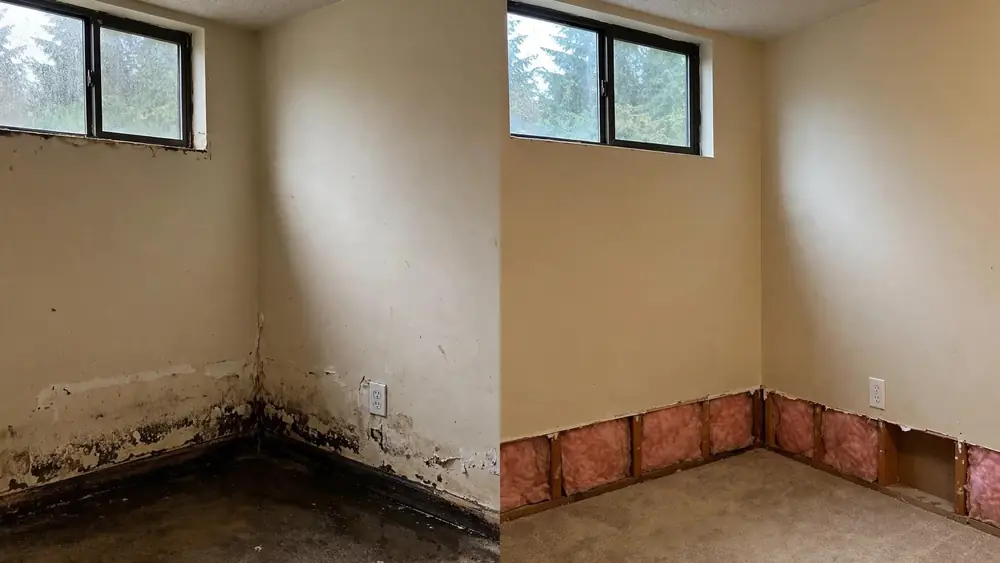
Many New Hampshire cellars were never meant to be dry rooms. Stone or block foundations let spring groundwater weep through, so ask the contractor to tell seepage apart from a sudden event, as your insurer will likely make that distinction too. Keep stored things off the floor and run a dehumidifier during melt season.
Portsmouth is its own case. When fire took 244 buildings in 1813, the city ordered brick and slate for new work in a fire district. Those downtown buildings now tend to have shops below and apartments above, so a leak can affect two different parties. Exterior repairs in the historic area may need review, and it is best to ask before replacing old windows or masonry.
Converted mill buildings in Manchester and Nashua raise different questions, since shared systems and building management control access. Start with management, and then bring in the contractor.
Winter routine
Ice dam and freeze prevention for New Hampshire houses
A few habits before and during winter stop many calls.
- Air-seal and insulate the attic so that the roof deck stays cold; ice dams begin with heat loss.
- Rake snow from the eaves from the ground. Do not chop ice, since that damages shingles.
- Know where the shutoff is, and drain lines in seasonal lake houses before leaving them.
- Mark septic covers and discharge lines before the snow arrives, because deep snow hides them. Hanover’s deepest snow averages 17.8 inches each winter.
- Consider a leak or temperature alarm for a house that sits empty, especially around Winnipesaukee.
Right now
Wet cellar or burst pipe in New Hampshire: first moves
This order applies to a spring seep and a January split alike.
- 1
Shut off water or stay clear
Find the main. If river water is entering, get out and leave the electric panel alone.
- 2
Decide what kind of water it is
Melt seepage, supply water and sewage each need a different approach. Water damage categories explained lays them out.
- 3
Protect the heating system
Boilers and furnaces often sit on cellar floors. If water reached the burner or controls, have a technician inspect them before they run again.
- 4
Record it all
Take photos and notes. If you are on a well or septic system, mention it to the contractor.
- 5
Talk to your insurer and a contractor
Phone (833) 610-0241, and arrange the work with the independent contractor who answers.
Insurance
How New Hampshire insurers tend to see water
A sudden burst pipe is usually handled differently from groundwater seepage, flood or a slow leak. River flooding generally requires a separate flood policy. Ice dam claims can hinge on where the damage shows up, and the interior water is often treated separately from the roof ice itself, so ask your agent specifically. The New Hampshire Insurance Department answers questions from policyholders.
For more on what to tell an adjuster, read working with your insurance adjuster. And if the water was gradual, say so honestly; a misdescribed claim causes more trouble than a declined one.
Granite State questions
New Hampshire questions about melt, ice and floods
Why does my basement only get wet in April?
Snowmelt and saturated ground raise the water table. Lake regions see a similar rhythm; Winnipesaukee ice-out is declared in April roughly nine years in ten. Grading, gutters and a sump can help.
My Lakes Region cottage was closed for winter. What do I check first?
Close the main, look at low points and fixtures, and only then bring water back in stages, watching for leaks.
Can my Portsmouth building get new windows after water damage?
Ask the city before ordering. The Historic District Commission may have a say over exterior changes.
Sources and citations
- [1]U.S. EPA: A brief guide to mold, moisture and your home
- [2]Wikipedia: Ice dam
- [3]Wikipedia: 2006 New England flood
- [4]Wikipedia: Manchester, New Hampshire
- [5]Wikipedia: Nashua, New Hampshire
- [6]Wikipedia: Portsmouth, New Hampshire
- [7]Wikipedia: Laconia, New Hampshire
- [8]Wikipedia: Keene, New Hampshire
- [9]Wikipedia: Lebanon, New Hampshire
- [10]Wikipedia: Hanover, New Hampshire
- [11]Wikipedia: Lake Winnipesaukee
- [12]New Hampshire Insurance Department