Key facts: Laconia
- Water covers 23.93 percent of Laconia, including parts of four lakes and bays [1].
- The Winnipesaukee River drains the city, with downtown along it [1].
- Laconia averages 61.9 inches of snow, and its record low is −24°F [1].
- The Belknap Mill, built in 1823, is described as the oldest unaltered brick textile mill in the country [1].
The setting
A city between lakes
Laconia lies between Lake Winnipesaukee and Lake Winnisquam, with Opechee Bay and Paugus Bay inside the city too. [1] The Winnipesaukee River runs through downtown between Opechee Bay and Winnisquam. [1] Weirs Beach sits by the channel linking Paugus Bay to Winnipesaukee, and Lakeport lies between Opechee and Paugus. [1]
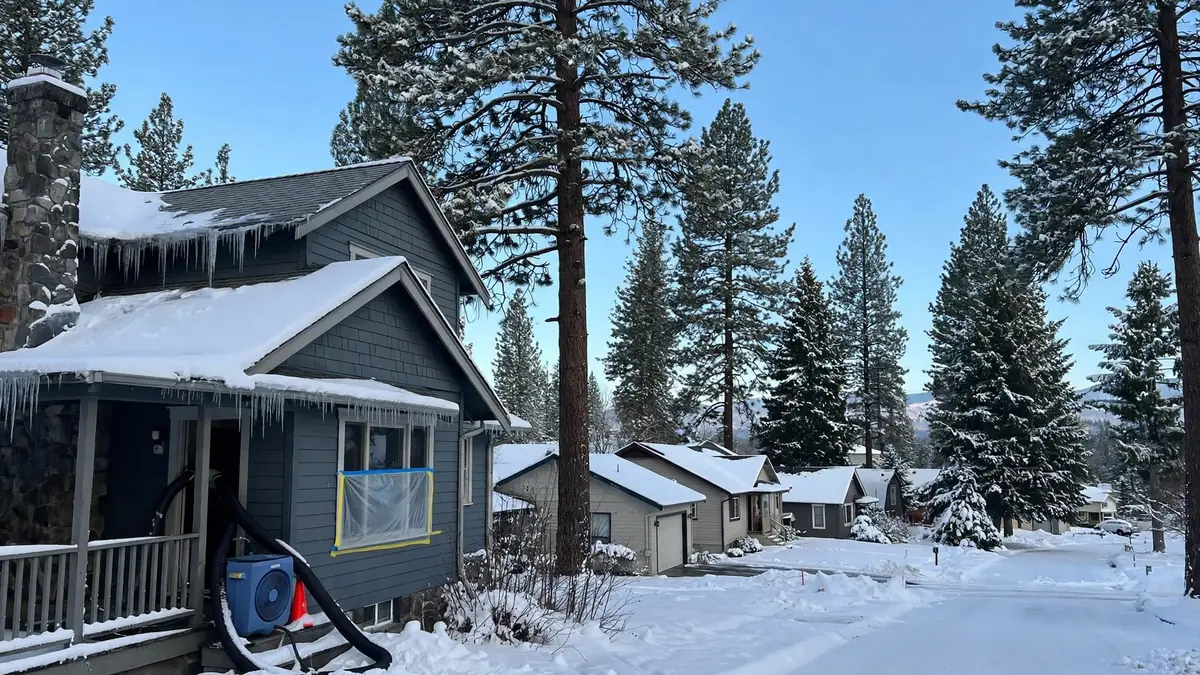
Lots close to the water may have high groundwater, damp crawlspaces and limited slope for drainage. Heavy rain plus high lake levels can affect low properties. Winter brings about 62 inches of snow and record lows of −24°F. [1]
Seasonal
Closed-up cottages and long absences
Busy summers, including Motorcycle Week each June, [1] contrast with quiet winters when many cottages sit empty. If a place stays heated, a furnace or fuel failure can freeze the plumbing with no warning. If it has been winterized badly, water left in low spots can split a fitting. Either way, damage often goes unseen for weeks or months.
When you find it, resist turning everything back on. Photograph first, leave the water off until a plumber checks the lines and watch for mold. Tell your insurer the facts; many policies have conditions about heat and vacancy. See the frozen pipes guide and mold prevention.
Common situations
Water damage typical around the lakes
General patterns.
Winter break at a vacant camp
A break can run or sit unnoticed for a long period.
Read moreDamp crawlspaces
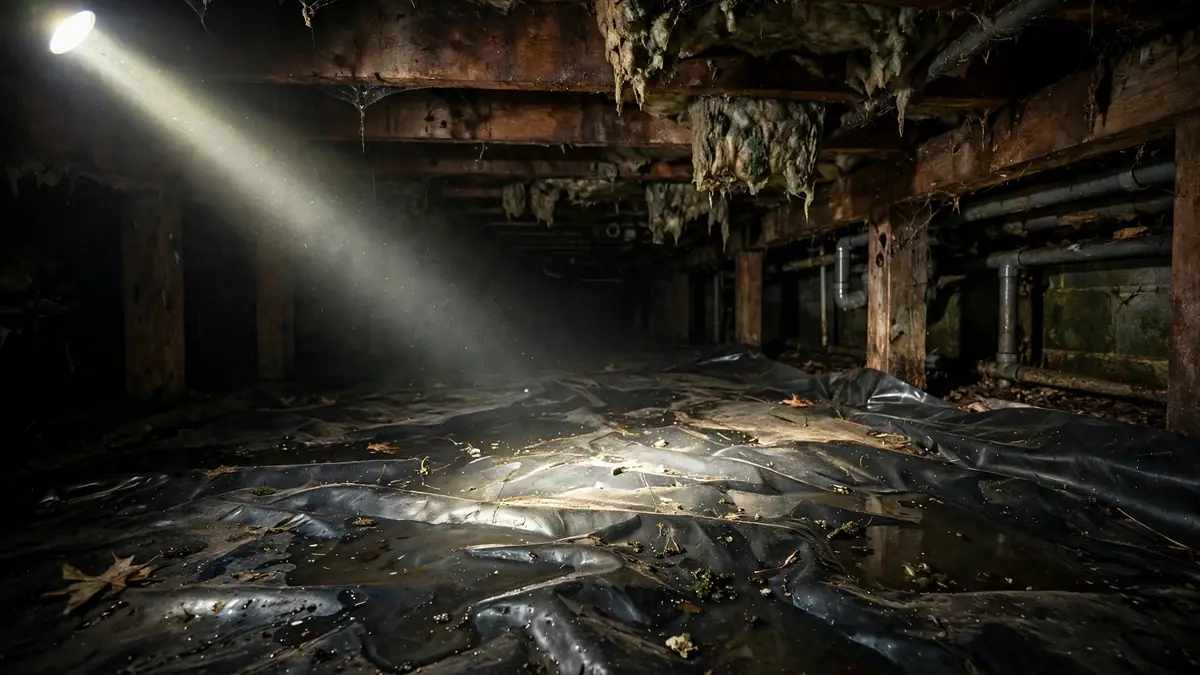
Cottages on piers or shallow foundations stay damp near water.
Read moreIce dams on cottages
Limited insulation and snow on roofs lead to eave leaks.
Wet downtown cellars
Low ground near the river can take on water in thaw.
Read more
Plan
Winter choices for a seasonal Laconia property
Options to discuss with a plumber and your insurer.
| Plan | Benefit | Check |
|---|---|---|
| Full winterizing | No water left to freeze | Traps and low points |
| Keep heat on with alarm | Home stays usable | Fuel and alert reliability |
| Regular check-ins | Finds problems sooner | Policy requirements |
| Main shut off and drained | Limits leak size | Heating system needs |
How it usually runs
After finding damage at a closed-up place
- 1
Look before touching
Check for sagging, mold and wet electrics.
- 2
Keep water off
Have a plumber restore it section by section.
- 3
Document
Date of discovery and last known good date.
- 4
Remove soaked items
Long-wet materials are less likely to be saved.
- 5
Dry with care
Check ducts and run equipment only after electrics are safe.
Older buildings
Mills and downtown
Permits
Local offices
Laconia handles permits inside city limits, while Meredith, Gilford and other neighbors have their own offices. Shoreline work may involve state rules too, so ask before changing anything near the water.
Nearby
Areas near Laconia
To the south is Concord. Meredith, Wolfeboro and Plymouth are also on the coverage list.
Lake levels
How the lakes connect and what controls them
Lake Winnipesaukee is the largest lake in New Hampshire, about 21 miles long and covering 69 square miles, with roughly 288 miles of shoreline. [3] The Lakeport Dam regulates its outflow, and water then leaves through the Winnipesaukee River, which runs west to join the Pemigewasset at Franklin and form the Merrimack. [3] Laconia is therefore a controlled link in a very large system, with Paugus Bay, Opechee Bay and Winnisquam all connected.
Dam operators can manage levels within limits, but they cannot prevent all high water after major rain or snowmelt. Shoreline properties should note how close the lowest floor, the septic system and any stored boats or fuel are to typical high levels. Ice can also shove against shoreline structures in late winter. Docks and boathouses are often treated differently from the main house by insurers, so read your policy with those in mind.
Ice-out
Ice-out season at a closed cottage
About 90 percent of Winnipesaukee ice-outs are declared in April, with records going back to 1851. [3] The earliest on record came on March 17, in 2024, and the latest on May 12. [3] That April window is usually when owners begin returning to camps, and when any winter damage comes to light. A mild March could mean a pipe has been thawing and leaking for weeks before you get there.
When you open a camp, go slowly. Look before you turn on the water, close all the faucets and open the main a little at a time, with someone walking through the building and listening. Check under sinks, around the water heater and under the floor. If you find a leak, close the main and get it fixed before going on. Photograph any damage before starting cleanup, and note the date. See what to do after water damage.
Cottages
How lake cottages are built, and why it matters
Many older lake cottages began as simple summer places, with thin walls, shallow crawlspaces or posts, little insulation and plumbing run where it was easiest. Later owners may have added heat and winter use without changing the structure much. Those are exactly the conditions under which pipes freeze and moisture collects. Water beneath a cottage can dampen floor joists for years, and a musty smell in June may be the only sign.
A contractor will want to see below the floor. A vapor barrier on the soil, working vents and insulation that is not falling down are basic steps, as shown on the structural drying page. If a septic system near the lake backs up after high water, treat it as contaminated and contact a septic professional. Shoreland rules can limit changes near the water, so ask your town and the state before any exterior or site work.
Absentee owners
A checklist for those who live elsewhere
Practical steps for out-of-town owners.
- Local contactGive a trusted neighbor or caretaker a key, your insurer's number and instructions for the main valve.
- Remote alertsTemperature and water sensors can warn you. Check that they work without power or internet, or know their limits.
- Written shutdown listKeep a list of each valve, drain and fixture, so nothing is missed in the fall.
- Fuel planAutomatic delivery and a working low-fuel alarm protect heated homes.
- Policy reviewAsk about vacancy and heat conditions each year, as your use of the home may change.
Downtown
Lakeport and downtown buildings by the river
Downtown Laconia sits along the Winnipesaukee River, and Lakeport lies near the geographic center of the city between Opechee and Paugus bays. [1] Some of the buildings here date back to the mill era; the Belknap Mill was built in 1823. [1] Lakeport's Great Fire of 1903 was severe enough to bring fire companies by train from as far as Dover. [1] As a result, building ages there vary widely, even on one street.
Lower levels near the river can be damp as a matter of course, so it helps to store items off the floor and to keep the panel and heating equipment clear of high water. Motorcycle Week brings nine days of crowds each June, [1] which can make access difficult. If you need work done then, tell the contractor about road closures and parking around Weirs Beach and Route 3, and ask directly about timing.
Compare
Year-round homes and seasonal homes in Laconia
How the same water problem differs.
| Issue | Year-round home | Seasonal home |
|---|---|---|
| How soon a leak is found | Usually quickly | Possibly months later |
| Likely condition of materials | Often salvageable | More often past recovery |
| Mold concern | Moderate | Higher after a long absence |
| Insurance questions | Cause and coverage | Also heat and vacancy conditions |
FAQ
Questions from Laconia
How can I keep an eye on an empty camp?
A low-temperature alert and a trusted person who visits both help.
Will insurance cover a break while I was away?
It depends on your policy's vacancy and heat conditions. Report it promptly.
Do lake levels flood homes?
Low shoreline properties can be affected, especially with heavy rain. Check flood maps.
Should I drain the system every year?
If it will be unheated, yes. Ask a plumber to do it properly.
Mold after months away?
Possibly. Do not disturb large patches, and do not run forced air until checked.
Nearby
More around Laconia
Back to all of New Hampshire. Nearby pages: Concord, Keene, Lebanon and Hanover, Manchester, Nashua, Portsmouth.
Related help for Laconia: water extraction, structural drying, sewage backup cleanup, fire damage restoration and smoke damage cleanup. First time dealing with this? Read the first hours after water damage.