
Key facts: New London and Groton
- New London sits at the outlet of the Thames River on Long Island Sound, with Groton across the river [1].
- The Thames is formed at Norwich and flows south to New London and Groton, which flank its mouth [2].
- Hurricanes came ashore on this coast several times in the twentieth century, including 1938 and 1985 [1].
- The 1938 New England hurricane made landfall on Long Island as a Category 3 storm before striking New England [3].
Coverage
Covered communities in southeastern Connecticut
Coverage is by ZIP code; the call confirms your address. Covered places in this area include:
- New LondonOne covered ZIP code.
- GrotonOne covered ZIP code across the Thames.
- MysticOne covered ZIP code east of Groton.
- Waterford and East LymeOne covered ZIP code each to the west.
- NorwichOne covered ZIP code up the Thames.
- Old SaybrookOne covered ZIP code further west along the shoreline.
- Not listed?Ask on the call. Only covered ZIP codes are served; if yours is not, you will be told so and not passed to anyone.
Homes here
What southeastern Connecticut housing means for water damage
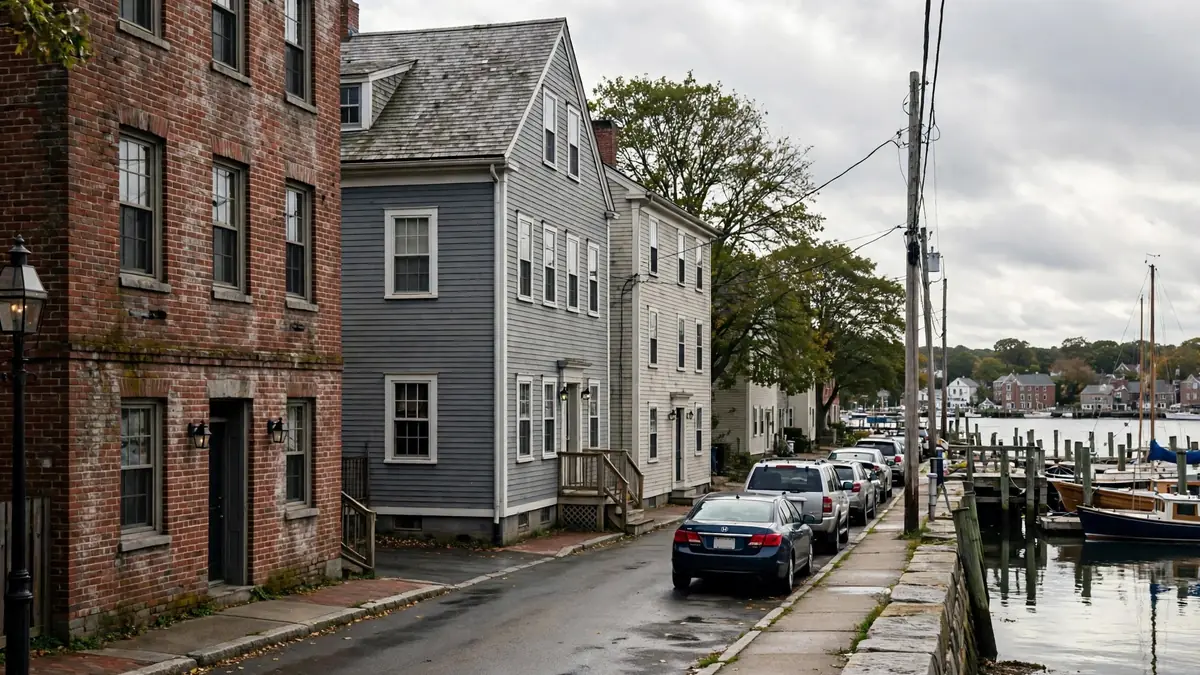
New London lies at the outlet of the Thames River, bounded by Waterford to the west and north, by the river and Groton to the east and by Long Island Sound to the south [1]. Its harbor was long considered the best deep-water harbor on the Sound, which made the area a maritime and naval center [1]. The housing reflects that history: older wooden and brick houses near the waterfront, multi-family homes in the city's neighborhoods, mid-century houses on the hills and newer apartments and condos.
Groton, across the river, has a mix of older village areas, mid-century neighborhoods and newer subdivisions, with many houses close to the water. Mystic, to the east, is known for its historic seaport village and old houses near the Mystic River.
That combination produces familiar Connecticut water damage, such as burst pipes, basement seepage and appliance leaks, plus the coastal problems that come with living on the Sound.
Common jobs
Water damage calls common in New London and Groton
The situations that come up most often.
Coastal storm flooding
Storm surge and wind-driven rain push water into low-lying homes near the harbor and Sound.
Leaks in older waterfront houses
Older roofs, windows and plumbing in historic homes let water in.
Basement and crawl space water
High groundwater near the shore and rivers keeps lower levels damp.
Frozen pipes
Cold snaps freeze pipes in exterior walls and in seasonal homes.
Apartment and condo leaks
Unit-to-unit leaks in multi-family buildings and complexes.
Wind-driven rain
Strong coastal winds force rain through siding, windows and roof edges.
Storm history
Hurricanes and the southeastern Connecticut shore
Tropical storms have reached this stretch of coast repeatedly. Landfalls along this shore include storms in 1903, 1938 and 1944, Carol in 1954, Donna in 1960 and Gloria in 1985 [1]. The 1938 hurricane, which crossed Long Island as a Category 3 storm before striking New England, remains one of the most destructive storms in the region's history [3].
More recently, Hurricane Sandy in 2012 brought evacuations to towns across Connecticut [4], and Tropical Storm Irene in 2011 caused widespread damage and outages in the Northeast [5]. For homes near the harbor, the Thames and the Mystic River, storm surge is the main flood threat [6].
Coastal flooding
When seawater comes into the house
Coastal floodwater is treated as contaminated: it can carry sewage, fuel and debris along with salt [7]. Porous materials that were soaked, such as carpet, drywall, insulation and upholstered furniture, are usually removed. Surfaces that are kept are cleaned, rinsed to remove salt and dried. Saltwater is hard on electrical wiring, outlets, appliances and heating equipment, which should be inspected by licensed trades before use.
Flood damage from rising water is generally excluded from standard homeowners policies and covered through flood insurance instead, such as the National Flood Insurance Program [8]. Photograph water lines on walls and damaged belongings before cleanup.
A shoreline job
How a coastal flood cleanup usually proceeds
- 1
Wait for safe return
Follow official guidance before going back [9].
- 2
Check for hazards
Gas smells, electrical damage and structural damage first.
- 3
Document
Water lines, rooms and belongings.
- 4
Pump and extract
Remaining water out of the lower level and crawl space.
- 5
Remove soaked materials
Carpet, pad, drywall below the water line, insulation.
- 6
Clean and rinse
Remove mud and salt; disinfect hard surfaces.
- 7
Dry
Dehumidifiers and air movers, including in crawl spaces.
- 8
Inspect mechanicals
Electrical, heating and water heating equipment checked or replaced.
Housing types
How local housing types handle water damage
Generalizations only.
| Housing type | Common problems | Restoration notes |
|---|---|---|
| Historic waterfront house | Old roofs and windows, plaster, crawl spaces | Careful drying of plaster and old wood; lead-safe work |
| City multi-family house | Stacked leaks, shared basements | Multi-unit coordination |
| Mid-century hillside home | Basement seepage, burst pipes | Basement drying and wall cavity drying |
| Shoreline cottage | Storm surge, damp crawl space | Contaminated water cleanup, crawl space drying |
| Newer condo or apartment | Appliance and sprinkler leaks | Association coordination |
Historic houses
Restoring water damage in historic homes
New London, Groton and Mystic have many old houses, some from the eighteenth and nineteenth centuries. These buildings often have plaster walls on wood lath, wide-plank floors, original trim and stone foundations. They were built to breathe, and they dry differently from modern homes.
Restorers working in older houses dry plaster in place when it stays attached to the lath [10], avoid aggressive heat that can split old wood and take care with paint that may contain lead [11]. Materials such as old pipe insulation or floor tiles should be tested for asbestos before removal [12]. If the house is in a local historic district, exterior repairs may need approval; ask your town.
Crawl spaces
Crawl spaces and shallow foundations near the water
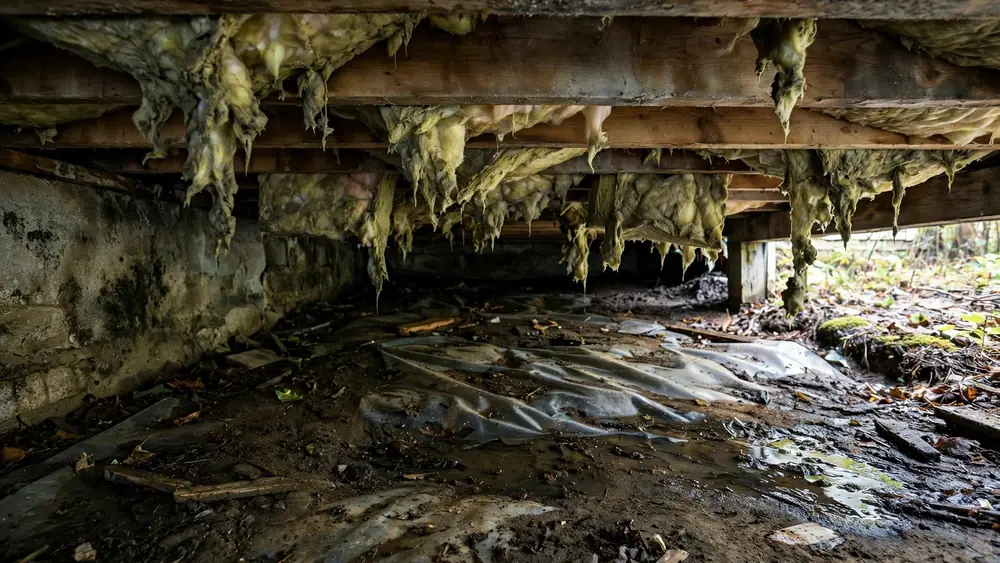
Many shoreline houses, especially older cottages converted to year-round use, sit on crawl spaces or shallow foundations. Close to the water, groundwater is high and crawl spaces stay damp. After storms, they can fill with water that then soaks the insulation and keeps the floor above wet.
Drying involves pumping, removing wet insulation and vapor barrier, and dehumidifying the space. A new vapor barrier and sealing or encapsulating the crawl space can reduce long-term moisture. Signs of a wet crawl space include musty smells, cupping floors and condensation on windows.
Winter
Winter freezes and seasonal homes
Shoreline winters are milder than inland Connecticut, but cold snaps still freeze pipes in exterior walls and crawl spaces. Seasonal homes along the shore are a particular risk if they are left heated at a low setting or not winterized. Keep heat steady, insulate crawl space pipes and let faucets drip in extreme cold [13]. If a house will be empty all winter, have the plumbing drained and winterized.
Local checklist
First steps for New London and Groton homeowners
In the first hour, if safe.
- Stop the waterClose the main valve for plumbing leaks.
- Stay out of floodwaterWait until it recedes and officials allow return.
- Cut power safelyOnly from a dry location.
- PhotographWater lines, rooms and belongings.
- Move valuablesTo upper floors.
- Call your insurersHomeowners and flood insurance if you have it.
Mold
Mold prevention near the shore
Humid summers and damp crawl spaces make mold the main follow-up risk. The EPA advises drying within 24 to 48 hours and keeping humidity below 60 percent [14]. Running a dehumidifier in basements and crawl spaces through the summer helps. See mold prevention after water damage.
Groton
Groton and the east bank
Groton sits across the Thames from New London [15]. Its housing ranges from older village areas to mid-century neighborhoods and newer developments, many close to the water. Water damage calls here include coastal flooding in low areas, basement seepage, burst pipes and appliance leaks in single-family homes, and unit-to-unit leaks in apartments and condos.
Mystic
Mystic and the Mystic River
Mystic, east of Groton, is a village known for its seaport and its older houses along the Mystic River [16]. Historic homes close to the water face both coastal flooding and the slow-moving problems of older buildings: roof and window leaks, damp foundations and old plumbing. Careful drying that respects old materials matters here.
Norwich
Norwich at the head of the Thames
Up the river, Norwich is where the Thames is formed [2]. It is an older city with multi-family housing, hillside streets and river neighborhoods. Its water damage patterns are similar to other older Connecticut cities: stacked leaks, damp basements, burst pipes and, in low areas near the rivers, flooding during extreme rain.
Waterford, East Lyme and Old Saybrook
Waterford, East Lyme and Old Saybrook
West of New London, Waterford and East Lyme have shoreline neighborhoods and inland subdivisions, and Old Saybrook sits at the mouth of the Connecticut River further west. Shoreline homes face coastal storms; inland homes deal with basements, sump pumps and frozen pipes. Some homes are on private wells and septic systems.
Local symptoms
What shoreline homeowners notice and what it usually means
A quick reference before calling.
| What you notice | Likely cause | What to do first |
|---|---|---|
| Water line on lower walls after a storm | Storm surge or street flooding | Stay out until safe; treat as contaminated |
| White salt crust on floors and walls | Seawater that has dried | Rinse, dry and have utilities checked |
| Musty smell and cupping floors upstairs | Wet crawl space below | Inspect and dry the crawl space |
| Stains around windows after a windy storm | Wind-driven rain through siding or frames | Check the wall cavity for moisture |
| Ceiling drip under an upstairs bathroom | Plumbing leak | Close fixture valves or the main |
| Water in a seasonal house in spring | Pipes that froze over winter | Close the main; call for drying |
Wind-driven rain
Wind-driven rain on exposed shoreline houses
Houses near the water take the brunt of coastal wind. During nor'easters and tropical storms, rain is driven sideways into siding joints, around window and door frames, through gaps at roof edges and up under shingles. The water often runs down inside the wall and appears days later as a stain below a window or a damp baseboard.
These leaks are easy to underestimate because nothing is pouring in. The restorer checks the wall cavities below affected windows with moisture meters and opens them if insulation and framing are wet. A carpenter or roofer repairs the flashing, trim or siding so the next storm does not repeat the damage.
Preparing
Preparing a shoreline home before a storm
When a tropical storm or strong nor'easter is forecast, move valuables, documents and electronics off lower floors and out of crawl space storage. Clear gutters and drains. Test the sump pump if you have one. Know how to shut off the main water and the electricity. Take photos or a video of each room before you leave.
Follow official evacuation orders, and never walk or drive through floodwater [20]. After the storm, return only when officials say it is safe, and check for gas smells, downed lines and structural damage before going in [9].
Multi-family
Multi-family houses in New London and Norwich
New London and Norwich both have older multi-family houses in their city neighborhoods. In these, a leak in an upper unit often damages the units below, and basements are shared. Tell the owner and the other households right away, shut off the water and document every affected unit. The restorer maps and dries across the whole building, coordinating access with the owner.
Tenants should report damage in writing with photos and check whether they have renters insurance for their belongings.
Belongings
Rescuing belongings after a shoreline flood
Porous items soaked by seawater, such as mattresses, upholstered furniture, carpet and paper, are usually discarded because they cannot be reliably cleaned [7]. Hard items, such as metal, glass, hard plastic and solid wood, can often be washed, rinsed of salt and dried. Important documents and photographs can be rinsed gently and frozen until they can be properly dried. Photograph and list everything you discard for the insurance claim.
After the storm
Living with a shoreline home after a flood
Once a coastal flood has been cleaned up and dried, there are steps that make the next one less damaging. Raise the furnace, water heater, washer and dryer and the electrical panel above likely flood levels where possible. Use flood vents in enclosed areas below the living space so water can flow in and out instead of pushing on the walls. Rebuild lower levels with materials that tolerate water: tile, closed-cell foam insulation and moisture-resistant panels.
Store belongings in plastic bins on shelves rather than in cardboard on the floor, and keep important papers upstairs or in waterproof containers. Review your flood insurance each year before hurricane season, and keep an inventory of what is stored on the lower floors, ideally as a short video saved somewhere outside the house.
Keep the drying report. If you sell the house, a buyer's inspector will ask about past flooding, and the report shows it was handled properly.
Condos
Condos and apartments near the harbor
Newer condo and apartment buildings around New London, Groton and the shoreline towns see the usual mix of appliance leaks, toilet and sink supply failures, water heaters inside units and sprinkler heads. Water moves down to the units below. Building management and the association need to know at once, and each owner may need to file with both the master policy and their own unit policy. Documenting each unit separately keeps everything clear.
Basements
Basements in New London and Groton homes
Away from the immediate waterfront, most houses in the area have full basements, and many are finished. Groundwater near the coast and rivers is often high, so basements seep during long rains and spring thaws. A sump pump keeps up until the power goes out or the pump fails; then water spreads across the floor and into carpet and drywall.
Cleanup follows the usual steps: extraction, removing pad and lower drywall where needed, cleaning and drying the slab and framing. A backup sump pump and a high-water alarm are worth adding afterwards. See flooded basement cleanup and sump pump failure cleanup.
Outages
Power outages after coastal storms
Strong storms along the shoreline often bring long power outages. Without power, sump pumps stop, heating systems stop and, in winter, houses cool quickly. Ready.gov warns never to run a generator, grill or camp stove inside a home or garage because of carbon monoxide [21]. If you use a generator, keep it outdoors and away from windows and doors.
When power returns, walk through the house and check for leaks, especially in winter when pipes may have frozen during the outage. Check the basement and crawl space, look under sinks and listen for running water with fixtures off. Restart heating equipment only if it stayed dry; anything that sat in floodwater should be inspected first.
If the outage lasted days in deep cold and the house could not be kept warm safely, shutting off the main valve and draining the lines by opening the lowest faucets can prevent a burst pipe from adding a second disaster to the first. Open the faucets again before turning the main back on, so trapped air can escape slowly as the lines refill, then check again for drips.
Getting help
What to have ready when you call
Have your ZIP code, the town, the type of home and a short description of what happened. If it was a storm, mention how high the water rose and whether it has receded. If the house is historic or has a crawl space, say so. Your call is connected to an independent local restoration contractor who can talk it through on that same call.
Permits
Permits and contractor checks in the area
Drying and cleanup usually do not need a building permit, while rebuilding, electrical and plumbing work often do. Each town has its own building department, and homes in flood zones may face additional requirements when rebuilding after significant damage. Check that any home improvement contractor is registered with the Connecticut Department of Consumer Protection [17].
Insurance
Insurance after water damage in southeastern Connecticut
FAQ
Questions from New London, Groton and Mystic residents
Is seawater flooding covered by homeowners insurance?
Usually not. Coastal flooding generally falls under flood insurance.
Can plaster walls in my old house be saved after a leak?
Often, if the plaster is still firmly attached to the lath. Sagging sections are removed.
My crawl space floods during storms. What can I do?
After cleanup and drying, consider a new vapor barrier, sealing or encapsulation, and improving drainage around the house.
Is it safe to use appliances that sat in saltwater?
Appliances that sat in saltwater should be inspected by a qualified technician first; many need replacement.
How do I protect a seasonal shore house in winter?
Have the plumbing drained and winterized, or keep the heat on with a low-temperature alarm and regular checks.
Which towns are covered?
New London, Groton, Mystic, Waterford, East Lyme, Norwich and Old Saybrook each have a covered ZIP code. Your call confirms your address.
Who serves New London, Groton and Mystic?
A restorer serving the New London, Groton and Mystic area who runs an independent business. This site connects your call, and you and the contractor settle any work between you.
Nearby
More around New London and Groton
Back to all of Connecticut. Nearby pages: Bridgeport, Danbury, New Haven, Norwalk, Stamford, Waterbury.
Related help for New London and Groton: water extraction, structural drying, sewage backup cleanup, fire damage restoration and smoke damage cleanup. First time dealing with this? Read the first hours after water damage.
Sources and citations
- [1]Wikipedia — New London, Connecticut
- [2]Wikipedia — Thames River (Connecticut)
- [3]Wikipedia — 1938 New England hurricane
- [4]Wikipedia — Hurricane Sandy
- [5]Wikipedia — Hurricane Irene
- [6]Wikipedia — Storm surge
- [7]U.S. EPA — Flooded homes: cleanup and safety
- [8]Wikipedia — National Flood Insurance Program
- [9]Ready.gov — Floods
- [10]Wikipedia — Lath and plaster
- [11]U.S. EPA — Protect your family from sources of lead
- [12]U.S. EPA — Protect your family from exposures to asbestos
- [13]Ready.gov — Winter weather
- [14]U.S. EPA — A brief guide to mold, moisture and your home
- [15]Wikipedia — Groton, Connecticut
- [16]Wikipedia — Mystic, Connecticut
- [17]Connecticut Department of Consumer Protection
- [18]Wikipedia — Homeowner's insurance
- [19]Connecticut Insurance Department
- [20]National Weather Service — Flood safety
- [21]Ready.gov — Power outages