
Key facts: New Orleans
- About half of the land between the Mississippi River and Lake Pontchartrain is at or below sea level, so rain must be pumped out [1].
- The city's pumping system, run by the Sewerage and Water Board, can move more than 45,000 cubic feet of water per second [1].
- By August 31, 2005, about 80 percent of New Orleans was flooded after Hurricane Katrina [2].
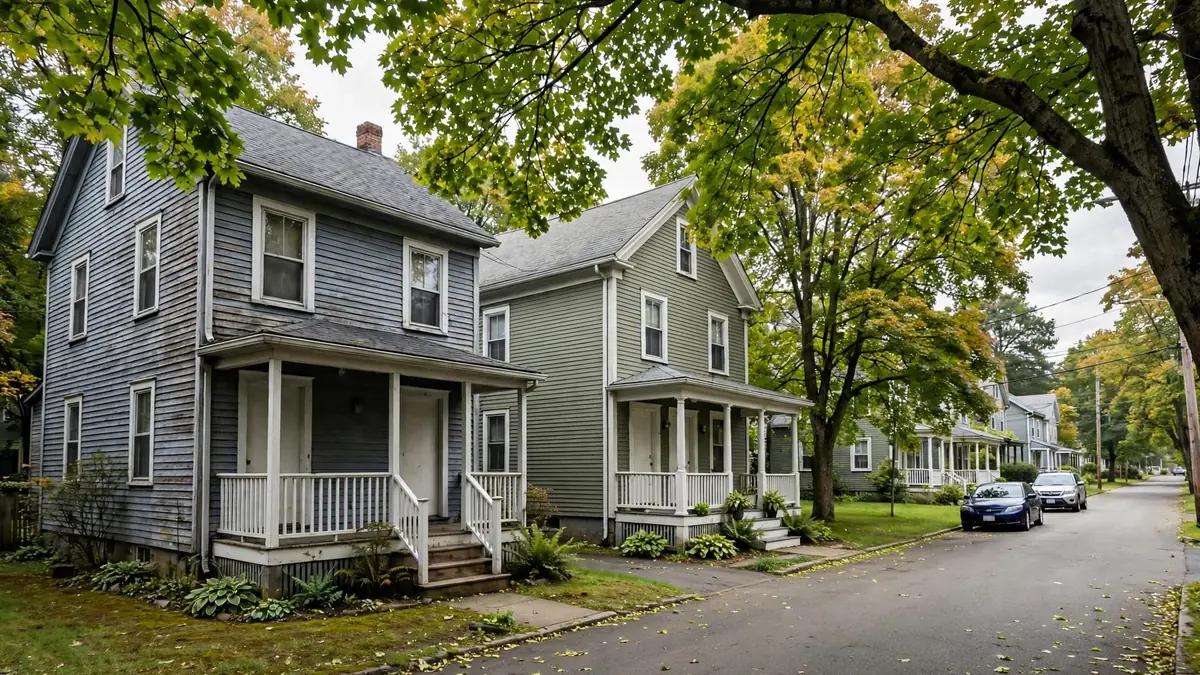
- Shotgun houses, often raised on piers, are thought to have originated in the city's Creole neighborhoods in the early 1800s [3].
Coverage
New Orleans areas covered
Calls from 22 New Orleans ZIP codes are connected to independent local water damage contractors. Neighborhoods include:
- Uptown and the Garden DistrictRaised Victorian shotguns, doubles and large historic homes on brick piers.
- Mid-City and Bayou St. JohnRaised shotguns and bungalows on streets that flood in heavy rain.
- GentillySlab and low-raised homes from the early and mid-20th century near the London Avenue Canal.
- New Orleans EastPostwar and later slab-on-grade subdivisions on reclaimed marsh.
- The Marigny, Bywater and TremeCreole cottages and shotguns, many close to the ground.
- LakeviewHomes near the lake, many rebuilt or raised after 2005.
City overview
Why New Orleans houses meet water differently
New Orleans sits in a natural bowl between the Mississippi River and Lake Pontchartrain. The highest ground follows the river and old ridges such as the Gentilly Ridge; the lowest areas, drained from swamp and marsh over the last century, lie below sea level. About half of the land between the river and the lake is at or below sea level, with no natural outlet for rain, so nearly all rainfall has to be pumped out [1].
That geography explains a great deal about water damage here. When a summer downpour drops more rain than the pumps can handle, streets flood quickly, and water can push into homes that sit close to the ground. When a hurricane threatens, the levees and floodwalls hold back the lake and the river. And over time, the land has been sinking in parts of the city as soils drain and compact [1], which affects slabs, pipes and drainage at the scale of a single house.
Housing follows the elevation. The older, higher neighborhoods near the river are full of raised shotguns, doubles, Creole cottages and Victorian homes on brick piers. Lower neighborhoods developed after drainage improvements, such as parts of Gentilly and New Orleans East, have more mid-century and later homes, many built on slabs. A water damage contractor working in the city needs to understand both.
What contractors see
Water damage patterns common in New Orleans homes
These issues come up again and again in the city's houses.
Street flooding at the door
Heavy rain fills streets faster than drains can clear them, and water can reach low thresholds and slab homes.
Wet crawlspaces under raised homes
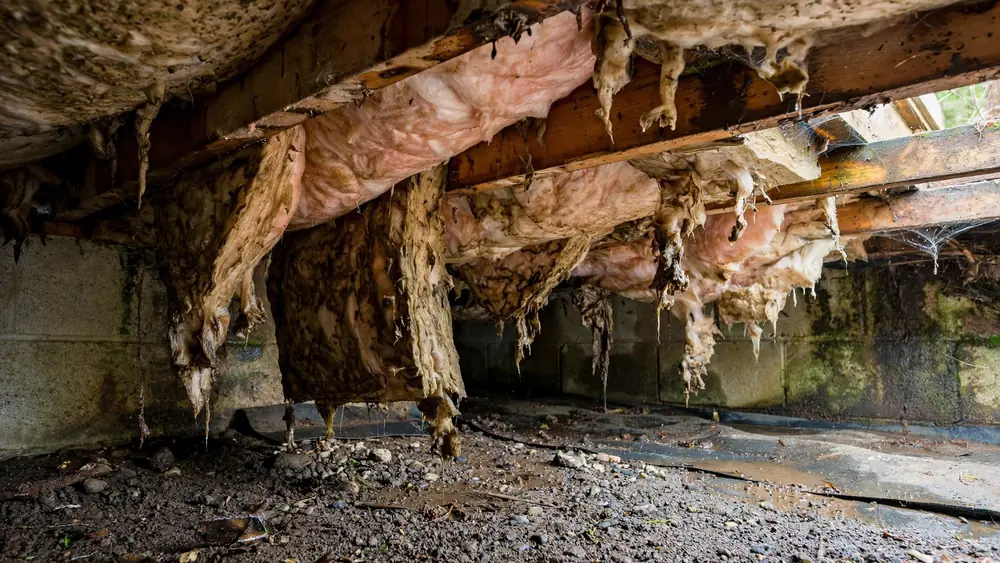
Water under shotguns and cottages soaks insulation and keeps the floor framing damp.
Roof leaks in older homes
Older roofs, chimneys and complex rooflines leak in hurricanes and summer storms.
Plaster and lath walls
Historic plaster dries differently from drywall and may hide old paint layers.
Sewer backups in storms
When the system is overwhelmed, the lowest drains in nearby homes can back up.
Read moreHumidity and mold
Heat and humidity let mold start quickly on any damp material.
Read more
Raised homes
Water damage in New Orleans shotguns and Creole cottages
The shotgun house, a narrow home with rooms lined up one behind the other, is one of the city's signature building types. Architectural historians have suggested it originated in the Creole suburbs of New Orleans in the early 1800s [3], and thousands survive in Uptown, Mid-City, the Marigny, Bywater and Treme. Creole cottages, built close to the street with steep roofs, are another common form [4]. Many of these homes sit on brick piers a few feet above the ground.
That elevation is a real advantage in moderate street flooding: water can pass under the house without reaching the floor. But it also means the floor framing, subfloor and any insulation underneath are exposed to whatever collects below. After heavy rain or a flood, a contractor working on a raised New Orleans house checks the crawlspace as carefully as the rooms above, removing wet insulation and drying the joists so moisture does not rise into the house.
Inside, older raised homes often have plaster on wood lath, tall ceilings, heart pine floors and original millwork. Plaster is harder and denser than drywall and often dries in place if the water was clean, but it hides old paint layers that may contain lead, so contractors should check before sanding or removing anything in a pre-1978 home [5].
Slab homes
Water damage in Gentilly, Lakeview and New Orleans East
Lower parts of the city filled in with houses after drainage made them buildable. Gentilly mixes early 20th-century bungalows on the higher ridge with mid-century homes on lower land. New Orleans East grew largely in the postwar decades, with slab-on-grade subdivisions on reclaimed marsh. Lakeview sits near the lake on land raised in the early 20th century.
These areas took the worst of Katrina. In Gentilly, the London Avenue Canal floodwalls were breached in two places and most of the area flooded [6]; most of New Orleans East flooded severely from the storm and the levee failures [7]. Many homes were gutted and rebuilt, and some were raised.
For water damage today, slab homes here behave like slab homes anywhere: water spreads across the concrete and under every wall it touches. The difference in New Orleans is how often heavy rain tests them, and how many have a history of flooding that affects insurance, building rules and how they were rebuilt.
The process
How a New Orleans water damage job usually runs
- 1
Call and describe
Explain where the water came from, which rooms are affected and whether the home is raised or on a slab.
- 2
Safety and power
The contractor checks electrical hazards, ceilings and, for raised homes, access under the house.
- 3
Extraction
Standing water is removed from floors, carpet and, where needed, the crawlspace.
- 4
Remove what cannot be saved
Soaked pad, insulation and drywall or plaster damaged beyond drying are removed and documented.
- 5
Dry room by room
Dehumidifiers and air movers run with the house closed against humid outdoor air, with daily readings.
- 6
Check under the house
Crawlspace framing and ground moisture are dried and checked on raised homes.
- 7
Confirm and rebuild
When readings meet dry goals, repairs and rebuilding begin.
Housing types
New Orleans housing types and their water risks
A guide to how common local houses tend to take on water.
| Housing type | Where common | Main water risks | Drying notes |
|---|---|---|---|
| Raised shotgun or double | Uptown, Mid-City, Bywater, Treme | Crawlspace water, roof leaks, plumbing under the floor | Dry framing from below and above |
| Creole cottage | Marigny, Treme, French Quarter edges | Low floors near street level, roof valleys | Plaster and old wood need careful drying |
| Victorian and Greek Revival homes | Garden District, Esplanade | Large roofs, chimneys, plaster ceilings | High ceilings, lots of volume to dehumidify |
| Mid-century slab home | Gentilly, New Orleans East | Street flooding, slab moisture, attic air handlers | Lift flooring, dry slab and wall bases |
| Rebuilt or raised post-2005 home | Lakeview, Gentilly, the East | Roof and plumbing leaks; under-house storage | Open undersides dry faster |
Street flooding
When New Orleans streets fill with rain
The pumping system can move a remarkable amount of water, more than 45,000 cubic feet per second [1], but intense rain can still fall faster than it drains. When that happens, low streets fill within minutes, and water pushes against curbs, driveways and front steps. Homes built close to the ground can take on water through doors and slab edges; raised homes may see water under the house.
Floodwater from streets is contaminated by whatever was on the road and in the drains, so carpet, pad and soaked drywall it reaches are usually removed rather than dried. Our flood water cleanup page explains the process. The Sewerage and Water Board operates the city's drainage, water and sewer systems [8] and publishes service information.
Hurricanes
Hurricane history and New Orleans homes
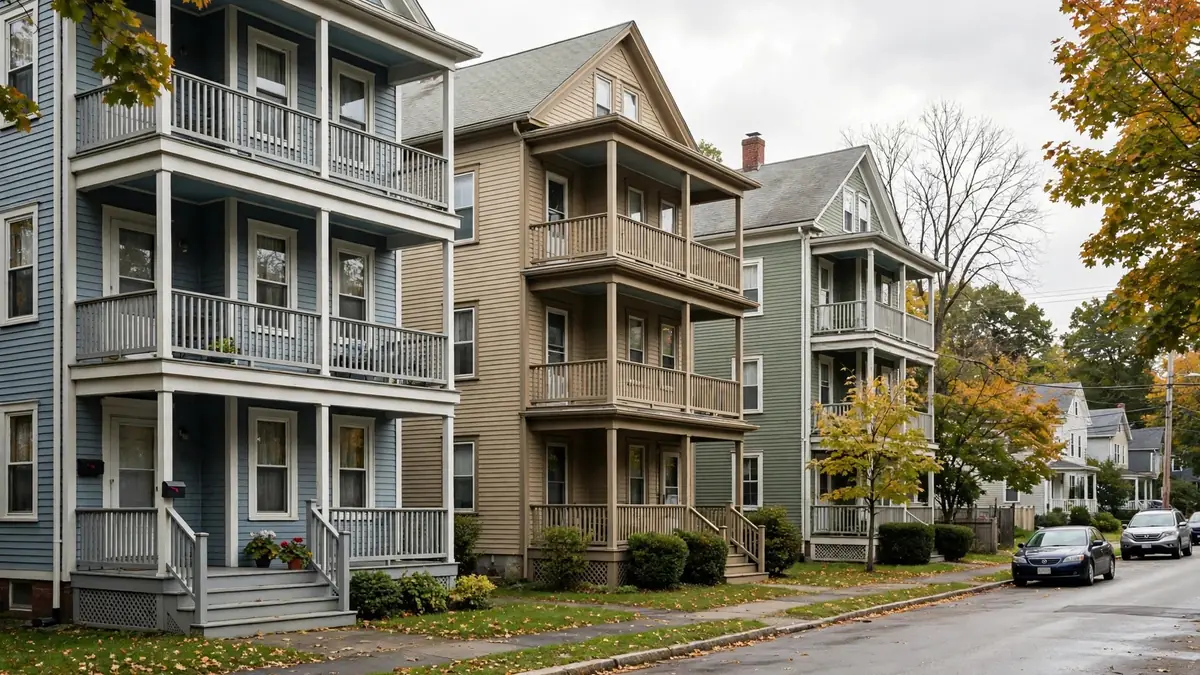
Hurricane Katrina in 2005 is the event every New Orleanian measures others against. By August 31, about 80 percent of the city was flooded, some areas under more than a dozen feet of water [2]. The floods were caused largely by failures of levees and floodwalls, and the rebuilding that followed reshaped many neighborhoods: houses were gutted to the studs, raised, rebuilt or replaced.
Since then, the hurricane protection system has been rebuilt and strengthened. When Hurricane Ida struck in 2021, the city's levees held, but power line damage was extensive throughout the city [9], and many homes had roof damage and water coming through ceilings while the power was out. That pattern, wind and rain damage with long outages, has become a common post-storm reality.
For a homeowner, the lesson is that storm water damage in New Orleans now often comes from above, through damaged roofs and windows, as much as from rising water. See storm and roof leak water damage for how that is handled.
Local details
New Orleans details that affect a water damage job
Things a contractor working in the city should know.
- Historic districtsExterior changes to homes in local historic districts may need review; ask before replacing windows, doors or siding.
- Lead paint in older homesPre-1978 paint on plaster and woodwork may contain lead; ask before sanding or removing [5].
- Narrow lots and accessShotgun lots leave little room for equipment; hoses may run through the house.
- Parking and permitsTruck-mounted equipment needs street access, which is tight in some neighborhoods.
- Sewer and drainageThe Sewerage and Water Board runs water, sewer and drainage [8].
- Contractor licensingCheck Louisiana contractor licenses through the State Licensing Board for Contractors [10].
Humidity
New Orleans humidity and drying
Few places in the country are as humid as New Orleans in summer, and the air stays damp for much of the year. That has a simple consequence for water damage: opening windows does not dry a house here. Contractors seal the house and run dehumidifiers instead, sometimes for longer than they would in a drier climate.
Older raised homes add a twist. Their floors have gaps between boards and are open to the crawlspace below, so humid air moves through them constantly. Drying a room above a wet crawlspace is difficult until the crawlspace itself is dried, which is why crawlspace drying is such a common part of New Orleans jobs.
Mold follows humidity. The EPA advises drying wet materials within 24 to 48 hours [11]. In August in New Orleans, that window is short, and a house with wet walls and no power can grow mold within days.
Common jobs
Common water damage calls in New Orleans
These are typical situations behind calls from the city.
Water under the house after rain
Crawlspaces that flood in heavy rain and stay wet.
Ceiling leaks in storms
Roof damage in older homes during hurricanes and thunderstorms.
Burst pipes under raised floors
Exposed plumbing under shotguns in rare hard freezes.
Read moreBackups in heavy rain
Sewage rising through the lowest drains.
Read more
Prevention
Protecting a New Orleans home from water
Practical steps for the city's conditions.
- Keep catch basins clearClearing leaves and debris from the storm drain in front of your house helps street water drain.
- Check the crawlspace after stormsLook under raised homes after heavy rain for standing water or sagging insulation.
- Maintain the roofOlder roofs, chimney flashing and valleys need regular checks before hurricane season.
- Raise valuablesStore important items off the floor and out of crawlspaces.
- Carry flood insuranceStandard homeowners policies generally exclude flood [12].
- Know your elevationYour home's elevation and flood zone affect both risk and insurance.
Decision aid
Which New Orleans water problem do you have?
Use the source to point to the right service.
| What you see | Likely source | Where to start |
|---|---|---|
| Water at the door after rain | Street flooding | Flood water cleanup |
| Puddles under the house | Rain, drainage or a leak below | Crawlspace drying |
| Ceiling stain after a storm | Roof or window damage | Storm and roof leak water damage |
| Water from a wall or under a sink | Supply or drain leak | Burst pipe water damage |
| Sewage in a tub or floor drain | Sewer backup | Sewage backup cleanup |
| Musty smell, no visible water | Hidden moisture | Mold prevention after water damage |
Insurance
Insurance considerations for New Orleans homeowners
Most New Orleans homeowners deal with two policies when water gets in: a homeowners policy that may cover sudden leaks and storm damage to the roof and walls, and a flood policy, often through the National Flood Insurance Program, for rising water [12]. Which one applies depends on where the water came from, so documentation matters.
After a hurricane, you may need to file with both. Photograph the water line from rising water separately from ceiling stains and roof damage, and keep the contractor's moisture readings. Our guide to working with your insurance adjuster explains the process in more detail.
Nearby
Areas near New Orleans
Calls from nearby communities are also connected. Metairie and Kenner cover much of East Jefferson Parish across the parish line. Across the lake, Slidell and Covington and Mandeville serve the Northshore. Calls from covered West Bank communities such as Gretna, Harvey, Marrero and Westwego, and from Chalmette, are connected as well.
Who answers for what
Sewerage and Water Board, private lines and New Orleans drains
New Orleans relies on the Sewerage and Water Board for water, sewer and drainage, and on a pumping system to lift rain out of the bowl. When a street fills during a heavy storm, a homeowner can do little about the system itself, though it helps to keep the catch basin near your home clear of leaves and debris if it is safe to do so.
Lines on private property are another matter. If dark water rises in a tub or floor-level fixture on a dry day, the blockage may lie in your own line, and a plumber can check it before any cleanup begins. Report a suspected public main problem to the utility, and keep notes on who you spoke with and when, since those notes may help with a later insurance question.
Boil advisories are also worth watching after storms and pressure losses. Follow official notices before using tap water for drinking or cooking, and remember that water used in cleanup should be as clean as you can get it.
Older houses
Handling old floors, plaster and trim in New Orleans homes
Many raised New Orleans houses have old wood floors, tall plaster walls and detailed trim that are difficult to replace. Before any removal, photograph the trim and number the pieces if they are to go back. Plaster on lath can often stay if it remains firmly attached, though it dries slowly and should be tested for lead before anyone disturbs old paint.
Cupped floorboards deserve patience. They may flatten considerably as the floor dries from both sides, so sanding or replacement is best left until readings settle. Because air moves under a raised house, the crawlspace and the living area are best dried as one system. A floor drying only from above can stay damp on its underside for far longer than expected.
Local historic district rules may affect visible exterior work on some properties, so check with the city before replacing original windows, doors or siding. Interior drying rarely raises these questions, but a quick call before exterior repairs can prevent having to redo work later on. Ask the contractor how they would protect these features, and ask to see the moisture readings for them at each visit, so that you can follow the progress yourself over the full course of the job.
FAQ
New Orleans water damage questions
Do raised New Orleans homes still get water damage?
Yes. Raising a house keeps the floor above minor flooding, but water collects underneath, soaking insulation and floor framing. Roof leaks and plumbing under the floor also cause damage.
Why does my street flood when it rains hard?
About half of the land between the river and the lake is at or below sea level, so rain has to be pumped out. Intense downpours can fall faster than drains and pumps can clear them.
Can plaster walls be dried after a leak?
Often, if the water was clean and drying starts quickly. Plaster is dense and dries more slowly than drywall. Ask about lead paint before any sanding or removal in older homes.
Is street floodwater dangerous?
It can carry sewage, fuel and debris. Treat anything it soaked as contaminated, wear boots and gloves, and keep children and pets away.
What should I check after a hurricane?
The roof from the ground, the attic, ceilings in every room and, for raised homes, the crawlspace. Photograph everything before cleanup.
Do I need a permit for repairs in a historic district?
Exterior changes in local historic districts may need review, and structural, electrical and plumbing repairs need permits. Ask the contractor and the city before work starts.
Are all New Orleans ZIP codes covered?
Calls from 22 New Orleans ZIP codes are connected. Call and you will find out on the call whether your address is served.
Who will come to my house?
A New Orleans-area contractor, independent of this site, who takes your call directly; what happens next is agreed between the two of you.
Nearby
More around New Orleans
Back to all of Louisiana. Nearby pages: Baton Rouge, Covington and Mandeville, Denham Springs and Walker, Metairie and Kenner, Shreveport and Bossier City, Slidell.
Related help for New Orleans: water extraction, structural drying, sewage backup cleanup, fire damage restoration and smoke damage cleanup. First time dealing with this? Read the first hours after water damage.
Sources and citations
- [1]Wikipedia — Drainage in New Orleans
- [2]Wikipedia — Effects of Hurricane Katrina in New Orleans
- [3]Wikipedia — Shotgun house
- [4]Wikipedia — Creole cottage
- [5]U.S. EPA — Protect your family from sources of lead
- [6]Wikipedia — Gentilly, New Orleans
- [7]Wikipedia — New Orleans East
- [8]Sewerage and Water Board of New Orleans
- [9]Wikipedia — Hurricane Ida
- [10]Louisiana State Licensing Board for Contractors
- [11]U.S. EPA — A brief guide to mold, moisture and your home
- [12]Wikipedia — National Flood Insurance Program