
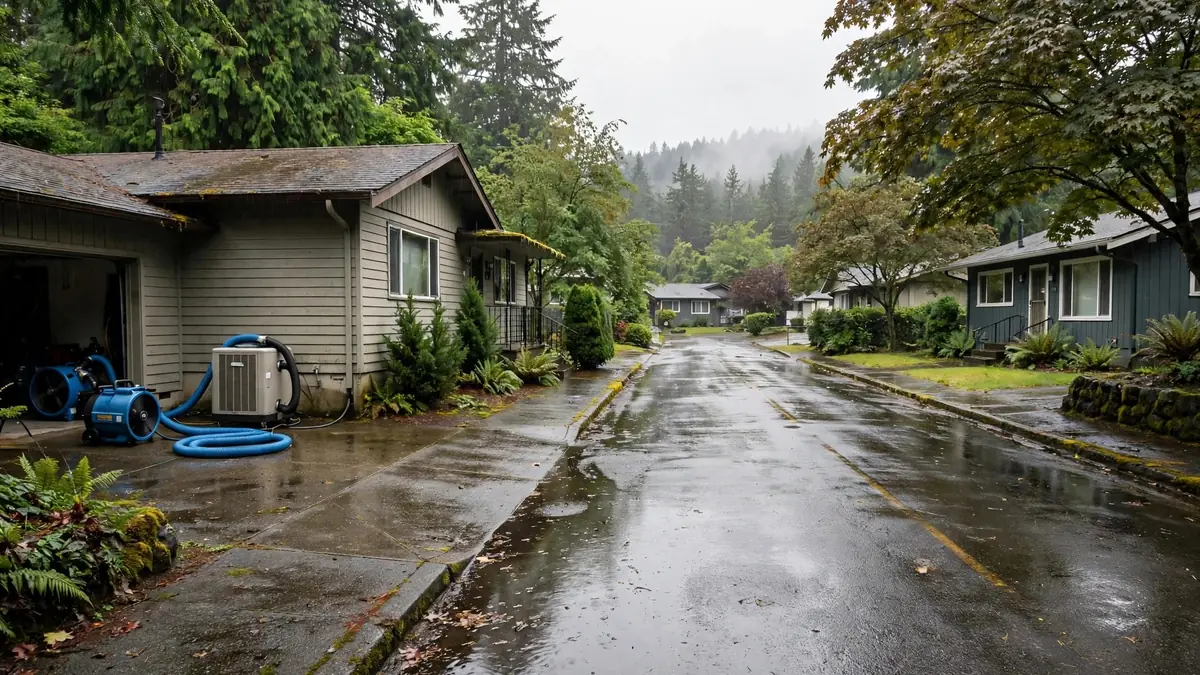
Key facts: Metairie and Kenner
- Metairie has a listed elevation of 3 feet and averages about 62.5 inches of precipitation a year [1].
- Kenner's listed elevation is 7 feet below sea level, between Lake Pontchartrain and the Mississippi River [2].
- On May 8, 1995, upwards of 20 inches of rain fell on Metairie in 12 hours [1].
- Developers drained and filled swampland in northern Kenner starting in the late 1950s [2].
- Metairie is unincorporated, while Kenner is a city, which affects who handles local permits [1] [2].
Where this covers
Metairie, Kenner and nearby east bank communities
The coverage list includes ZIP codes across these communities. Confirm your own ZIP code on the call.
- MetairieAn unincorporated community running from the 17th Street Canal on the New Orleans side to Kenner, and from the lake to the railroad tracks. Old Metairie, along the old ridge, has the oldest tracts.
- KennerJefferson Parish's most populous city, with the airport inside its limits and the lake and river at either end.
- West bank neighborsGretna, Harvey, Marrero and Westwego also appear on the coverage list, across the river, with their own drainage and permit arrangements.
The land
Why rain is the first concern on this part of the east bank
Most flood stories in this region begin with the Gulf, but Jefferson Parish has shown that a storm does not need a name to do serious damage. On May 8, 1995, upwards of 20 inches of rain fell on Metairie in about 12 hours. [1] That sort of rainfall overwhelms any drainage system built on flat land, and water gathers in the lowest streets and yards until pumps catch up.
The geography explains why. Kenner's listed elevation is 7 feet below sea level, [2] and Metairie's is 3 feet above it. [1] Water cannot simply run downhill to the lake, so canals, such as the one Veterans Boulevard was laid out beside, carry it to pumps. A power failure, a blocked inlet or sheer volume can leave streets full long enough for water to reach the door of a slab home.
Rainfall is plentiful even in an ordinary year. Metairie averages about 62.5 inches of precipitation annually. [1] For homeowners, that means roofs, gutters, window seals and door thresholds get plenty of testing, and small leaks have plenty of chances to become big ones.
The old natural ridge is a key local detail. Metairie takes its early road and streetcar line from a slightly higher strip of land, where upscale tracts were built in the 1920s and became known as Old Metairie. [1] Further from the ridge, land drops away and subdivisions came later. Height differences that seem tiny on a walk can be the difference between a wet driveway and a wet living room.
What shows up here
Water damage patterns typical of East Jefferson
These are general patterns based on the land and housing here, not a record of particular jobs.
Rain flooding on slab floors
A slab close to grade takes water straight across floors and into the bottom of the walls during extreme rainfall.
Roof leaks after wind
Hurricane winds lift shingles and open flashing, and rain follows into attics and ceilings long after the storm.
Attic and slab plumbing leaks
Water heaters in attics and lines run overhead can soak ceilings below when they fail.
Read moreDrain backups in heavy rain
Low fixtures can be first to show trouble when sewer lines are under strain, and that water is contaminated.
Read more
Housing
Ridge houses, ranch homes and northern Kenner subdivisions
Metairie's urbanization began in the 1910s, and by the 2019 American Community Survey it had about 61,354 housing units, 59 percent of them owner occupied. [1] That leaves a sizeable share of renters, and landlords and tenants each need to know who reports what after a loss. Kenner's growth sped up in the late 1950s, when developers drained and filled swampland in the northern half of the city. [2]
Building on drained, soft ground has a known side effect: soil can settle over time. [3] Across a region like this, settlement can leave older houses lower in relation to the street than they were when first built, so a look at where your slab sits against the road is worthwhile. A house that stayed dry in one storm is not guaranteed to stay dry in the next.
Inside a slab home, flood water affects flooring and the lower wall first. Carpet and padding will soak quickly, and vinyl and tile can trap water on top of the concrete. Drywall wicks moisture upward. Our guide to wet drywall goes through how the decision to cut is made, and it applies directly to these homes.
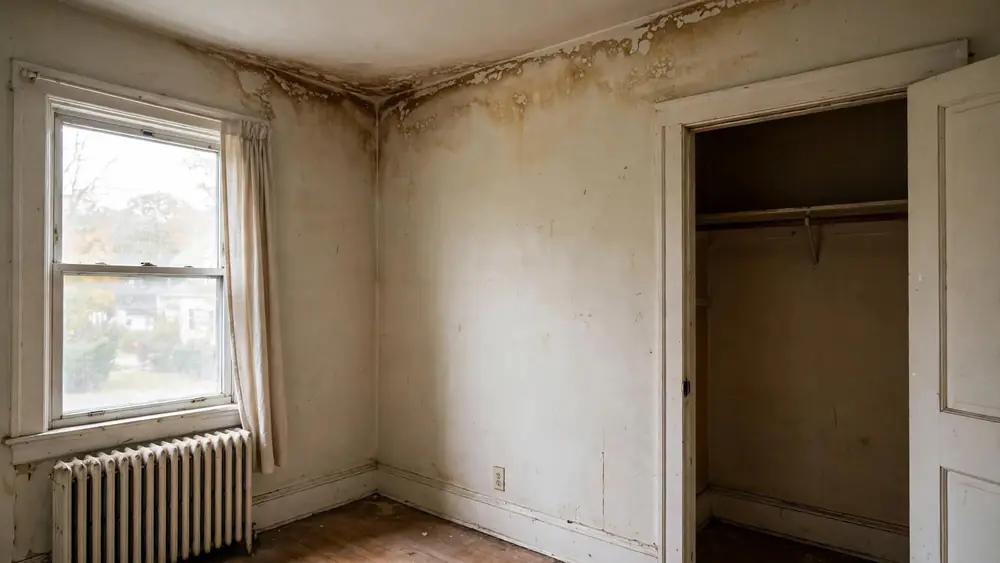
Older ridge houses bring their own considerations. Some may have plaster and original wood floors, and homes built before 1978 may contain lead paint. [4] Those materials change both how the wall is dried and how carefully it must be opened. Ask your contractor how they check for lead and asbestos before cutting anything.
Close to the runway
Kenner's location and what it means for access
Louis Armstrong New Orleans International Airport sits inside Kenner's limits, just south of Interstate 10. [2] For water damage work this is mostly an access detail: expect traffic around the airport and I-10, and let the contractor know exactly where you are when you describe your property on the call.
Kenner's long shape also matters. It reaches from the lake to the river, so one part of the city can face different conditions from another during the same storm. Describe your nearest cross streets, and do not assume a neighbor's experience across town applies to you.
Storm history
Hurricanes that have tested this area
Older records show that this part of the parish has flooded deeply before modern protection. During a 1947 hurricane with 125 mph winds, much of Metairie ended up under 6 feet of water, and Hurricane Betsy in 1965 brought heavy wind damage and moderate flooding. [1] Hurricane Katrina in 2005 prompted many Orleans Parish residents to move to the community. [1]
More recently, Hurricane Ida in 2021 struck southeast Louisiana hard. [5] For many Jefferson Parish homes, the concern in such storms is wind and rain rather than rising water alone. When a roof opens, the first signs may be stained ceilings or wet insulation, and if the power stays off afterward, drying gets delayed and mold becomes more of a risk. The storm and roof leak page covers this in detail.
The insurance side follows the same split. Louisiana's insurance department explains that wind-driven rain through storm damage is generally a homeowners matter, flood damage belongs under a flood policy, and that both should be notified if you experienced both. [6] Homes here may well see both in one event.
How it usually runs
What a water damage job looks like in a Metairie or Kenner house
- 1
The call
You give your ZIP code and describe the source, the rooms involved and whether power is safe.
- 2
The walk-through
A contractor, if you choose to arrange one, checks for hazards and maps wet areas with meters.
- 3
Water removal
Standing water is pumped or extracted, and wet carpet and padding are lifted where needed.
- 4
Deciding what goes
Flood water usually means cutting drywall and removing porous items. Clean plumbing leaks may allow more to stay.
- 5
Closed-up drying
Dehumidifiers and air movers run with the house closed against humid outdoor air.
- 6
Readings and records
Moisture is logged at each visit, and the records can go to your insurer.
Compare
Matching a Jefferson Parish water problem to the right help
Use this to decide what to read next.
| What happened | Likely source | Read |
|---|---|---|
| Water came in under the door during a downpour | Rain flooding | Flood water cleanup |
| Ceiling stain after high winds | Roof or flashing damage | Storm and roof leak water damage |
| Water coming through a ceiling in calm weather | Plumbing or attic water heater | Burst pipe water damage |
| Dark water in a tub or shower | Sewer line | Sewage backup cleanup |
| Musty smell with nothing visibly wet | Hidden moisture | Structural drying |
Permits
Who to ask about permits: parish or city
Boundaries here decide which office you deal with. Metairie is an unincorporated community, so it has no city hall of its own and falls under Jefferson Parish government. [1] Kenner is an incorporated city within the same parish. [2] Before major repairs, confirm with the proper office whether a permit is needed, especially if your home has been substantially damaged and sits in a flood zone.
This matters because substantial damage rules in mapped flood zones can require a home to meet current floodplain standards as part of its repair. Drying and removing wet materials usually come first, but rebuilding decisions should wait until you know what applies. Your contractor can explain what they typically handle, and the responsible local office has the final word.
Those who rent should check their lease and tell the owner about any damage. If you own a condominium, the association's policy may apply to the structure and your own policy to the interior, so both should be notified. A multifamily building adds shared walls and shared ceilings, so a leak upstairs may affect several households at once.
Climate
Keeping a house dry in air this humid
Southeast Louisiana's warm, humid conditions mean moisture rarely leaves a building on its own. The EPA suggests keeping indoor relative humidity between 30 and 50 percent where possible, [7] and that takes work here. A properly sized air conditioner helps, as do bath fans that actually vent outside.
If your system has been running but rooms still feel clammy after a leak, the house may still be holding water. A contractor can compare readings from wet and unaffected materials and show you where things stand. Our drying timeline guide describes what you should expect from that process.
Slab homes also face a slower kind of moisture. Water sitting against the outside of a low slab after heavy rain can find its way to flooring and baseboards, and repeated dampness may show up as lifting vinyl planks, musty closets or peeling paint low on the wall. These signs deserve a closer look even without any obvious single event.
Before the next storm
Practical steps for Metairie and Kenner homeowners
None of these takes the place of insurance or professional advice, but each one can reduce damage.
- Know your flood zoneCheck official FEMA maps, and remember that flooding happens outside mapped zones as well.
- Review both policiesFind out your named storm deductible and whether you carry flood coverage. The state notes deductibles are typically 2 to 5 percent of insured value. [6]
- Clear drains and guttersKeep street inlets and gutters clear of debris before heavy rain, if it is safe to do so.
- Lift what mattersStore documents and valuables up high, and keep electronics off the floor in low rooms.
- Photograph your home nowPictures taken in dry times make any later claim easier to support.
- Check the atticLook at your water heater pan and drain line, and at the condition of roof decking from inside.
Getting help
What to ask a contractor working in East Jefferson
You can check a contractor with the [Louisiana State Licensing Board for Contractors](https://lslbc.louisiana.gov/) [8] and ask for proof of insurance. Ask whether their drying records show dated moisture readings and how they will separate flood-related work from wind-related work for your claim paperwork, if you have both.
After a major storm, many homes will need help at once. Be cautious with anyone pressing you to sign immediately or asking you to hand over insurance rights before you have read the paperwork. The call on this site connects you with an independent contractor, and you are free to take time before deciding. Ask directly about timing rather than assuming, since it depends on conditions and demand.
Nearby
Areas near Metairie and Kenner
Directly across the 17th Street Canal, New Orleans has different housing and a separate water and sewer authority. Across Lake Pontchartrain, the Causeway leads from Metairie to the Northshore communities of Covington and Mandeville, and Slidell lies to the northeast. If your property is in another parish, say so at the start of the call.
Water heaters
Attics, closets and failures on calm days
Not every Jefferson Parish loss involves weather. Water heaters and air handlers are often placed in attics or closets, and a clogged condensate line can overflow into a ceiling during ordinary summer use. A pan with a working drain line and a float switch can catch small overflows. Check them before cooling season, and look for rust and old stains. A stain below an air handler in July usually points to the unit and not to the roof, and that distinction is useful when you explain the loss to a contractor or your insurer.
Also check hoses under sinks and behind washing machines. These are simple to replace and quick to inspect. If you leave for an evacuation or a long trip, closing the main valve removes the risk of a supply line running for days with nobody home. Show everyone in the household where that valve is before storm season starts, and test that it still turns freely, because old valves can seize after years without any use at all.
After Ida
What a long outage does to a wet Jefferson Parish house
Hurricane Ida made landfall near Port Fourchon on August 29, 2021, with 150 mph sustained winds, tying the strongest landfall winds on record for Louisiana. [5] Major damage was reported in Jefferson Parish and a large part of the parish lost power. [5] Lower Jefferson, outside the post-Katrina protection system, saw about 8 feet of water overtop its levees, [5] which is a very different event from what most East Jefferson homes faced behind their levees.
For a house with a torn roof and no electricity, the problem compounds daily. Without air conditioning, indoor humidity climbs; without power, dehumidifiers do not run; and in late August, heat speeds up every biological process in a wet wall. If you are in that position, the practical priority shifts from drying to removal. Taking out soaked ceiling board, attic insulation and carpet lowers the amount of water the house is holding until equipment can run.
Generators need real discipline. Three carbon monoxide deaths were reported in Jefferson Parish on September 2 after Ida. [5] Run a generator outdoors, far from doors and windows, and never in an attached garage. Keep cords out of standing water, and do not feed power back through a dryer outlet, which can endanger people working on the lines. Battery carbon monoxide alarms are worth having before storm season.
Before you sign
Paperwork to sort out after a parish-wide storm
When many homes are hit at once, good records keep your claim moving.
- A dated roof recordPhotograph the roof from the ground and the attic from inside, as soon as it is safe, along with any tarps and their receipts.
- Separate lists for wind and waterIf rain came through the roof and water also rose from the street, keep the two kinds of damage in separate photo folders.
- The first moisture readingsAsk for readings from the first visit, since they show what was wet before any work began.
- Who is working for whomKnow whether a person at your door represents an insurer, a contractor or a public adjuster, and ask for it in writing.
Apartments and condos
Renting or sharing walls in Metairie and Kenner
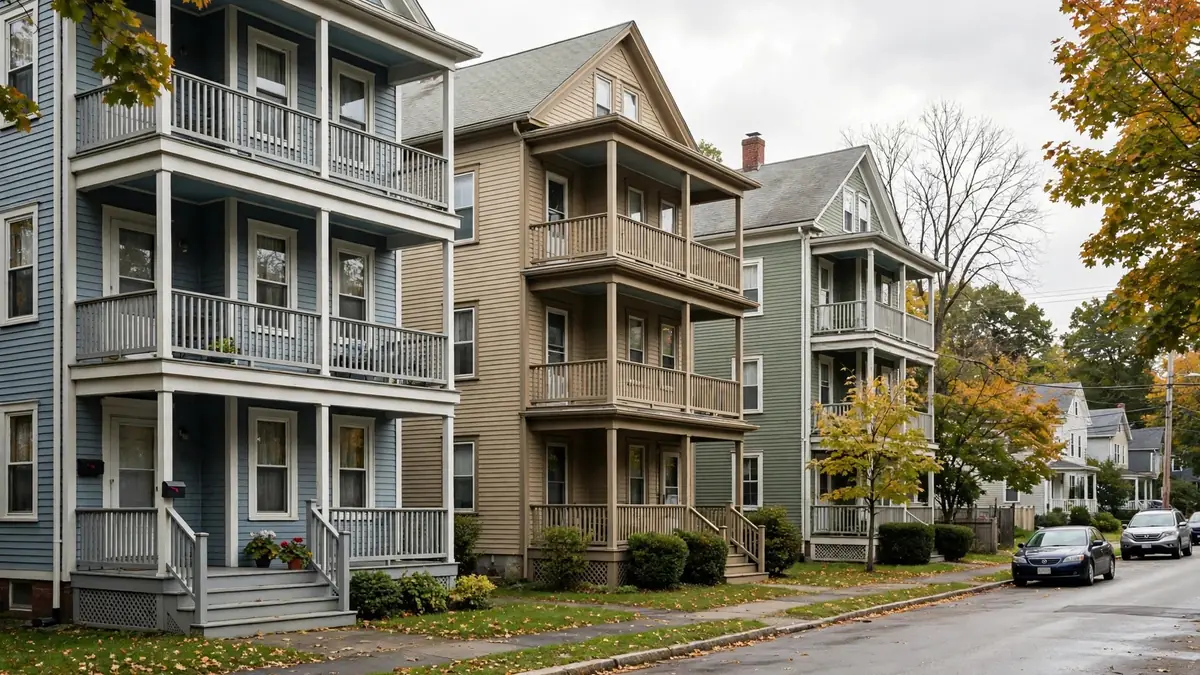
With roughly four in ten Metairie housing units not owner occupied, [1] many people reading this will not control the roof or the plumbing. A tenant's job is to report quickly, in writing, and to document personal belongings. Moving your things away from a wet wall is reasonable, but opening walls or hiring a contractor for the building usually is not your call.
In a two-story complex, one failed water heater or supply hose can affect the units below and beside it. Tell your neighbors, because they may not know their wall is wet. Ask the property manager who is coordinating drying, and make sure equipment in shared spaces has been cleared with the association, particularly where shared electrical circuits limit what can run.
FAQ
Questions from Metairie and Kenner homeowners
Can my home flood from rain even if I am not near a river?
Yes. In May 1995, upwards of 20 inches of rain fell on Metairie in 12 hours. [1] On low, pumped land, heavy rain alone can reach slab homes.
Is rain flooding covered by my homeowners policy?
Water rising from the ground generally falls under flood insurance, according to the state. [6] Rain coming through wind damage is usually treated differently, so check your own policy.
Metairie has no city hall. Who do I ask about permits?
Metairie is unincorporated, so start with Jefferson Parish government. Kenner has its own city government. Confirm before starting any major repairs.
My slab floor looks dry. Could water still be trapped?
Yes, particularly under vinyl, tile and laminate. A moisture meter and sometimes removal of a small section can confirm it. See structural drying.
Should I take up my flooring straight away?
Photograph it first and tell your insurer. Contaminated carpet and padding usually need to go soon, while other flooring decisions depend on the water source and readings.
Can you promise someone will come today?
No. The site cannot promise a timeframe. Ask the contractor on the call, particularly after a widespread storm.
Nearby
More around Metairie and Kenner
Back to all of Louisiana. Nearby pages: Baton Rouge, Covington and Mandeville, Denham Springs and Walker, New Orleans, Shreveport and Bossier City, Slidell.
Related help for Metairie and Kenner: water extraction, structural drying, sewage backup cleanup, fire damage restoration and smoke damage cleanup. First time dealing with this? Read the first hours after water damage.
Sources and citations
- [1]Wikipedia — Metairie, Louisiana
- [2]Wikipedia — Kenner, Louisiana
- [3]Wikipedia — Subsidence
- [4]U.S. EPA — Protect your family from sources of lead
- [5]Wikipedia — Hurricane Ida
- [6]Louisiana Department of Insurance — Guidance on filing a claim after a storm
- [7]U.S. EPA — A brief guide to mold, moisture and your home
- [8]Louisiana State Licensing Board for Contractors