
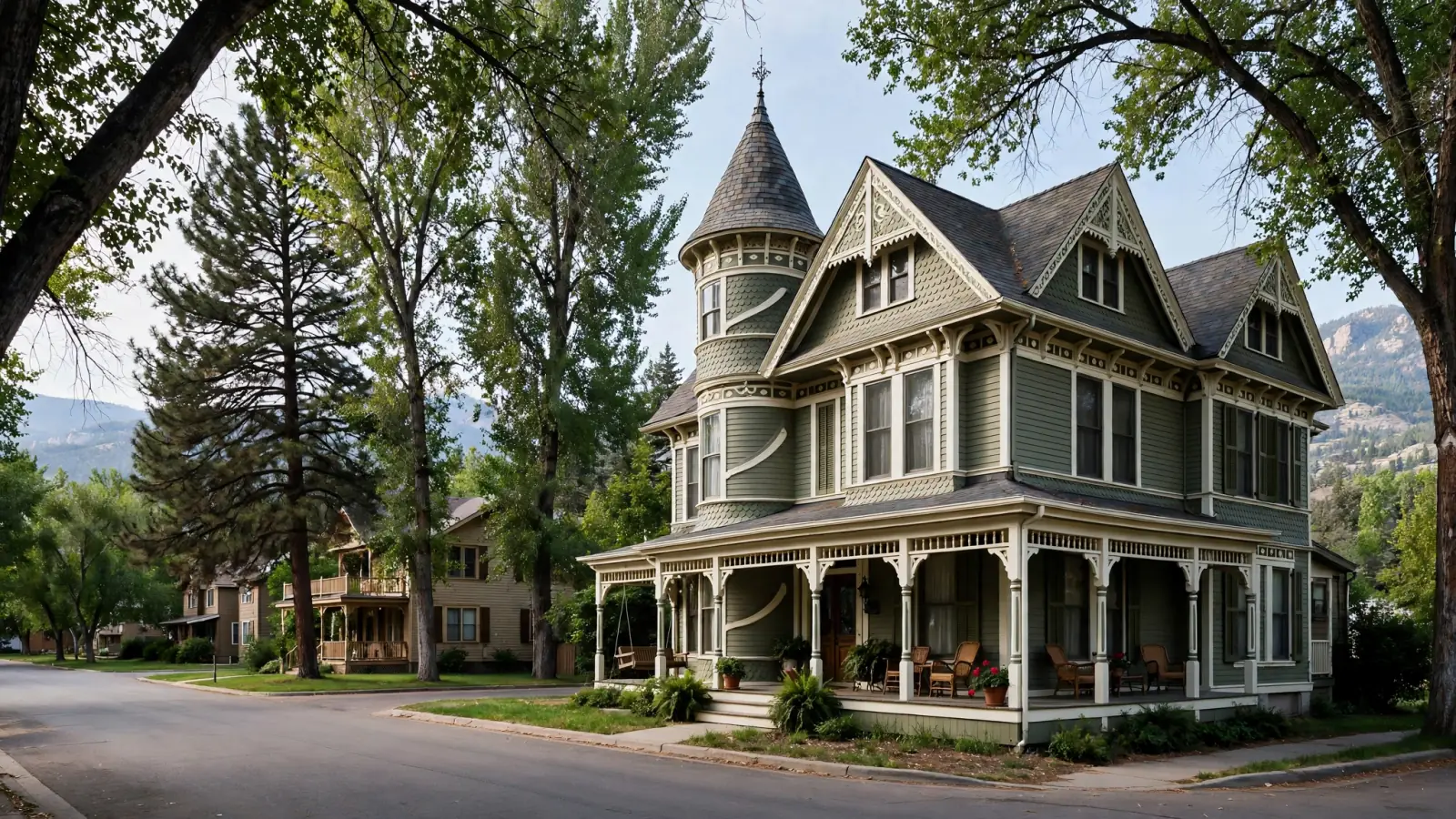
Key facts: Old North End
- The Old North End Historic District was listed on the National Register in 1982 and expanded in 2015 to 997 properties.
- Most houses date from an 1890s building boom; bungalows and Craftsman homes later filled lots between the Victorians.
- Tall open stairwells and deep attics let smoke rise quickly to upper floors in multi-story Victorian houses.
- EPA lead-safe rules apply when paid renovation disturbs painted surfaces in homes built before 1978.
Coverage
Old North End streets covered
Calls from ZIPs 80903 and 80907 can be connected with a contractor who works with older homes north of downtown.
- Old North End Historic District (80903 and 80907)The National Register district north of Colorado College, with its tree-lined avenues of Victorian and early twentieth-century houses. [2]
- North Weber and Wahsatch area (80903)The separately listed North Weber Street–Wahsatch Avenue district, part of which lies within the Old North End.
- Adjacent streets north of downtown (80903 and 80907)Older neighborhoods around the district with similar housing.
History
A Victorian neighborhood built in a decade
The Old North End owes its character to a building boom in the 1890s, fueled by gold-mining fortunes from Cripple Creek and the growth of Colorado Springs as a resort and residential city. [1] Many houses went up in a short span, mostly two- and three-story structures in the Victorian styles of the day, some designed by well-known architects. Later, bungalows and Craftsman houses filled vacant lots between the larger homes.
The neighborhood was listed on the National Register of Historic Places in 1982, and the district was expanded in 2015 to 997 properties. A separate district, North Weber Street–Wahsatch Avenue, was listed in 1985 and partly overlaps it. The area has an active neighborhood association that has worked for decades to preserve its character.
What is different
How Old North End houses respond to fire and smoke
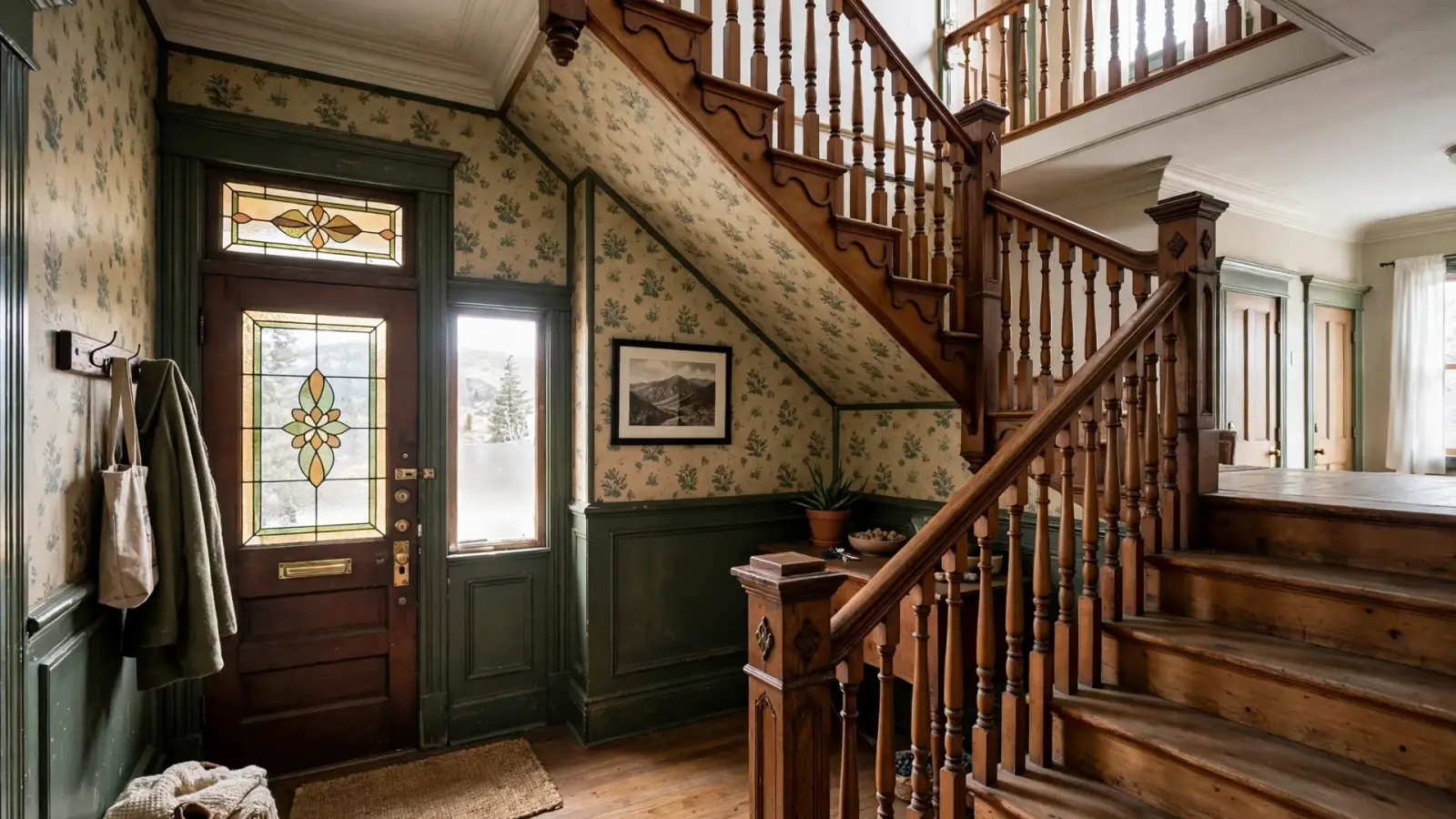
Tall open stairwells
Grand stairs and open halls act like chimneys, carrying smoke and heat to upper floors and attics.
Balloon framing
Many houses of this era have open wall cavities from basement to attic, spreading smoke inside walls.
Lime plaster walls
Plaster resists fire and cleans well but cracks with heat and loses its bond when soaked.
Ornate woodwork
Carved trim, paneling, built-ins and staircases need careful hand cleaning.
Attics and third floors
Deep attics and finished third floors collect smoke and heat.
Carriage houses
Detached carriage houses and garages behind many homes are separate structures with their own risks.
Smoke spread
How smoke moves through a three-story Victorian house
Victorian houses were built to move air: tall ceilings, transoms over doors, open stairwells and grand entry halls kept them cool before air conditioning. In a fire, those same features carry smoke up and through the house with remarkable speed. A kitchen fire on the ground floor can fill the upper floors and attic with smoke before the first floor is badly affected. Heat collects in the upper levels, so soot deposits are often heaviest on the top floor ceilings and in the attic.
Restoration therefore starts from the top: inspecting the attic and upper floors first, cleaning ceilings before walls, and working down the stairwell. Contractors often need scaffolding for stair halls with tall ceilings. Wall cavities in balloon-framed houses also carry smoke, so outlet boxes, baseboards and the tops of walls in the attic are checked for residue.
Woodwork
Cleaning smoke from Victorian woodwork and built-ins
Carved mantels, staircases with turned balusters, pocket doors, paneled wainscoting and built-in cabinets are the features owners most want preserved. Original finishes such as shellac and varnish respond well to careful cleaning; aggressive cleaners can strip or cloud them. Soot settles in carved details and must be lifted with soft brushes and dry sponges before any liquid is used. Painted woodwork, which often has many layers including lead-based paint, should be cleaned without sanding. [3]
Where heat damaged the finish, a refinisher may be needed. Where carved pieces charred, a millwork shop can sometimes reproduce them. Document every feature with photos before cleanup, both for the claim and for accurate repair.
Finishes
Old North End finishes and typical restoration approaches
| Feature | Smoke damage | Heat or water damage |
|---|---|---|
| Plaster walls and ceilings | Clean with dry-first methods | Repair cracks; re-attach or replace loose plaster |
| Shellac or varnished woodwork | Gentle cleaning and conditioning | Refinish or reproduce charred pieces |
| Painted trim (possible lead) | Clean without sanding | Lead-safe stripping or replacement |
| Hardwood floors | Clean and recoat | Dry promptly; refinish cupped boards |
| Stained or leaded glass | Specialist cleaning | Specialist repair |
| Tile fireplace surrounds | Clean tile and grout | Replace cracked tiles with matching pieces |
Restoration steps
Restoring an Old North End house after a fire
- 1
Fire department release first
Wait for the fire department's release. Have old wiring, gas lines and the furnace checked if they were near the fire or water.
- 2
Weatherproof the shell
Board openings and tarp roof damage; protect stained glass, original doors and windows from further damage.
- 3
Document features
Photograph woodwork, plaster details, fireplaces and fixtures in every room before cleaning.
- 4
Test materials
Test for lead paint and asbestos where surfaces will be disturbed. [4]
- 5
Start at the top
Inspect and clean the attic and upper floors first, then work down through stairwells.
- 6
Dry carefully
Dry plaster and wood floors with controlled dehumidification; rushing can crack plaster and warp wood.
- 7
Clean features by hand
Clean woodwork, mantels and built-ins with gentle, tested methods.
- 8
Match original finishes
Repair plaster, millwork and finishes to match originals, with any historic-district review handled before exterior work.
Water
Firefighting water in tall old houses
In a multi-story house, water used on an upper-floor fire runs down through every level below, soaking plaster ceilings, wood floors and finally the basement. Plaster ceilings can hold water and then fall in heavy pieces, which is a real safety hazard. Old wood floors cup as they absorb water and can sometimes be saved with careful drying. Basements in older houses are often unfinished stone or brick and may take on a lot of water.
Drying should begin as soon as the house is released, but it should be controlled: plaster and old-growth wood respond badly to very fast drying. See water damage from firefighting for the general process.
Carriage houses
Carriage houses, garages and alley access
Many Old North End properties have a carriage house or garage on the alley behind the main house, some converted to living space. A fire in one of these can spread to the house or to neighbors along the alley. Alleys also give contractors access for equipment, dumpsters and pack-out trucks, which is useful on streets where parking is tight. Mention on the call whether the property has alley access and where equipment can be staged.
Historic district
Repairs inside a historic district
Listing on the National Register is largely honorary for private homeowners and does not by itself restrict what an owner can do with their own funds. Local rules and any neighborhood covenants are a separate matter, and the neighborhood association is a useful resource for owners planning exterior repairs. Interior restoration is generally the owner's decision.
For repairs, the practical concerns are matching original materials, finding tradespeople who work with plaster and old millwork, and making sure any code upgrades required when walls are opened, such as fire blocking or electrical updates, are planned. Repairs beyond cleaning require permits from the regional building department.
Prevention
Reducing fire risk in an Old North End house
- Have the electrical system evaluated, especially if it includes original or early wiring.
- Install interconnected smoke alarms on every floor, including the attic level if it is finished. [5]
- Inspect chimneys and fireplaces before use; many original flues were not built for modern use.
- Keep a fire extinguisher in the kitchen and know how to use it.
- Plan escape routes from upper floors; tall houses may need escape ladders.
- Keep photographs of original features stored away from the house.
Odor and contents
Odor and belongings in Victorian homes
Victorian houses are full of places for smoke odor to hide: closets under stairs, built-in cabinets, attics, servants' stairs and old ductwork added after the house was built. Furnishings in these homes often include antiques, heavy drapes, rugs and books, which hold odor. Odor work follows the usual order: find and remove residue, clean or pack out contents, seal raw wood where needed, then treat the air. See odor removal and contents pack-out.
Insurance
Insurance for historic Old North End homes
Policies for older homes vary in how they handle matching original materials, code upgrades and specialty trades. Ask your agent or adjuster early how plaster, millwork and other original features will be treated. Thorough photos of original features before the loss, and again after, make those conversations easier. Working with your insurance adjuster covers preparation for the adjuster's visit.
On the call
What to have ready when calling about an Old North End home
- 1
Address and access
Street, nearest cross street, and whether there is alley access.
- 2
House details
Number of stories, approximate age, plaster walls, original woodwork, carriage house.
- 3
What happened
Where the fire started, which floors have smoke, and whether water reached lower levels.
- 4
Current state
Release from the fire department, utilities, and any open windows or roof areas.
Heating systems
Old heating systems and fire risk in Old North End houses
Houses of this age have often been through several heating systems: coal furnaces converted to gas, radiators added and later supplemented with forced air, ductwork run through closets and chases that were never designed for it. Each layer brings its own fire and smoke concerns. Old flues may be shared or poorly lined. Ducts added later may run inside balloon-framed walls, carrying smoke between floors. Boilers and radiators, where they remain, do not spread smoke the way forced air does, but the chimney they vent to still needs inspection after a fire.
If the house has forced air, the filter should be replaced and every duct run inspected after a fire. If it has a boiler, the flue and chimney are the priority. In either case, have the system checked by a qualified technician before it runs again.
Attics
Attics and third floors in Victorian houses
Tall roofs on Victorian houses enclose large attics, and many have been finished as third-floor bedrooms or studios. In a fire, heat and smoke rise into these spaces and collect under the roof. Insulation added over the years, sometimes loose fill of uncertain age, can hold soot and odor and may need testing before removal. Finished third floors often have knee walls with storage behind them, where smoke collects unseen.
Inspecting the attic is one of the first steps after any fire in an Old North End house. Contractors look for heat damage to rafters, soot on framing and insulation, and any sign that fire traveled up wall cavities. Where insulation is replaced, the rebuild is a chance to improve it, as long as moisture and ventilation are handled correctly.
Kitchens
Kitchen fires in houses with original layouts
Original Victorian kitchens were at the back of the house, often with a back stair and a pantry, and many have since been remodeled and opened to adjoining rooms. A kitchen fire in a remodeled house may spread smoke through the newly opened space and up the back stair to bedrooms. Protein residue from cooking fires is hard to see on painted woodwork and plaster but carries a strong odor, and it needs degreasing rather than dry methods alone.
Cabinets added in remodels are often modern materials, while the surrounding woodwork is original. A good scope separates the two: modern cabinets may be cleaned or replaced, while original trim is cleaned by hand. See smoke damage cleanup for the residue-specific approach.
Questions to ask
Questions to ask a contractor about a historic Old North End house
- Have you worked on plaster walls and original woodwork, and how do you test finishes before cleaning?
- Are you EPA lead-safe certified, and how will you control dust?
- How will you check wall cavities and the attic for smoke spread?
- How will you dry plaster and old wood floors without damaging them?
- Who repairs plaster, millwork and stained glass if needed?
- How will you document original features for my insurer?
Seasons
Seasonal patterns for fires in older homes north of downtown
Most fires in older homes happen in the heating season, when furnaces, boilers, fireplaces and space heaters are working hardest and old wiring carries more load. Holiday decorations and candles add risk in December. Summer brings fewer interior fires but occasional wildfire smoke from the foothills settling across the city. Restoration in winter requires protecting old plumbing and radiators from freezing in an unheated house.
Nearby areas
Areas near the Old North End
West of downtown, Old Colorado City has even older buildings and similar material concerns. On the southwest side, Broadmoor has large older homes with fine finishes and more wildfire exposure.
Containment
Keeping dust and residue out of undamaged rooms in a large old house
Old North End houses are large, with many rooms, and a fire often damages only part of the house. Protecting the rest is worth the effort. Contractors seal doorways and stairwells with plastic, run air scrubbers to keep the work area under slight negative pressure, and lay protection over floors along the path crews use. Original hardwood floors, rugs and stair runners in the unaffected parts of the house are especially worth protecting from grit and residue tracked out of the work area.
Where lead-safe work practices apply, containment is also a legal and health requirement, not just a courtesy. Ask how the contractor will set up containment and how they will clean and verify the area when work is finished.
FAQ
Old North End fire damage questions
How many properties are in the Old North End Historic District?
After its 2015 expansion, the district includes 997 properties, most built during the 1890s boom.
Why is the top floor of my Victorian house sootier than the room that burned?
Hot smoke rises through open stairwells and halls and collects in upper floors and attics, where it cools and deposits soot.
Can original Victorian woodwork be restored after smoke damage?
Usually. Original shellac and varnish finishes respond to gentle cleaning; charred pieces can sometimes be reproduced by a millwork shop.
Does the historic district limit fire repairs?
National Register listing alone does not restrict private owners. Check local rules and any covenants for exterior work, and talk to the neighborhood association.
Is lead paint a concern after a fire in an Old North End home?
Yes. Fire and water can loosen old paint. Use an EPA lead-safe certified contractor for any work that disturbs painted surfaces.
Can a plaster ceiling fall after a fire?
Yes. Plaster ceilings can hold water and fall in heavy pieces. Keep people out from under any sagging or stained ceiling.
Should I check the carriage house after a fire?
Yes. Inspect it for smoke, heat and water damage, and secure it, since it often opens onto the alley.
How long does it take to restore a Victorian house after a fire?
It depends on the extent of damage, but historic houses usually take longer than newer ones because plaster, woodwork and finishes are repaired by hand and some materials must be tested first.
Should stained glass be removed after a fire in the Old North End?
If it is cracked, loose or at risk during work, a stained-glass specialist can remove and store it. Otherwise it can be protected in place and cleaned gently.
Can a contractor match original plaster in an Old North End house?
Skilled plasterers can patch and match traditional lime plaster. Ask the contractor who will do the plaster work and how they will match texture and profile.
Neighbors
Fires next door in a close-set historic district
Lots in the Old North End are generous by city standards, but houses, carriage houses and garages are still close enough that a fire in one can affect the next. Radiant heat can crack windows and blister paint on a neighboring house, and smoke can be drawn into a neighbor's home through open windows or attic vents. After a neighbor's fire, check your own house for smoke odor, soot on window sills and the side facing the fire, and heat damage to paint and trim.
Damage to your house from a neighbor's fire is generally claimed on your own policy first; your insurer may then pursue recovery from the neighbor's insurer if appropriate. Document the condition of your house promptly, ideally with dated photos, and keep a list of anything you clean or replace.
Nearby
More around Old North End
Back to all of Colorado Springs. Nearby pages: Black Forest, Broadmoor, Mountain Shadows, Old Colorado City, Stetson Hills.
Related help for Old North End: water extraction, structural drying, sewage backup cleanup, fire damage restoration and smoke damage cleanup. First time dealing with this? Read the first hours after water damage.