
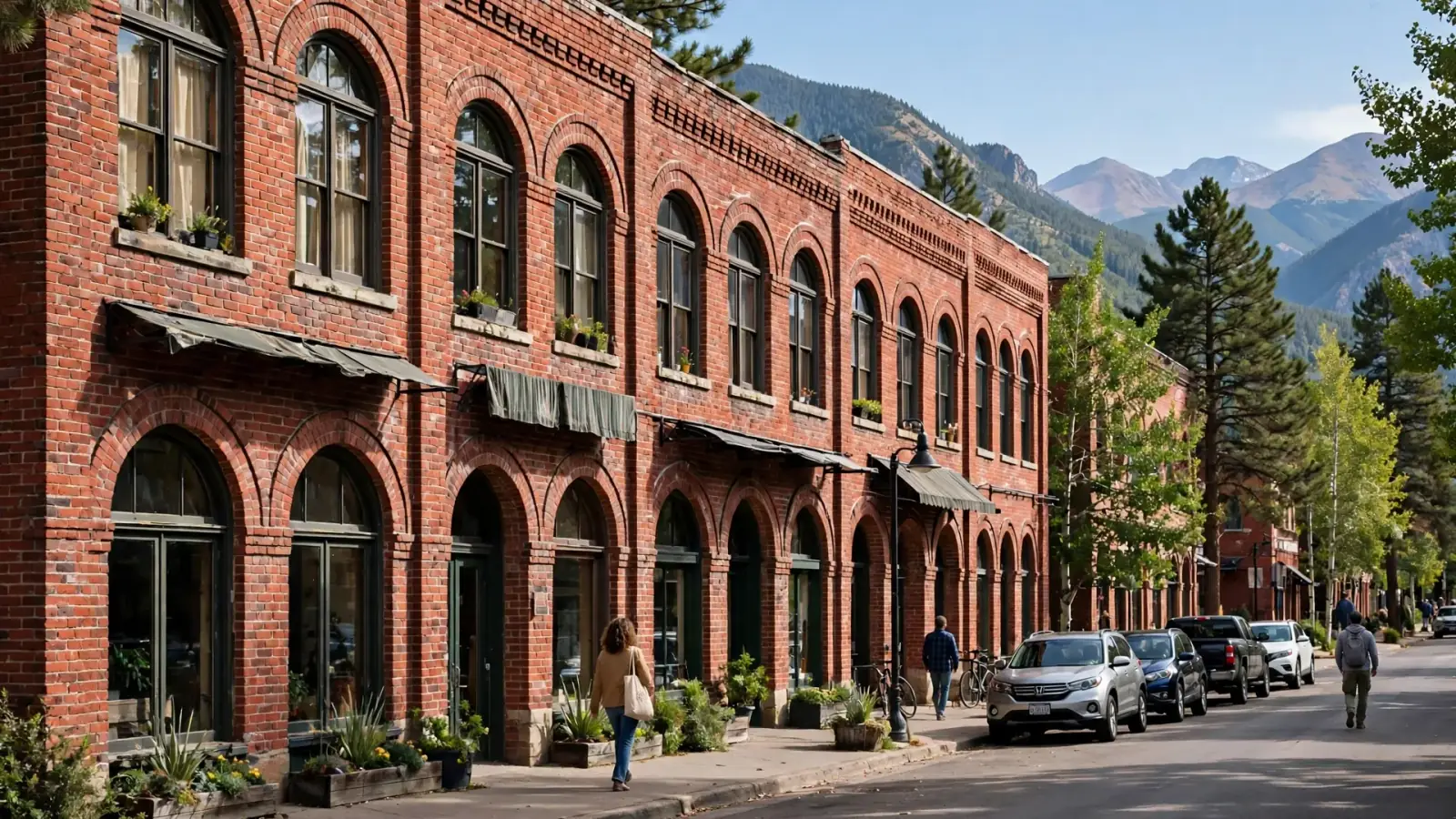
Key facts: Old Colorado City
- Colorado City was founded in 1859; part of it was annexed by Colorado Springs in 1898 and the rest in 1917, becoming the West Side.
- The Old Colorado City Historic Commercial District, listed on the National Register in 1982, has 27 properties along Colorado Avenue.
- Early buildings are one-story frame and brick structures; later ones are two-story red brick with Victorian-era details.
- Homes built before 1978 may contain lead-based paint, and EPA rules apply to renovation work that disturbs it.
Coverage
West-side areas covered from Old Colorado City
Calls from ZIP 80904 can be connected with a contractor who works on the west side; ask on the call if you are unsure about your address.
- Old Colorado City (80904)The historic town center along Colorado Avenue and the residential streets around it. [1]
- The West Side (80904)Older neighborhoods between downtown and Old Colorado City, roughly bounded by Highway 24 to the south and Uintah Street to the north.
- Areas toward Garden of the Gods (80904)Residential streets on the northwest edge of the ZIP, closer to open space.
History
Colorado City and the west side
Colorado City was founded in August 1859 where Fountain and Camp creeks meet, the first settlement in the Pikes Peak region. It served briefly as the territorial capital in 1861 and became a supply town for the gold camps in the mountains. When Colorado Springs was founded in 1871, its western limit was set at what is still called Limit Street. Colorado City grew alongside it; part of the town was annexed in 1898, and the rest became part of Colorado Springs in 1917, when it came to be known as the West Side.
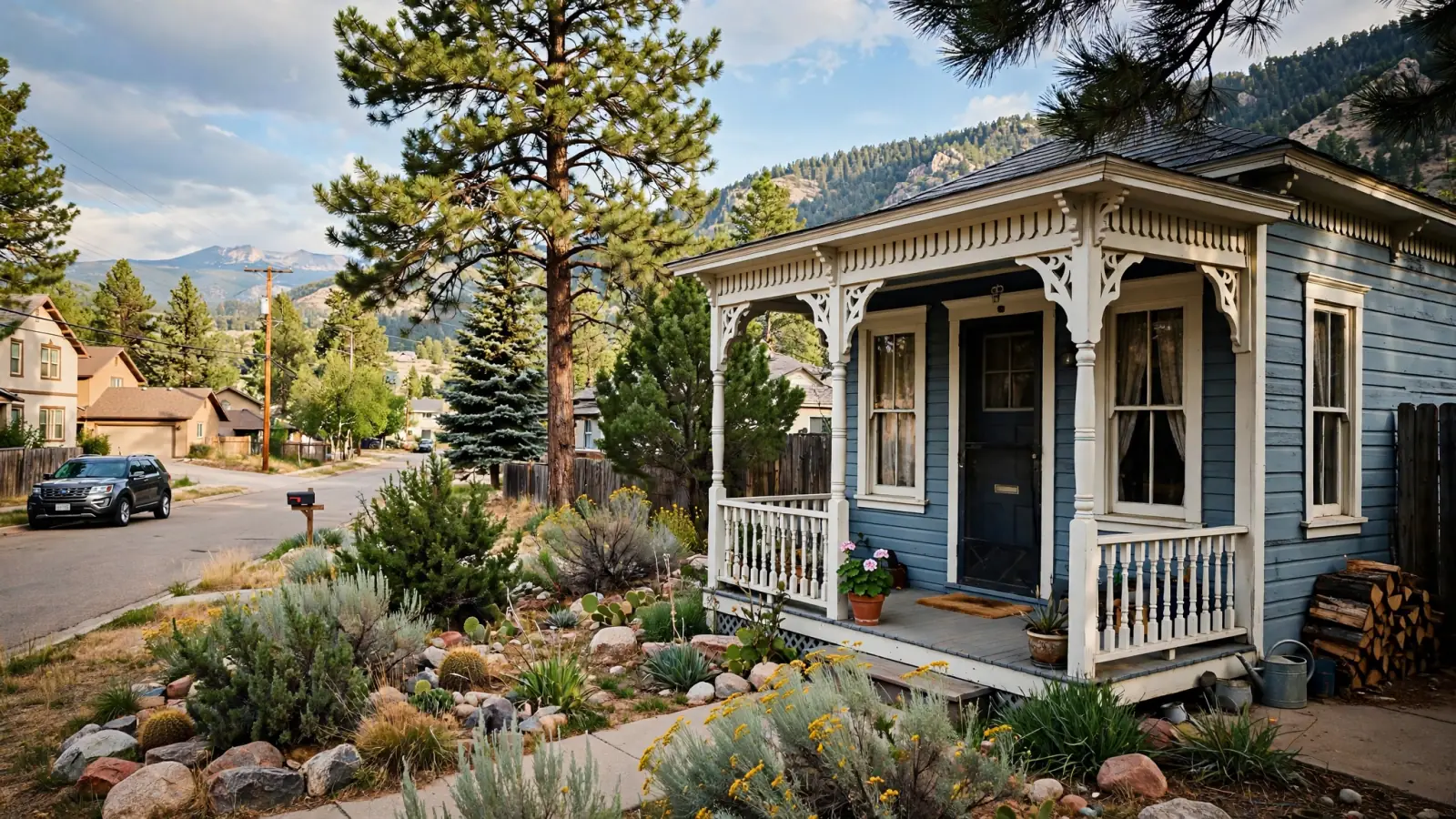
The town's commercial center along Colorado Avenue is now the Old Colorado City Historic Commercial District, listed on the National Register of Historic Places in 1982. [2] Its earliest buildings are one-story frame and brick structures; the later ones are two-story red brick buildings with Queen Anne, Romanesque Revival and Italianate details. The surrounding residential streets have small frame houses, cottages, Victorian homes and later bungalows, many more than a century old.
Older buildings
How older west-side buildings behave in a fire
Balloon framing
Some older wood-frame houses have wall cavities that run from foundation to attic without fire blocking, letting fire and smoke travel between floors.
Plaster and lath
Lime plaster on wood lath resists fire better than drywall but cracks and loses its bond when heated or soaked.
Old wiring
Knob-and-tube and early wiring, sometimes extended over decades, is a common concern in very old houses.
Many paint layers
Woodwork and walls may carry many layers of paint, including lead-based paint from before 1978. [3]
Small rooms and closets
Divided floor plans can confine smoke to fewer rooms but trap it in closets and stairwells.
Brick party walls
In commercial blocks, shared brick walls slow fire spread but hold soot and odor in their pores.
Balloon framing
Why fire and smoke can travel inside old walls
Many houses built before the 1920s used balloon framing, in which wall studs run continuously from the foundation sill to the roof framing. Without horizontal blocking between floors, the space inside each wall is an open channel. In a fire, that channel can carry flames and hot gases from a basement or first floor straight into the attic, and it can carry smoke and soot into wall cavities far from where the fire started.
For restoration, that means residue and odor may be inside walls throughout the house even when the visible damage is in one room. Contractors check outlet boxes, look into the attic at the tops of walls and may open small inspection holes. When walls are opened for repairs, adding fire blocking where building codes require it is a common part of the rebuild. Repairs beyond cleaning require permits from the regional building department.
Lead and asbestos
Lead paint and asbestos in west-side homes
Houses built before 1978 may contain lead-based paint, and the oldest houses on the west side almost certainly had it at some point. Fire, heat and water can loosen old paint, and cleaning, sanding or demolition can turn it into dust. The EPA's Renovation, Repair and Painting rule requires contractors who disturb painted surfaces in pre-1978 homes for compensation to be certified and to follow lead-safe work practices.
Asbestos is another concern in older homes. [4] It was used in some textured ceilings, plaster additives, pipe and duct insulation, flooring and siding. The EPA advises leaving asbestos-containing materials undisturbed when they are in good condition, and having them tested before work that could damage them. After a fire, damaged materials may already be disturbed, so testing should come before cleanup or demolition in affected areas.
Materials
Older materials common on the west side and how restoration treats them
| Material | After smoke | After heat or water | Notes |
|---|---|---|---|
| Lime plaster on lath | Often cleans well | Cracks, loses bond, may need repair | Test paint for lead before sanding |
| Old-growth wood trim | Cleans and refinishes well | Chars; replace burned pieces | Many paint layers, often lead |
| Brick walls | Soot in pores | Mortar damage at high heat | Masonry cleaning |
| Original wood floors | Clean and recoat | Cup with water; dry with mats | May contain old finishes |
| Textured ceilings | Hard to clean | Damaged by water | Test for asbestos first |
| Knob-and-tube wiring | Not applicable | Inspect after heat or water | Licensed electrician |
Restoration steps
Restoring an older west-side house after a fire
- 1
Release and safety
Wait for the fire department's release; have the power checked if old wiring was near the fire or water.
- 2
Secure and protect
Board broken windows and doors and tarp any roof damage; protect historic windows and doors from further harm.
- 3
Test before disturbing
Test for lead paint and asbestos in areas that will be cleaned aggressively or removed.
- 4
Check inside walls
Inspect wall cavities and the attic for smoke spread through open framing.
- 5
Remove water carefully
Dry plaster and wood floors promptly; plaster dries slowly and may need extended dehumidification.
- 6
Clean with suitable methods
Use dry-first soot removal, then cleaning methods matched to plaster, old paint and wood.
- 7
Repair to suit the house
Repair plaster, millwork and windows to match where practical, and add required fire blocking during rebuilds.
Commercial blocks
Fire in the brick commercial buildings on Colorado Avenue
The two-story brick buildings along Colorado Avenue often have shops on the ground floor and offices or apartments above, with shared walls between buildings. A fire in one unit can send smoke through ceilings, into adjacent units and up stairwells. Brick walls slow the spread of fire but absorb soot and odor, and old wood floors and ceilings between stories can carry smoke between levels.
Restoration in mixed-use buildings involves coordinating owners, tenants and insurers for each space. Historic facades and interior features may also call for careful handling. If your property is in the historic district, ask the contractor about any review that applies to exterior changes before repairs are designed. Our focus on this site is homes, but the same contractor network can often discuss commercial spaces on the call.
Smoke cleanup
Smoke and soot cleanup in west-side homes
Smoke cleanup in older houses is often more successful on hard surfaces than in newer homes: lime plaster and old-growth wood trim tolerate careful cleaning better than drywall paper and engineered materials. The challenges lie elsewhere: in the layers of old paint, in cavities that carried smoke, in small closets and stairwells that trapped it, and in materials that need testing first.
Cleaning starts with HEPA vacuuming and dry soot sponges, then tested wet cleaning suited to each surface. Where old paint is sound, it can be cleaned; where it is peeling or blistered from heat, lead-safe methods apply. The soot removal page explains the dry-first sequence in detail.
Odor
Odor in older houses with closets, attics and basements
West-side houses often have deep closets, steep stairwells, small attics and unfinished basements or cellars. Smoke fills these spaces and stays there, and old wood and plaster hold odor. Many older houses also have converted heating systems with ductwork added later, sometimes running through spaces that are hard to reach.
Odor removal starts with finding and cleaning those spaces, cleaning or replacing duct runs that hold residue, and sealing raw wood where residue has soaked in. The odor removal page covers the process.
Prevention
Fire prevention in older west-side homes
- Have old wiring evaluated by a licensed electrician, especially if you see warm outlets, flickering lights or two-prong outlets throughout.
- Install interconnected smoke alarms on every level and in sleeping areas, as NFPA recommends. [5]
- Have chimneys inspected and cleaned before the heating season, particularly in houses with original flues.
- Keep space heaters away from curtains and furniture, and never leave them running unattended.
- Know two ways out of every room; older houses with steep, narrow stairs may need escape ladders for upper bedrooms.
- Keep a photo inventory of original features such as trim, doors and windows, which helps repairs match.
Wildfire
Wildfire and smoke on the west side
The west side sits below the foothills and near Garden of the Gods and the open space around it. It is not as directly exposed to forest fire as neighborhoods higher on the slopes, but smoke from foothill fires, including the 2012 Waldo Canyon Fire, settles across it. [6] The northwestern parts of the ZIP are closer to open space and have more exposure to grass and brush fires.
If wildfire smoke reaches your home, follow the approach on the wildfire smoke damage page: replace furnace filters, use HEPA vacuuming and damp wiping, clean fabrics, and check ducts and attics. Older houses with leaky windows and doors let more smoke in, so cleaning may need to be more thorough.
Insurance
Insurance and older homes in Old Colorado City
Older homes can raise particular claim issues: matching original materials, code upgrades required when walls are opened, and lead or asbestos handling. Read your policy for how it handles code upgrades and matching, and ask your adjuster early. Document original features before cleanup so that their value and character are clear.
The guide working with your insurance adjuster covers preparation for the adjuster's visit and keeping records.
Seasons
When west-side fires tend to happen
Interior fires in older homes peak during the heating season, when furnaces, fireplaces, space heaters and electrical loads are highest. Holiday cooking and decorations add risk. Wildfire smoke is more likely in late spring, early summer and dry autumn spells. Winter restorations must plan for frozen plumbing and an unheated house; summer restorations must dry wet plaster and wood before mold takes hold.
On the call
What to mention when calling about a west-side home
- 1
Address and building type
Street and cross street, and whether it is a house, a cottage, an apartment or a mixed-use building.
- 2
Age and features
Approximate build year, plaster walls, original trim, old wiring or a historic designation.
- 3
What happened
Where the fire started, what burned, and how far smoke and water spread.
- 4
Current state
Release from the fire department, utilities on or off, and any open windows or roof areas.
Small houses
Fire in small west-side cottages and bungalows
Many west-side homes are small: one-story cottages, bungalows and modest two-story frame houses on narrow lots. In a small house, a fire in any room affects the whole house quickly, because there is little air volume to dilute smoke and few doors to contain it. Neighboring houses are close, so a fire next door can crack windows, melt siding or scorch fences, and smoke from one house can enter the next.
Small houses can be restored quickly when damage is limited, but they often have older additions, enclosed porches and basements dug out after the original construction, each with its own materials. A contractor should walk every part of the house, including crawlspaces and additions, and explain how each will be handled.
Basements and crawlspaces
Old basements, cellars and crawlspaces
Older west-side houses may have stone or brick foundations, partial cellars and crawlspaces rather than full basements. Firefighting water can collect in these spaces, where air movement is poor and drying is slow. Old foundation walls may also be damp already. Ductwork and plumbing often run through crawlspaces, so smoke residue and water can reach them.
Drying these spaces may need extended dehumidification and careful monitoring. If the crawlspace has an earth floor, the contractor should discuss how they will manage moisture from below during drying.
Nearby areas
Areas near Old Colorado City
East of the west side, the Old North End has the city's grandest Victorian houses and similar historic-material concerns. Northwest of Old Colorado City, Mountain Shadows is a newer foothill neighborhood shaped by the 2012 wildfire. To the south, Broadmoor has large older homes on Cheyenne Mountain's slopes.
Windows and doors
Original windows and doors on the west side
Many older west-side houses still have original wood sash windows, wood doors and transoms. Firefighters may break windows to vent smoke, and heat can crack old glass or scorch frames. Original windows can often be repaired by a specialist: broken panes reglazed, scorched sash cleaned and refinished, and hardware cleaned. Replacing them with modern units is sometimes simpler but changes the character of the house.
If windows are boarded after a fire, ask the board-up crew to fasten plywood in a way that protects the original frames, for example by fastening into the surrounding framing rather than through the sash. Keep any intact original glass and hardware for reuse.
FAQ
Old Colorado City fire damage questions
Is Old Colorado City part of Colorado Springs?
Yes. Colorado City was founded in 1859, part of it was annexed in 1898, and the rest joined Colorado Springs in 1917, becoming known as the West Side.
Why did smoke get inside the walls of my old house?
Many older houses have balloon framing, with wall cavities open from basement to attic. Smoke and hot gases travel through those channels far from the fire.
Do I need lead testing after a fire in an Old Colorado City home?
If the house was built before 1978 and painted surfaces will be sanded, scraped or removed, testing and lead-safe work practices are the safe approach.
Can plaster walls be cleaned after smoke damage?
Often yes. Lime plaster is harder than drywall and cleans well with dry-first methods, but heat or water can crack it or loosen it from the lath.
What if my west-side building is historic?
Ask the contractor about any review that applies to exterior changes before repairs are designed, and document original features before cleanup.
Does old wiring need checking after a fire?
Yes, if it was near the fire, heat or firefighting water. Have a licensed electrician inspect it before power is restored to those circuits.
How is soot removed from old brick?
With HEPA vacuuming and cleaners suited to porous masonry; very porous brick may keep some shading.
Can a fire next door damage my west-side house?
Yes. West-side houses are close together, so radiant heat can crack windows and melt siding, and smoke can enter through open windows and vents. Check and document your house after any nearby fire.
Who issues permits for fire repairs in Old Colorado City?
Repairs beyond cleaning generally need permits from the regional building department that serves Colorado Springs. Your contractor should explain which apply.
Is knob-and-tube wiring a fire risk in Old Colorado City homes?
Old wiring that has been extended, damaged or covered with insulation can be. Have a licensed electrician evaluate it, especially after any fire or water exposure.
Can smoke odor be removed from an old plaster house?
Usually. Plaster itself cleans well; odor tends to linger in closets, wall cavities, attics and old ductwork, which need to be found and cleaned or sealed.
Rentals
Rental houses and apartments on the west side
The west side has many rental homes and small apartment buildings, from converted Victorians to cottages behind main houses. After a fire in a rental, the owner's policy usually covers the building and the tenant's renters policy, if they have one, covers their belongings and living expenses. Both owner and tenant should document damage and talk to their own insurers promptly.
Restoration in a multi-unit building has to account for every unit that shares walls, floors, attics or air systems with the one that burned. Smoke often reaches neighboring units even when the fire did not, and those units need inspection too. Owners should coordinate access with tenants and keep everyone informed about the schedule and which spaces are safe to use.
Nearby
More around Old Colorado City
Back to all of Colorado Springs. Nearby pages: Black Forest, Broadmoor, Mountain Shadows, Old North End, Stetson Hills.
Related help for Old Colorado City: water extraction, structural drying, sewage backup cleanup, fire damage restoration and smoke damage cleanup. First time dealing with this? Read the first hours after water damage.