
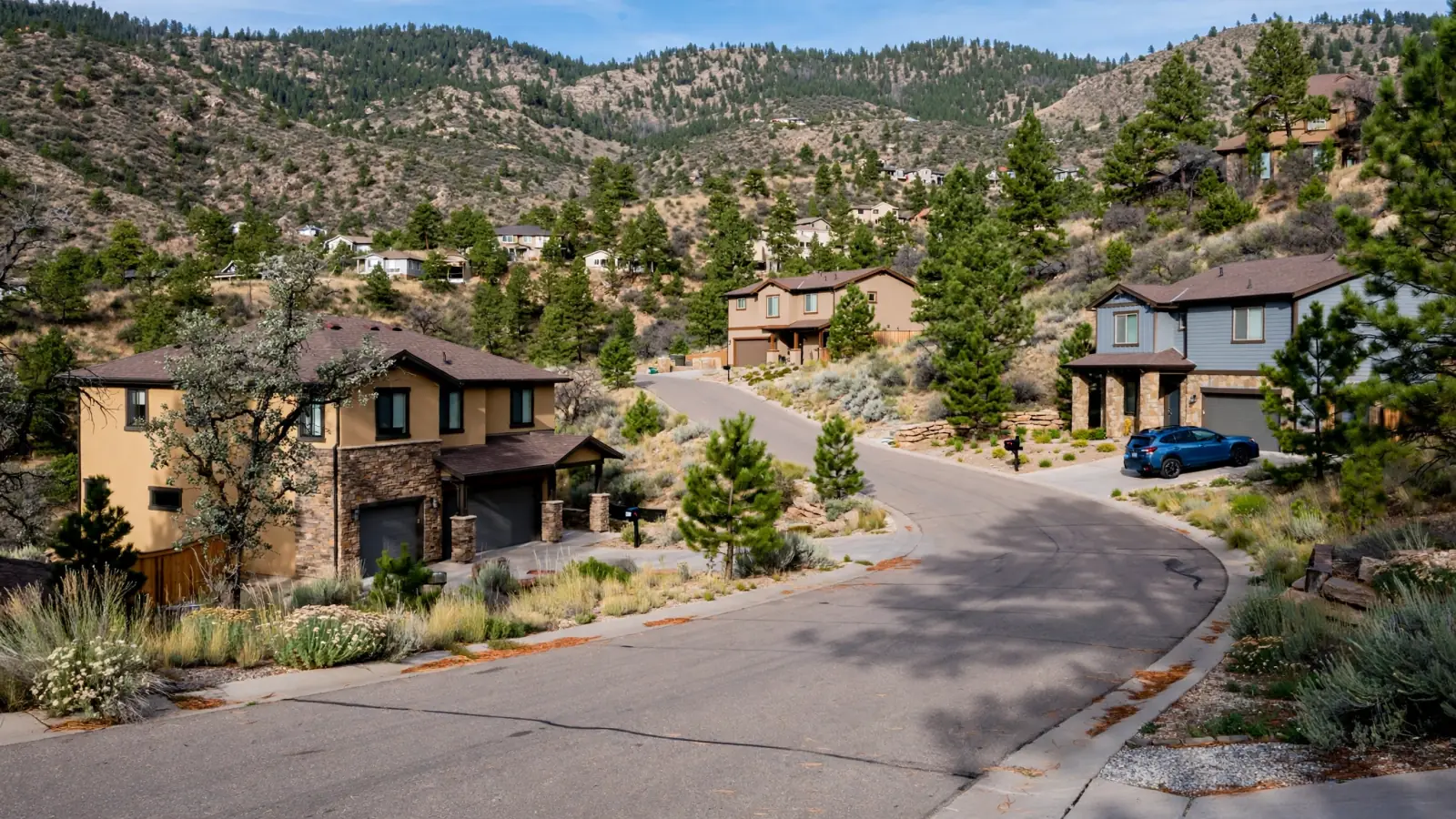
Key facts: Mountain Shadows
- Mountain Shadows is in Colorado Springs ZIP 80919, on the northwest edge of the city below the Rampart Range foothills.
- On June 26, 2012, the Waldo Canyon Fire spread into Mountain Shadows; the fire destroyed 346 homes and killed two people.
- After the fire, gas was shut off to about 4,200 undamaged Mountain Shadows homes and restored one by one by utility crews.
- New construction in the city's wildland-urban interface must meet ignition-resistant requirements set out in the fire code.
Coverage
Mountain Shadows streets and nearby areas covered
Calls from these parts of ZIP 80919 can be connected with a contractor who works on the northwest side. If you are unsure whether your address is covered, ask on the call.
- Mountain Shadows (80919)The subdivision west of Centennial Boulevard and north of Garden of the Gods Road, rising toward the foothills.
- Peregrine (80919)The higher neighborhood to the north and west, also touched by the Waldo Canyon Fire in 2012. [2]
- Oak Valley Ranch area (80919)Homes along the open-space edge where flames reached houses during the 2012 fire.
- Rockrimmon and Pinon Valley (80919)Nearby northwest neighborhoods in the same ZIP, with similar terrain and housing.
Fire history
What the Waldo Canyon Fire did to Mountain Shadows
The Waldo Canyon Fire started on June 23, 2012, in the Pike National Forest west of the city. For three days it burned in steep terrain. On the afternoon of June 26, strong, erratic winds pushed it over the ridges and down into Mountain Shadows, Peregrine and Oak Valley Ranch. Flames moved from house to house, driven by wind and embers rather than by a single advancing front. By the time the fire was contained on July 10, it had burned 18,247 acres, destroyed 346 homes and killed two residents. More than 32,000 people from Colorado Springs, Manitou Springs and Woodland Park had been evacuated.
Many more homes in the neighborhood were damaged without being destroyed. Houses next to burned lots had cracked windows, melted siding and vents, scorched fences and decks, and interiors filled with smoke and ash. Colorado Springs Utilities shut off gas to about 4,200 undamaged homes as a precaution, and crews restored service door to door, checking meters, purging lines and relighting pilots. [3] That combination of total losses, heat-damaged neighbors and widespread smoke damage is the pattern restoration contractors still associate with this part of the city.
The burn scar also changed the landscape above the neighborhood. With vegetation gone, rain ran off faster, and the fire raised the risk of flash floods and debris flows into parts of the city for years afterward. Today, much of the vegetation has regrown, which means fuel is building again.
Housing
How Mountain Shadows homes are built, and why it matters after a fire
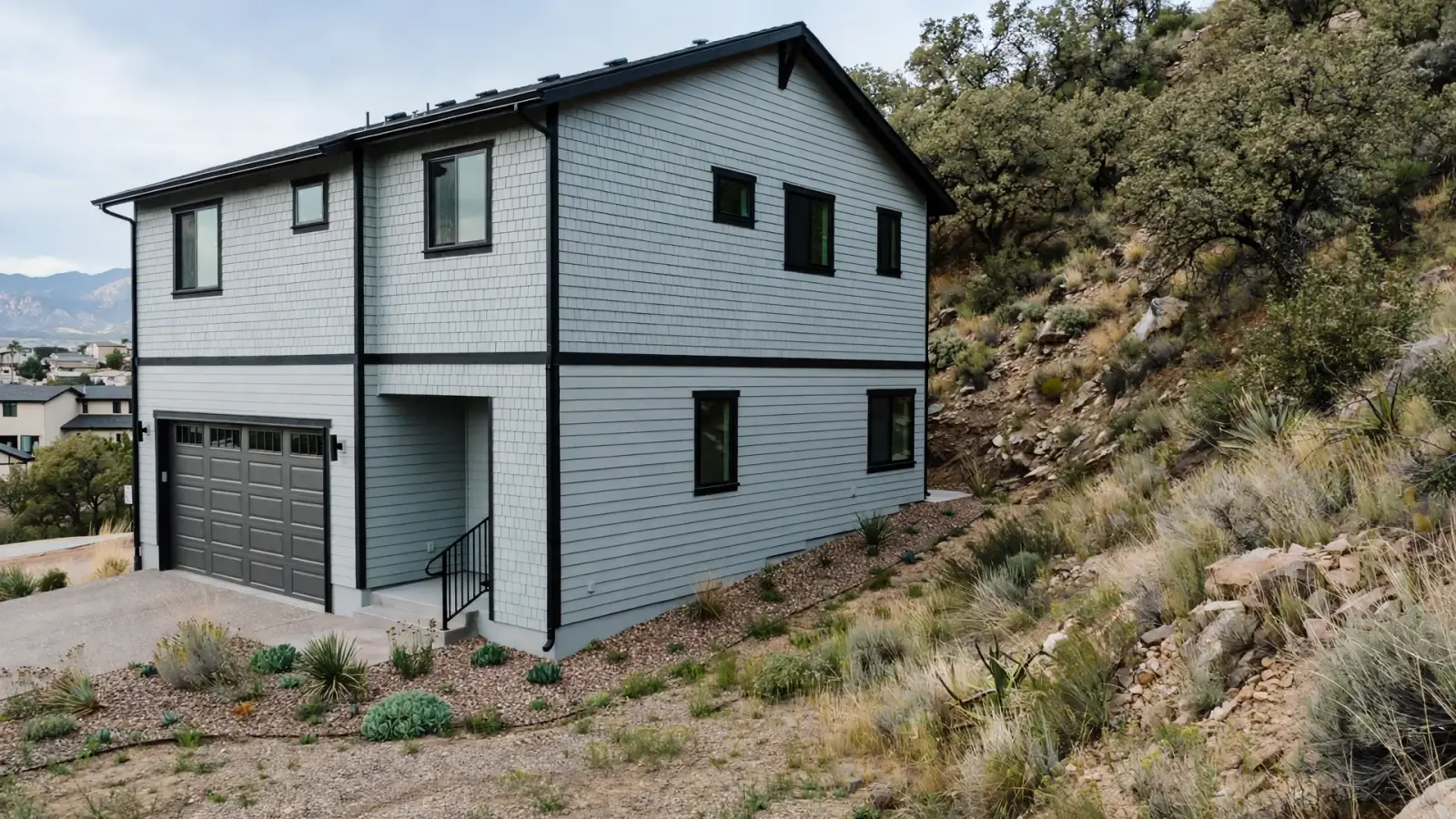
Mountain Shadows was built mostly from the 1980s onward as a suburban hillside neighborhood: two-story wood-frame houses, many with walk-out basements on sloping lots, attached garages, decks facing the views and forced-air gas furnaces. After 2012, hundreds of homes were rebuilt within a few years. Rebuilt houses often use more ignition-resistant materials on the outside, such as fiber-cement siding, Class A roofing and screened vents, while their interiors are similar to other modern houses: drywall, carpet and engineered flooring, open main floors. [4]
Those details shape restoration. Open floor plans let smoke fill the whole main level from a single kitchen fire. Walk-out basements collect firefighting water from above. Decks and the exterior walls behind them are the parts of the house most often damaged by embers or radiant heat in a wildfire, even when the roof survives. Steep driveways and narrow streets can make it harder to stage equipment, which a contractor will want to know about on the call.
Common damage
Typical fire and smoke damage in Mountain Shadows homes
Ember-damaged decks and siding
Wildfire embers ignite debris on decks and against walls, scorching siding, trim and the wood of the deck itself.
Smoke and ash through vents
Attic and crawlspace vents and the furnace intake pull smoke and ash into otherwise undamaged homes.
Heat-cracked windows
Radiant heat from a burning neighbor's house can crack window glass and melt vinyl frames and screens.
Kitchen and garage fires
As in any suburb, cooking fires and garage fires are the most common causes of interior fire damage.
Water in walk-out basements
Firefighting water runs down to lower levels, which are often finished living space.
Furnace and duct contamination
Forced-air systems carry smoke residue through every room.
Wildland-urban interface
Mountain Shadows and the city's wildland-urban interface rules
Mountain Shadows sits inside the area the City of Colorado Springs treats as its wildland-urban interface, the zone where homes meet wildland vegetation. The city requires wildfire mitigation measures for new construction in that zone, set out in its fire code and in an ignition-resistant construction design manual. The fire department publishes a wildfire risk map where residents can look up an address, and a wildfire mitigation unit that works with neighborhoods on fuel reduction.
For restoration, the main effect is on rebuilding. If fire damage requires replacing roofing, siding, decks, vents or windows, the replacement work may have to meet ignition-resistant requirements. That is worth discussing with your contractor before materials are chosen, and with your insurer if you have coverage that applies to code requirements. Repairs beyond cleaning generally need building permits from the regional building department; your contractor should explain which apply.
Restoration steps
How fire damage restoration works for a Mountain Shadows home
- 1
Confirm it is safe
Wait for the fire department's release. After a wildfire, wait for the evacuation order to be lifted and for the utility to restore gas if it was shut off.
- 2
Secure the house
Board broken windows, tarp roof damage and secure doors; foothill winds can drive snow and rain into an open house quickly.
- 3
Document everything
Photograph rooms, the exterior, decks, the attic hatch area and the furnace filter before cleaning.
- 4
Remove water
If firefighting water reached the lower level, extraction and drying start right away to limit mold.
- 5
Clean residue
Smoke and soot are removed with dry methods first, then wet cleaning, room by room, with air filtration running.
- 6
Address the HVAC system
Filters are replaced and ducts cleaned if residue is present, so the furnace does not spread odor.
- 7
Treat odor and restore contents
Remaining odor is treated after cleaning; belongings are cleaned in place or packed out.
- 8
Repair and rebuild
Damaged materials are replaced, with exterior work meeting current wildland-urban interface requirements where they apply.
Damage by event
What different fire events usually mean for a Mountain Shadows home
| Event | Usual damage | Usual first services |
|---|---|---|
| Wildfire nearby, house not burned | Smoke odor, ash in attic and garage, dirty filters, possible heat damage on the fire-facing side | Wildfire smoke cleanup, filter and duct work, exterior repairs |
| Neighbor's house burned | Cracked windows, melted siding and vents, heavy smoke and ash | Board-up, smoke cleanup, exterior replacement |
| Kitchen fire | Protein residue on the main floor, smoke through open plan, odor | Smoke and soot cleanup, odor removal |
| Garage fire | Heavy oily soot, damage to shared wall and room above | Board-up, soot removal, partial rebuild |
| Fire on upper floor | Water damage below and in walk-out basement | Water extraction, drying, soot cleanup |
Smoke cleanup
Smoke cleanup in Mountain Shadows homes
Smoke work in the neighborhood falls into two groups. Interior house fires produce the familiar pattern: heavy soot near the source, a thinner film throughout the house, and odor carried by the furnace. Wildfires produce a lighter but more widespread pattern of fine ash and odor, often heaviest in the attic, the garage and the rooms facing the fire. The same house can see both over its lifetime.
Either way, the approach starts with air filtration and dry methods: HEPA vacuuming and dry soot sponges before any wet cleaning, with the furnace fan off until filters are changed. The pages on smoke damage cleanup and wildfire smoke damage explain each in detail. Homes with vaulted ceilings, which are common here, need taller access equipment and careful cleaning to avoid streaks on large drywall surfaces.
Exterior
Decks, siding and exterior damage in the foothills
Exterior damage is more common here than in flatter parts of the city because of exposure to wildfire heat and embers. Wood decks, fences, and the siding and trim behind them are the most vulnerable parts. Vinyl siding, window frames, gutters and vent covers can deform from radiant heat without catching fire. Embers that land in gutters or on debris against the house can ignite small fires that scorch walls.
After a wildfire, look for melted or warped vinyl, scorched wood, cracked or crazed window glass, damaged vent screens and debris in gutters. Photograph it for your insurer. Replacement materials for exterior repair may need to meet current ignition-resistant standards, so talk through options with the contractor and, if needed, the building department.
Mitigation
Reducing future fire risk around Mountain Shadows homes
- Clear dead leaves, needles and debris from gutters, roofs and decks regularly, especially in spring and late summer.
- Keep firewood, mulch and other flammable materials away from the house and from under decks.
- Cover attic and crawlspace vents with fine metal mesh to keep embers out.
- Thin vegetation near the house and keep grass and scrub oak trimmed, following the fire department's mitigation guidance.
- Look up your address on the city's wildfire risk map and ask the wildfire mitigation unit about neighborhood programs.
- Plan two evacuation routes and keep important documents ready to grab.
Utilities
Gas and power restoration in Mountain Shadows after a fire
Colorado Springs Utilities supplies gas, electricity and water in the city. After a single-home fire, the fire department or utility may shut off gas and power to the house; after a wildfire, whole areas may be shut off. The 2012 experience showed how slow restoring gas can be: crews must visit each home, check the meter for leaks, purge air from the lines, relight appliances and test them, and they need someone at the house to let them in.
Plan restoration work around those visits. If the furnace or water heater was near the fire or exposed to water, have it inspected before it is relit. If you ever smell gas, leave the house and call the utility from outside.
Insurance
Insurance and documentation for Mountain Shadows homeowners
Neighborhood experience after 2012 taught many residents the value of a home inventory and good documentation. If your home is damaged, photograph everything before cleaning, keep receipts for temporary housing and supplies, and ask the restoration contractor for a written scope. For wildfire losses, Colorado's Division of Insurance publishes guidance on policyholder protections, including living-expense coverage and contents inventory rules for declared wildfire disasters.
The guide working with your insurance adjuster explains how to prepare for the adjuster's visit. If code requirements apply to the rebuild because of the wildland-urban interface, ask your insurer how they are handled under your policy.
Rebuilt homes
Restoring a Mountain Shadows home rebuilt after 2012
Hundreds of houses in the neighborhood are now ten or more years old in their second life. Rebuilt homes generally have newer wiring, plumbing and HVAC systems than the houses they replaced, which can make restoration simpler: fewer surprises behind the walls, and no older materials such as lead paint to work around. Many also have tighter construction, with better-sealed windows and doors, which helps keep wildfire smoke out but also means smoke from an interior fire has fewer ways to escape and lingers longer without ventilation.
Ignition-resistant exterior materials perform well against embers, but they are not immune to heat. Fiber-cement siding can crack or discolor, and metal or composite trim can warp. Interior finishes in rebuilt homes, such as engineered flooring, large drywall surfaces and painted trim, respond to smoke the same way as in any modern house. For owners, the useful detail is to keep records of the materials and products used in the rebuild, which helps a contractor match them if repairs are needed later.
Seasons
When fire and smoke damage happens on the northwest side
Wildfire risk in the foothills is highest in late spring and early summer, when vegetation is dry before the summer monsoon rains, and again on dry, windy days in autumn and winter. The Waldo Canyon Fire came in late June. Strong downslope winds in the cooler months can also carry a small fire quickly. Interior house fires happen year round, but heating season brings more fires involving furnaces, fireplaces and space heaters.
Season matters for restoration too. In winter, an open, unheated house can freeze, so board-up and temporary heat become priorities. In summer, a closed, wet house warms quickly, which speeds mold growth if firefighting water is not dried promptly.
Odor and water
Odor and water problems specific to hillside homes in 80919
Hillside lots change how water and air move through a house. In a walk-out home, the lower level is partly below grade on the uphill side and fully exposed on the downhill side, so firefighting water collects against the buried foundation wall where it dries slowly. Contractors usually remove the lower part of drywall along those walls and run dehumidifiers until the concrete reads dry. Odor tends to rise to upper floors and lofts, where warm air collects, so those spaces are checked carefully during odor removal.
Nearby areas
Areas near Mountain Shadows
Mountain Shadows shares its wildfire exposure with other neighborhoods along the western edge of the city. Broadmoor, on the slopes of Cheyenne Mountain on the southwest side, faces similar foothill risk. Old Colorado City, south of Garden of the Gods, has much older houses and a very different restoration picture. To the north and east, Black Forest is the other neighborhood most associated with a major local wildfire.
On the call
What to have ready when you call about a Mountain Shadows home
- 1
Your address or cross streets
So the contractor can confirm they serve that part of 80919.
- 2
What happened
A house fire, a nearby wildfire, a neighbor's fire or smoke from farther away.
- 3
Current state
Whether the fire department released the house, whether gas and power are on, and whether windows or the roof are open.
- 4
Where damage is
Which floors and rooms are affected, whether the basement is wet, and whether the furnace was running.
FAQ
Mountain Shadows fire damage questions
Is Mountain Shadows in the wildland-urban interface?
Yes. It is on the northwest edge of Colorado Springs next to foothill open space, inside the area where the city applies wildfire mitigation requirements for new construction. You can check your address on the city's wildfire risk map.
How many homes did the Waldo Canyon Fire destroy in Mountain Shadows?
The fire destroyed 346 homes in total, most of them in Mountain Shadows when it spread into the neighborhood on June 26, 2012.
Do repairs to my Mountain Shadows home need to meet wildfire rules?
Exterior repairs such as roofing, siding, decks and vents may need to meet ignition-resistant requirements. Ask your contractor and the building department before choosing materials.
What should I clean first after wildfire smoke in Mountain Shadows?
Change the furnace filter, then HEPA-vacuum and damp-wipe from the top of each room down. Check the attic and garage, which usually hold the most ash.
Who restores gas service after a fire in Mountain Shadows?
Colorado Springs Utilities. After large fires, crews restore service house by house and need someone present. Do not turn a shut-off meter back on yourself.
Why does my Mountain Shadows basement have water after an upstairs fire?
Firefighting water runs down through floors and collects on the lowest level. Walk-out basements need prompt extraction and drying.
Can smoke from a wildfire miles away damage my house?
Yes. Smoke and fine ash enter through vents and the HVAC system. Usually it means odor and ash cleanup rather than structural repair.
Should I worry about flooding after a wildfire near Mountain Shadows?
Burn scars shed rain quickly. After the 2012 fire, officials warned of flash flood and debris flow risk below the burn area for years. Know whether your street sits below a burned slope.
How do I know if my Mountain Shadows attic has ash in it?
Look through the attic hatch with a flashlight for gray dust on insulation and framing, or ask the contractor to check during the assessment. Wear a respirator if you go in.
Are rebuilt Mountain Shadows homes easier to restore after smoke?
Often a little easier, because wiring, plumbing and materials are newer and well documented. Tighter construction keeps outside smoke out but can trap smoke from an interior fire.
Nearby
More around Mountain Shadows
Back to all of Colorado Springs. Nearby pages: Black Forest, Broadmoor, Old Colorado City, Old North End, Stetson Hills.
Related help for Mountain Shadows: water extraction, structural drying, sewage backup cleanup, fire damage restoration and smoke damage cleanup. First time dealing with this? Read the first hours after water damage.
Sources and citations
- [1]Colorado Division of Insurance — Consumer protections for Coloradans affected by wildfires (2026)
- [2]Wikipedia — Waldo Canyon Fire
- [3]KRDO — Gas service gradually returns to Mountain Shadows (2012)
- [4]City of Colorado Springs — Wildland-urban interface construction requirements
- [5]Colorado Springs Fire Department — Ignition Resistant Construction Design Manual (2020)
- [6]City of Colorado Springs — Fire Department
- [7]Colorado Springs Utilities
- [8]U.S. EPA — Wildfires
- [9]NIST — Wildland-urban interface fire research