
Key facts: Logan Square
- Logan Square is Chicago Community Area 22 and includes Bucktown, Palmer Square, Kosciuszko Park and Logan Square itself [1].
- The Logan Square Boulevards Historic District entered the National Register in 1985 and gained Chicago Landmark status in 2005 [1].
- Greystones were built in Chicago from the 1890s into the 1930s with Indiana limestone fronts, typically two or three flats on 25-foot lots [2].
- Exterior work on designated Chicago landmarks can require review by the Commission on Chicago Landmarks [3].
- Illinois insurance guidance says to photograph damage, make temporary repairs and keep receipts after a loss [4].
Covered here
Logan Square neighborhoods covered
These parts of the Logan Square community area, in ZIP code 60647, are covered by the contractors you reach through this site.
- The boulevardsLogan, Kedzie and Palmer Square boulevards with their greystones and large homes.
- BucktownTwo-flats, frame cottages and newer condos between the Kennedy Expressway and Western Avenue, north of The 606.
- Palmer SquareHomes and flats around the oval park at the southern end of Kedzie Boulevard.
- Kosciuszko ParkResidential blocks around the park in the western part of the community area.
- Logan Square properFlats, bungalow-style homes and apartment buildings around the square and Milwaukee Avenue.
Logan Square homes
The housing that shapes fire cleanup in Logan Square
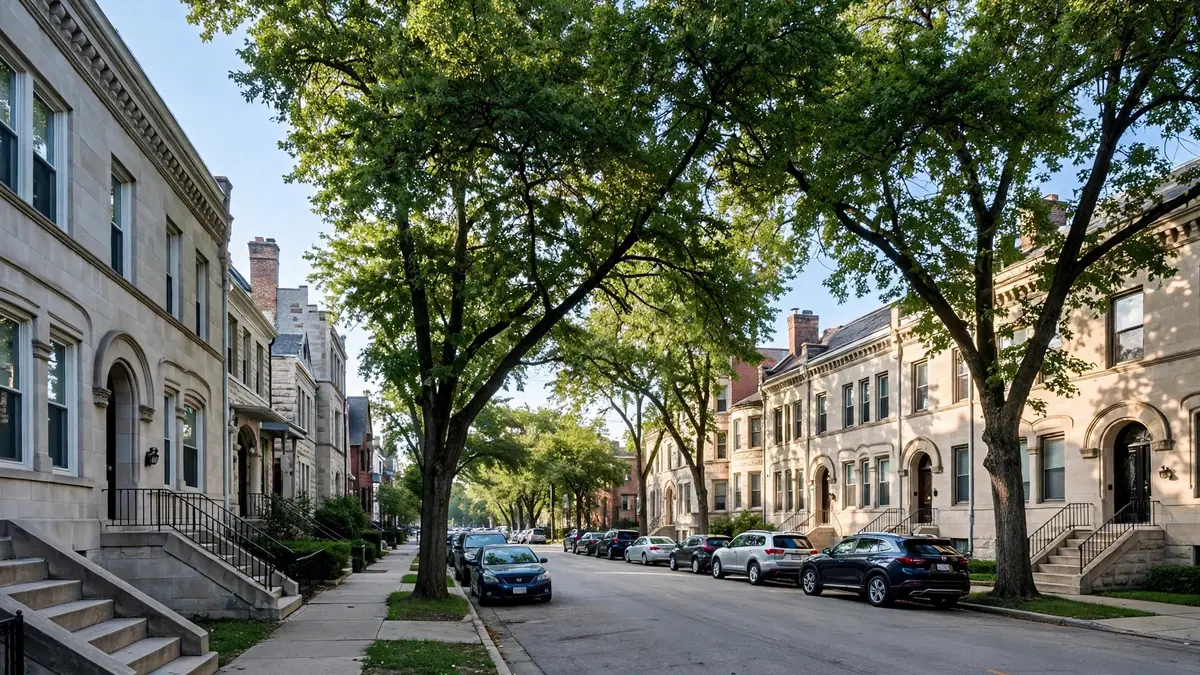
Logan Square became part of Chicago in 1889, when the area was annexed along with the rest of Jefferson Township [1]. Its signature is the network of wide boulevards, Logan, Kedzie and Palmer, that meet at the square where Milwaukee Avenue crosses [1]. Along them stand stately greystones and large homes built for a prosperous early-twentieth-century population [1].
Away from the boulevards, the housing is more modest and more varied: two-flats and three-flats, frame workers' cottages, brick apartment buildings and, in recent decades, a lot of new construction, including three- and four-story condo buildings. Bucktown in particular mixes nineteenth-century cottages with modern townhomes.
That variety matters after a fire. The materials, the age, the number of units and the way air moves through each building all affect where smoke and water go, what can be cleaned and what has to be replaced.
Common calls
What Logan Square fire calls usually involve
Garden unit water damage
Water from a fire upstairs draining into the garden or basement apartment of a greystone or two-flat.
Rear porch and garage fires
Fires on wooden rear porches or in garages along the alleys, which can spread to the back of the house.
Kitchen fires in vintage flats
Stovetop fires in older kitchens that send smoke through the flat and up the rear stair.
Smoke in a new condo building
Smoke from one unit reaching others through corridors and shared ventilation in newer mid-rise condos.
Basement and furnace fires
Fires or puff-backs from basement equipment that send soot up through the whole building.
Cottage attic fires
Fires in older frame cottages that travel through open wall cavities into the attic.
Greystones
Fire damage in a boulevard greystone
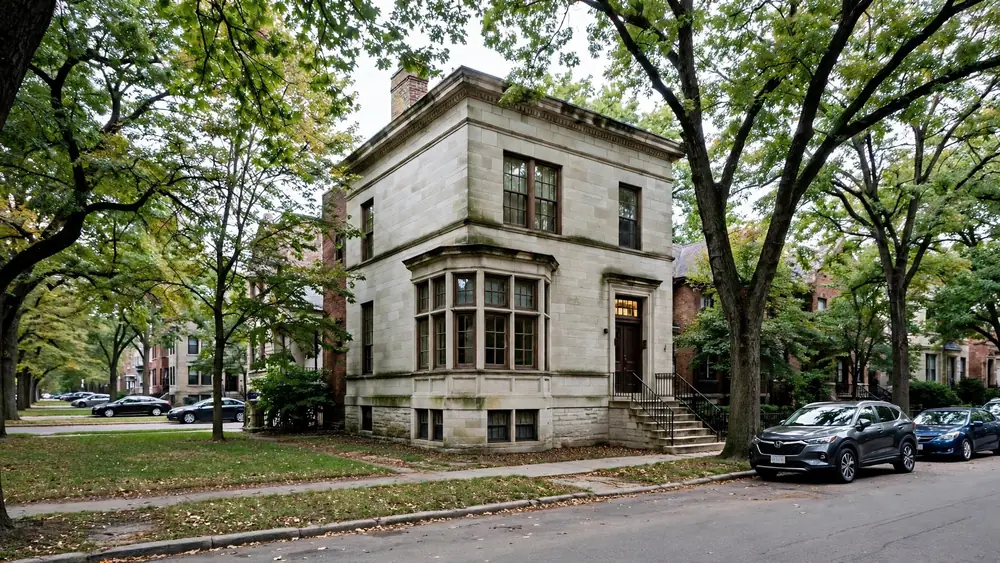
A Chicago greystone usually has an Indiana limestone front facing the street, brick side and rear walls, and two or three flats inside, on a standard 25-by-125-foot lot [2]. Roughly 30,000 survive in the city [2], and Logan Square's boulevards hold some of the best known.
Inside, most greystones have plaster walls, hardwood floors, wood trim and built-ins, a front stair shared by the flats and a wooden rear porch and stair. Many have a garden unit below the first floor. When one flat has a fire, smoke rises through the front and rear stairs into the other flats, and water drains down into the lower flats and the garden unit.
Greystone interiors are worth restoring carefully. Plaster usually survives smoke and can be cleaned or sealed, oak trim can often be cleaned and refinished, and hardwood floors that were soaked can usually be dried and refinished. Aggressive demolition is rarely the right first step in a building like this. The limestone front often survives with only staining, which should be cleaned with methods suited to limestone.
Bucktown and cottages
Frame cottages and two-flats in Bucktown
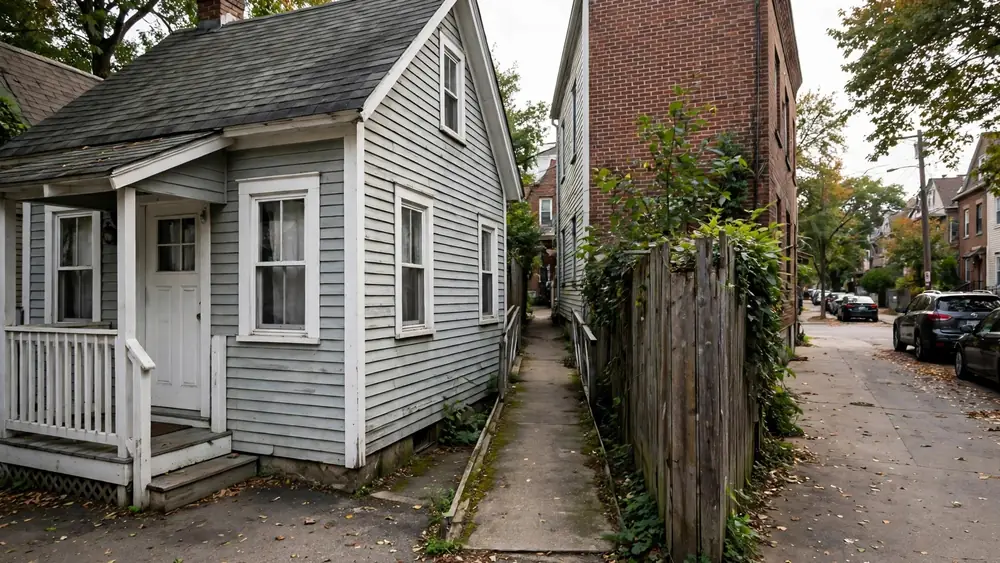
Bucktown and the side streets of Logan Square have many older frame cottages and two-flats, often on narrow lots with a gangway on one side. Older frame buildings may use balloon framing, in which studs run continuously from the sill to the roof, leaving open channels in the walls that let fire and smoke climb from the basement to the attic [5].
After a fire in one of these houses, the attic and the upper parts of the walls deserve a close look even if the fire started downstairs. Residue in hidden cavities is a common source of smell that returns months later. Because these buildings are old, testing for lead paint and asbestos before opening walls is part of a careful job [6][7].
Narrow lots also mean close neighbors. A fire in one cottage can scorch the siding or break the windows of the house next door across the gangway, so neighbors may need their own cleanup and claims.
New construction
Newer condo buildings and townhomes
Logan Square and Bucktown have seen a great deal of new construction, from three-flat condo buildings to larger mid-rises near the transit stations and along Milwaukee Avenue. These buildings use modern materials, drywall rather than plaster, engineered floors and ducted forced-air or heat pump systems in each unit.
Modern materials change the cleanup. Drywall absorbs water faster than plaster and is more often replaced after soaking. Engineered flooring may delaminate when wet. Individual HVAC systems in each unit can pull smoke from shared corridors. Condo associations control the common elements and the building's insurance, and owners handle their own interiors.
If you own in a newer building, read the association's rules on who handles what after a fire, and share photos with the board early.
By building type
Logan Square building types and typical fire damage
| Building | Common materials | Typical problem after a fire | Restoration focus |
|---|---|---|---|
| Boulevard greystone | Limestone front, brick, plaster, hardwood | Smoke through shared stairs; water into garden unit | Careful cleaning, plaster and floor drying |
| Large boulevard home | Brick or stone, plaster, millwork | Smoke in many rooms and an attic | Preserving original woodwork and finishes |
| Frame cottage | Wood siding, balloon framing, plaster | Smoke and fire inside wall cavities and attic | Opening cavities, lead and asbestos testing |
| Two-flat or three-flat | Brick or frame, plaster, wood porches | Rear porch damage; smoke in other unit | Porch shoring and rebuild; multi-unit cleaning |
| Newer condo building | Drywall, engineered floors, ducted HVAC | Water through drywall; smoke via corridors | Replacement of soaked drywall; HVAC cleaning |
Landmark district
Repairs inside the Logan Square boulevard landmark district
The Logan Square Boulevards Historic District gained National Register status in 1985, then became a Chicago Landmark district two decades later, in 2005 [1]. That designation covers properties along the boulevards and the square.
For a property in a Chicago landmark district, exterior work that requires a building permit is generally reviewed by the Commission on Chicago Landmarks [3]. After a fire, that can include replacing windows, repairing masonry or the limestone facade, rebuilding porches or changing the roof visible from the street. The aim is to keep repairs consistent with the building's historic character.
Interior cleaning, drying and contents work are not affected. Temporary board-up and tarping to protect the building are also standard and should go ahead promptly. When it comes to permanent exterior repairs, ask your contractor whether they have worked with landmark review before and build the review time into the schedule.
Garden units
Garden apartments and basements in Logan Square
Many Logan Square greystones and two-flats have a garden unit, a partly below-grade apartment under the first floor. These units often take the most water after a fire upstairs, because firefighting water drains downward through floors and collects at the lowest level.
Garden units also tend to hold the building's furnace or boiler, water heaters and electrical service. Water around that equipment means it must be inspected before it runs again. Drywall and carpet in finished garden units usually need to come out after soaking so the masonry walls and framing can dry.
If you live in a garden unit, move belongings off the floor and away from wet walls as soon as it is safe, and keep receipts for anything you have to buy or replace [4].
Heat
Boilers, radiators and forced air in Logan Square buildings
Older greystones and two-flats in Logan Square often heat with boilers and steam or hot-water radiators, while bungalow-style homes and newer buildings usually have forced-air systems. The heating system affects how smoke spreads and how odor is removed.
Radiators collect residue on their fins and release odor every time they heat up, so they are cleaned along with the walls. Forced-air systems can carry smoke through every duct in the house and usually need full HVAC cleaning after a fire. Either way, keep the system off until it has been checked, and have gas equipment inspected before restarting.
The visit
What a Logan Square restoration visit looks like
- 1
Wait for the CFD release
The Chicago Fire Department releases the property and utilities are confirmed safe [8].
- 2
Photograph inside and out
Every flat, the stairs, the garden unit, the rear porch and the facade are photographed for the insurer [4].
- 3
Secure the building
Broken windows, forced doors and roof openings are boarded or tarped; rear porches are blocked off if damaged.
- 4
Dry from the bottom up
Water is extracted from the garden unit and basement and drying starts there.
- 5
Clean from the top down
Smoke and soot cleaning works from upper floors and ceilings downward.
- 6
Plan the permanent repairs
Permit and landmark review needs are identified before exterior repairs begin [3][9].
Access
Alleys, boulevard parking and The 606
Most Logan Square properties have alley access at the rear, which is where restoration crews usually stage trucks and dumpsters. On the boulevards, the wide parkways and service drives help, but parking can be tight on side streets, especially near the square and along Milwaukee Avenue.
The 606, the elevated trail on the former Bloomingdale rail line, forms the southern edge of the community area [1]. Properties near it may have limited rear access. Tell the crew about any access quirks when you call.
Symptoms
Common Logan Square fire damage symptoms and first steps
| What you notice | Likely cause | First step |
|---|---|---|
| Water in the garden unit | Firefighting water from above | Extraction and drying; check furnace and electrical |
| Smell in every flat | Smoke through shared stairs | Clean stairs and all flats, not just the fire unit |
| Odor that returns in summer | Residue in plaster, cavities or attic | Find and treat hidden sources |
| Stained limestone front | Smoke from windows | Masonry-safe cleaning, landmark review if repairs needed |
| Charred rear porch | Porch or alley fire | Block off, shore, permitted rebuild |
Owners and renters
Owners, landlords and tenants after a Logan Square fire
Logan Square has a mix of owner-occupied two-flats, where the owner lives in one unit and rents the other, absentee-owned rentals and condo buildings. After a fire, responsibilities follow ownership. The building owner handles the structure and shared areas through the building's policy; tenants handle their own belongings through renter's insurance [4].
In an owner-occupied two-flat, the owner is both landlord and resident, so they will deal with their own unit, the tenant's unit's structure and the common areas at once. A single restoration plan for the whole building is usually faster than handling each unit separately.
Tenants should document their belongings, contact their renter's insurer about additional living expenses if the unit is uninhabitable, and keep receipts [4].
Older materials
Lead, asbestos and original finishes in Logan Square homes
Most Logan Square buildings predate 1978. EPA's renovation rule requires certified firms and lead-safe practices for work that disturbs painted surfaces in pre-1978 homes [6]. Expect a good contractor to test or presume lead in painted trim and plaster before sanding or demolition.
Asbestos may be present in old boiler and pipe insulation, floor tiles and some plaster. If fire or firefighting damaged these materials, they should be assessed by a trained professional before cleanup proceeds [7].
Original finishes, oak trim, built-in buffets, leaded glass and decorative plaster are worth protecting. Ask the contractor how they will clean and protect these features rather than replace them.
Before the call
Details that help when you call about a Logan Square fire
- Address and whether it is on a boulevard or in the landmark district
- Building type: greystone, two-flat, cottage, condo building or house
- Which units were affected, including any garden unit
- Whether the rear porch or garage was damaged
- Whether windows or the roof are open to the weather
- Heating type: radiators, forced air or both
- Your insurer and claim number, if available
Coverage
Logan Square ZIP code covered
This site connects callers in ZIP code 60647, which covers most of Logan Square and Bucktown, with independent restoration contractors who accept work there. Nearby ZIP 60618 to the north, covering Avondale and parts of North Center, and ZIP 60642 to the southeast are also covered.
The list of covered ZIP codes follows the contractors who take calls in them, so it shifts from time to time. A quick call settles whether your Logan Square or Bucktown address is included.
Mixed-use
Storefronts with flats above on Milwaukee Avenue
Milwaukee Avenue, the diagonal spine of Logan Square, is lined with two- and three-story mixed-use buildings: a storefront at street level and apartments above. Fires in these buildings often start in a ground-floor business, such as a restaurant kitchen, and send smoke up through the stair and the floor into the apartments.
Restoration here involves more parties than a house fire. The building owner, the commercial tenant and each residential tenant may have separate insurance and separate priorities. The storefront may need to reopen quickly, while the apartments above need cleaning and drying before anyone can move back. A clear, shared scope and good photographs from the first day make those conversations easier [4].
Commercial kitchen fires also leave heavy grease and protein residue that spreads upward. Expect the apartments above a restaurant fire to need thorough degreasing and odor treatment, not just a wipe-down.
Winter
Winter fires in Logan Square's older buildings
Many fires in older buildings happen in the heating season, when space heaters, overloaded circuits and heating equipment are in heavy use. In a greystone or two-flat that relies on a single boiler, a fire that shuts the building down can leave every unit without heat in freezing weather.
In that situation, protecting the plumbing becomes part of the emergency response. Radiator systems and supply pipes can freeze and burst within a day or two of severe cold. Ask the restoration contractor and a plumber to work out whether heat can be restored to the undamaged units or whether the system should be drained until repairs are made. Burst pipes in a building already soaked by firefighting water add a second, avoidable claim.
Neighbors
When the fire was next door in Logan Square
On Logan Square side streets, houses often sit only a gangway apart. Radiant heat from a fire next door can crack windows, melt vinyl siding and scorch eaves, and smoke can enter through open windows, attic vents and gaps around old window frames. Firefighters may also have run hose lines across or through neighboring property.
If your home was affected by a neighbor’s fire, document the damage the same way you would for your own: photographs inside and out, a list of affected rooms and belongings, and receipts for anything you buy. Report it to your own insurer; how the claim is handled between the two insurers is something they sort out.
FAQ
Questions from Logan Square residents
My greystone is on Logan Boulevard. Do fire repairs need landmark approval?
Interior cleaning and drying do not. Exterior repairs that need a permit, such as windows, masonry or porch work, on properties in the Logan Square Boulevards landmark district may need review by the Commission on Chicago Landmarks.
Why is the garden unit flooded when the fire was on the second floor?
Firefighting water drains down through floors and ceilings and collects at the lowest level. Garden units often take the most water after a fire upstairs.
Can the plaster and woodwork in my greystone be saved?
Often, yes. Plaster can usually be cleaned or sealed and dried in place, and original oak trim can often be cleaned and refinished. Ask for a contractor experienced with vintage interiors.
How does smoke get into the attic of a Bucktown cottage?
Older frame houses may have balloon framing with open wall cavities from the basement to the attic, which let smoke and fire travel upward inside the walls.
My radiators smell of smoke when they heat up. What does that mean?
Residue settled on the radiator fins and bakes when they get hot. The radiators need to be cleaned along with the walls and other surfaces.
Does a fire in the house next door affect my home?
It can. On narrow Logan Square lots, heat and smoke can damage siding, windows and interiors across the gangway. Document any damage and tell your insurer.
Who handles repairs in an owner-occupied two-flat?
The owner handles the structure and common areas through the building's policy, and the tenant handles their belongings through renter's insurance. A single plan for the whole building usually works best.
Are newer Logan Square condo buildings cleaned differently from greystones?
Yes. Newer buildings use drywall, engineered flooring and ducted HVAC in each unit, which are more often replaced or cleaned as a system after soaking or smoke. Greystones have plaster and solid hardwood that can usually be dried and cleaned in place.
What should I do if the restaurant below my apartment had a fire?
Photograph your unit, tell your landlord and your renter's insurer, and expect heavy grease and odor residue that needs degreasing, not just surface cleaning. Keep receipts for any extra living expenses.
Nearby
More around Logan Square
Back to all of Chicago. Nearby pages: Lakeview, Loop and South Loop, Portage Park and Jefferson Park, River North and Streeterville, Uptown and Edgewater.
Related help for Logan Square: water extraction, structural drying, sewage backup cleanup, fire damage restoration and smoke damage cleanup. First time dealing with this? Read the first hours after water damage.
Sources and citations
- [1]Wikipedia — Logan Square, Chicago
- [2]Wikipedia — Greystone (architecture)
- [3]City of Chicago — Commission on Chicago Landmarks
- [4]Illinois Department of Insurance — What to do after an insured homeowners loss
- [5]Wikipedia — Balloon framing
- [6]U.S. EPA — Lead Renovation, Repair and Painting Program
- [7]U.S. EPA — Protect your family from exposures to asbestos
- [8]Ready.gov — Home fires
- [9]City of Chicago — Department of Buildings permits