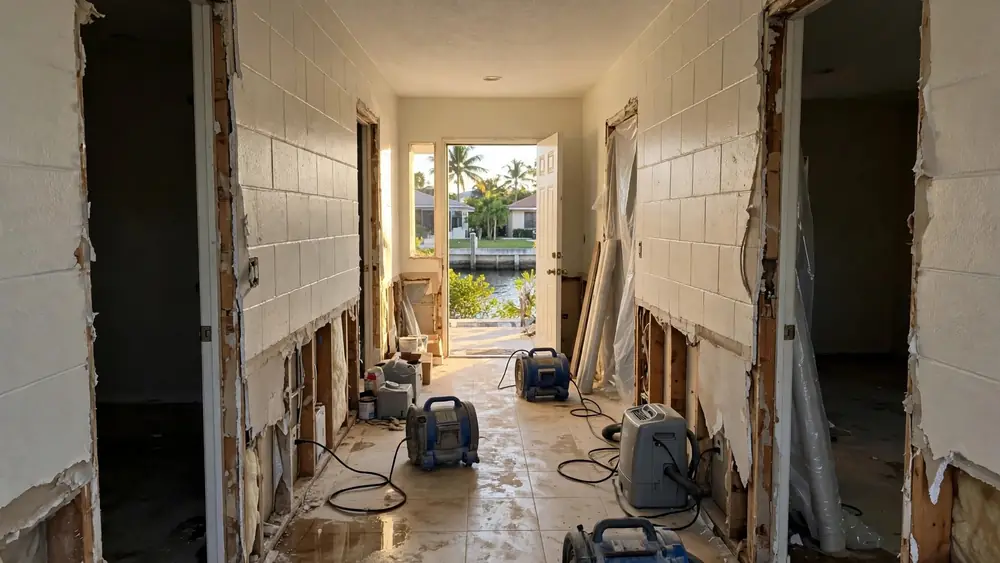
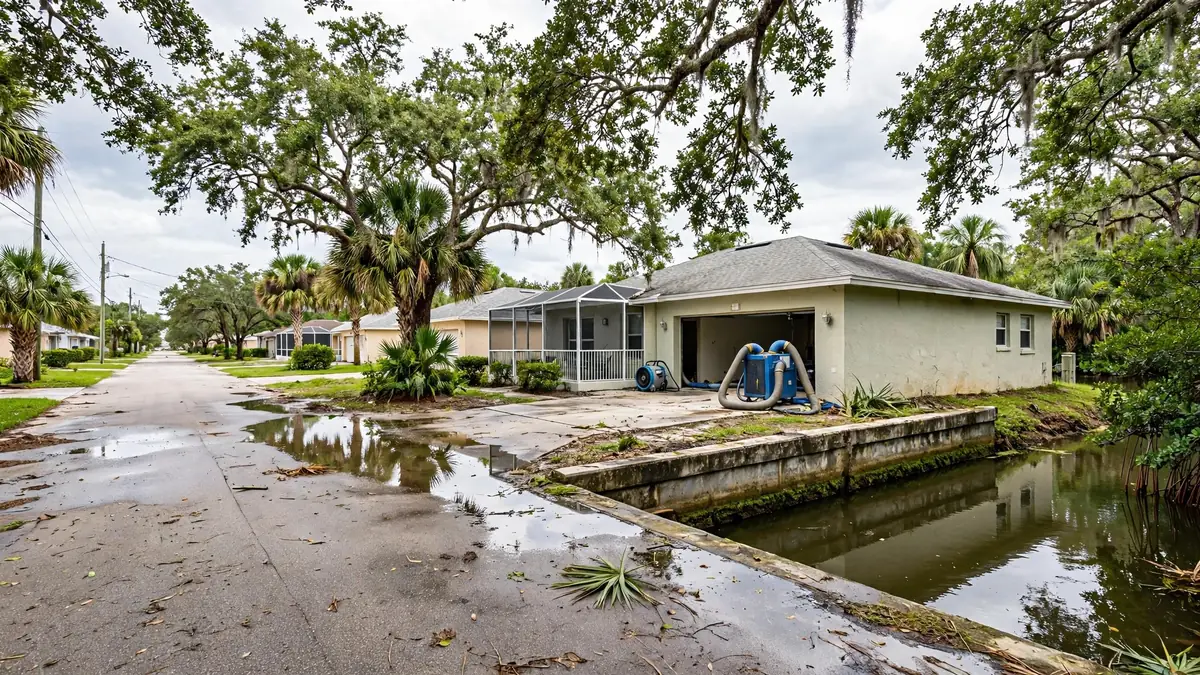
Key facts: Deep Creek
- Deep Creek is about 5.5 miles east of Port Charlotte at an elevation of about 23 feet, in ZIP code 33983 [1].
- Deep Creek is a deed-restricted unincorporated community in Charlotte County [1].
- Helene brought a maximum of 2.66 inches of rain near Harbor Heights, close to Deep Creek [2].
- A 24 to 48 hour drying window is what EPA mold guidance recommends for wet building materials [3].
What sets Deep Creek apart from the coast
Deep Creek is an unincorporated, deed-restricted community in Charlotte County, about 5.5 miles east of Port Charlotte, with a reported elevation of 23 feet and the ZIP code 33983 [1]. Mail runs through Punta Gorda, phone numbers are registered as Port Charlotte, and utilities can come from both, which sums up its in-between position [1]. Ask for clarity on all of this when you are dealing with utilities or permits.
Elevation is the big local difference. Sixteen extra feet compared with Punta Gorda's reported 7 does not put a home beyond every flood, but it does make the storm surge headlines less relevant for much of the neighbourhood. The county's evacuation zones are still worth checking for your address [4]. Around here, a homeowner is usually more likely to be dealing with wet ceilings, soaked closets and rain coming through a damaged roof than with a harbor at the front door.
The southern edge of the community is different, however. The Peace River lies to the south. Lower streets near that edge should treat river levels with more respect than higher streets in the middle.
Local settings you might mention on a call
- Interior deed-restricted streetsSingle-family homes on higher ground, typically with block walls, slabs and attic ducts.
- Streets near the Peace RiverLower ground where a river crest or heavy rain deserves attention.
- Homes along golf course edgesDrainage may run through shared swales or ponds, so check where water flows.
- Newer infill housesMore recent construction can have different ducts, roofs and water shutoffs from older neighbours.
What tends to go wrong in Deep Creek homes
Ceiling stain after a windy storm
Lifted shingles or tile allow rain into the attic.
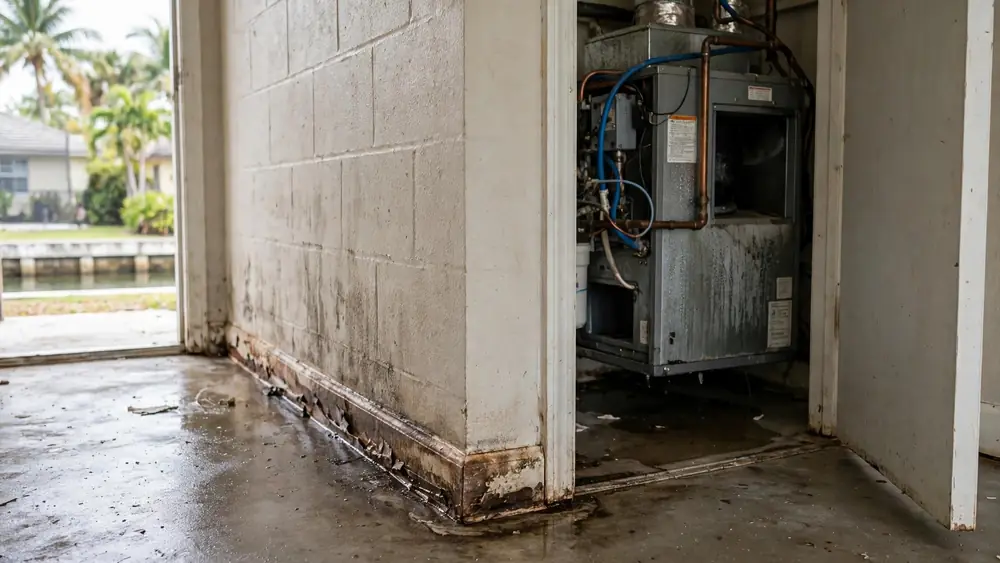
Air handler closet soaked
A clogged drain line can run for days in a home set to minimal cooling.
Rain pooling at a slider
Heavy rain can overwhelm the track or a low patio.
Damp wall after a pipe leak
Water runs under the wall and wicks up from the slab.
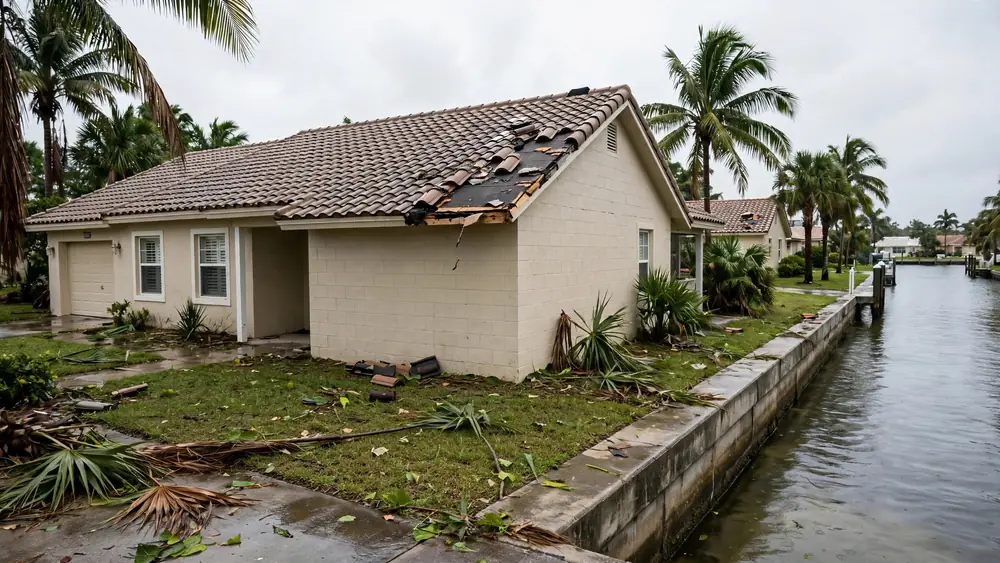
Wind reaches inland too
Being a few miles from the harbor does not remove wind from the picture. Charley's core tracked north-northeast from Punta Gorda across the peninsula [5], and a storm of that kind can bring its strongest gusts to communities east of Port Charlotte. In Milton, peak gusts across Charlotte County were reported between 70 and 80 mph [6], and in Helene between 60 and 70 mph [2]. Inland homes on open lots or near golf courses may also have fewer obstacles to slow the wind.
So look over the roof after each named storm and check inside the attic as well. Ian may have loosened something that Milton finally pulled away. Trees are a separate issue. Limbs falling on a roof open a sudden hole, and water can pour in during the next downpour, often before the owner realises how much has been lost.
What the Peace River means for Deep Creek's southern edge
Hurricane Ian's most striking inland story was rain-fed river flooding. The National Hurricane Center says Charlotte and neighbouring counties north of Ian's track saw significant flooding as the Peace, Myakka and other rivers crested at record levels [7]. The agency describes dangerous conditions along the river upstream, and water levels near the south side of Deep Creek will follow what the river is doing.
River flooding builds and lingers in a way surge does not. It can arrive after a storm has moved on and stay high for days. If you live on a lower street here, it is worth following official river forecasts after heavy rain rather than judging by what you can see from the driveway. Contaminated water rules apply just as they would for harbor water, although salt is likely to be less of a concern upriver.
Housing
Slab, block and closed-up homes
Many Deep Creek houses follow the regional pattern of slab floors, block outer walls and attic ductwork, though some are wood frame and you should verify yours. Interiors can be shut up for long stretches when owners travel or spend summers elsewhere. Water that reaches a slab here dries slowly, and in a closed house the air conditioning may be turned down or its drain may be the source of the problem in the first place.
That combination favours slow, unnoticed damage. Ask a neighbour or house-watcher to check on your air handler closet and ceilings occasionally, especially after storms. Set the home up so a small leak does not get three months to spread.
- Check the air handler closet on each visit
- Know where your attic ducts run
- Ask someone to look in after named storms
Deed restrictions and repairs
Deep Creek is described as deed restricted [1]. Practically speaking, that can mean rules on exterior work: roof materials and colors, paint, fences, sheds and how long temporary measures can stay up. Those rules sit alongside the county's building code rather than replacing it. Before you choose an exterior repair, read your restrictions and ask your community association whether they need to approve anything.
A tarp or temporary repair after a storm is a reasonable way to limit damage, and in most communities that is understood, but check how long it may remain and let the association know. Keep photographs. When dealing with inside repairs, restrictions usually matter less, but a dumpster or storage unit in the driveway might need a word with them first.
Permits for Deep Creek homes
This is unincorporated Charlotte County, so most building permit questions go to Community Development. Interior drying itself generally does not need a permit, but what follows can, so ask before you begin rebuilding.
If you are in a mapped flood zone, the 50 percent rule may apply [8]. Fewer homes here may be affected than along the harbor, but do not assume you are excluded; check your own property on the county's GIS mapping [9]. Verify contractor licences through the state portal [10].
Deep Creek water damage by source
| Source | What you may see | What usually comes next |
|---|---|---|
| Roof opening | Ceiling stain, wet insulation | Tarp or roof repair, then attic work |
| Condensate overflow | Wet closet, damp hallway base | HVAC clears the drain, walls metered |
| Supply line failure | Sudden water, multiple rooms | Extraction, lifting of floors |
| Rain at sliders | Wet strip by the door | Dry the floor, check seals |
| River or drainage water | Silt, waterline | Treat as contaminated |
Drainage, swales and heavy afternoon rain
Inland communities can flood without any help from the Gulf. Heavy rain falling on flat ground has to run through swales, ditches and ponds, and these may back up during very wet spells. The published average annual precipitation for nearby Port Charlotte is about 49.6 inches [11], and heavy summer downpours are common. Modelled Open-Meteo data suggest about 58 inches a year in the longer term, and around 8 days a year with an inch or more of rain, though these are estimates from a model rather than gauge readings.
To protect your home, keep the swale in front clear of debris, make sure downspouts carry water away from the slab, and check that the grade around the house falls away from the walls. Notice where water collects during a big rain, and take a photograph. If water keeps reaching the door, ask a drainage or grading professional for an opinion.
Lawns, irrigation and water against the walls
Irrigation is easy to overlook. A sprinkler head aimed at the wall, a broken line near the slab, or a timer stuck on during a wet week can keep block and stucco damp at the base. That can look like a roof problem at first, or cause paint bubbles and swelling baseboards inside on the same wall. Walk around the home during an irrigation cycle now and then and watch where the water lands.
Well-fed lawns also sometimes raise the soil level against a wall over the years. Keep some clearance between soil and any wall cladding or weep openings, and check the sill area after heavy rain. These simple checks catch things before they become restoration jobs.
Handling a Deep Creek roof leak in the first day
- 1
Keep clear and protect contents
Stay out from under sagging ceilings, and move furniture and valuables to a dry room.
- 2
Consider the electrics
Turn off affected circuits only if the panel is dry and reachable.
- 3
Photograph from inside and outside
Include damage in the yard and any shingles or tiles that came off.
- 4
Get the roof covered
A roofer or tarp stops more water. Let your association know if needed.
- 5
Call your insurer
Report the damage and ask what they need.
- 6
Get the wet areas assessed
Attic, ceiling and walls should be checked for moisture before anything is sealed up.
Storm evacuation for inland neighbourhoods
Lying inland does not exclude you from county evacuation planning. Orders have covered mobile and manufactured homes in addition to low zones, for instance in Milton [6]. If you live in a manufactured home or a low street near the river, have a plan and heed the orders. County maps show which zone your address falls under [4].
Some Deep Creek residents may also host friends or relatives from coastal zones. That is a kind thing to do, but make sure your own home is ready: clear gutters, secure loose items, and keep a note of how to shut off water if something goes wrong while the house is full.
Utilities and the question of who to call
Local information says Deep Creek receives utilities from both Punta Gorda and Port Charlotte [1]. Your bill tells you who supplies water and sewer. It helps to know this if you suspect a leak on the street side of the meter, a sewer backup, or a boil-water notice after a storm. Find the contact number before you need it, and keep a paper copy for when phones are unreliable.
Read your meter occasionally. If it keeps moving with everything turned off, you may have a leak. A plumber can find out whether it is before or after the meter and which side is yours to deal with.
Golf course and pond-edge lots
Lots that back onto greens or retention ponds may enjoy nice views but can also collect runoff. Ponds are usually part of the drainage design, and in big rains they can reach the edge of a yard. Do not assume that a nearby pond means a flood risk, or that it is safe. Look at the county's flood map, ask neighbours how high the water has risen in past events, and photograph high water each time it happens.
If water ever reached the patio, take that seriously and consider what is stored at floor level on that side of the house. Screen enclosures and pool decks can also channel water toward doors, so check that drains on the deck are clear.
Seasonal owners and house-watchers
Inland communities have seasonal owners as well. When you leave, shut off the main water if your system allows it, raise the thermostat only as far as your HVAC technician advises to keep humidity in check, and check your policy's wording on vacant or unoccupied homes. Leave your details with a neighbour and consider a simple leak sensor near the air handler.
EPA guidance suggests keeping indoor humidity below 60 percent [3]. A small hygrometer you can read remotely will show you whether the house is holding that number while you are away. Spikes usually mean something has changed, so call someone to take a look.
Mold inside closets and behind furniture
Closed-up homes grow mold in the places air does not reach: behind headboards, inside closets and under sinks. Often it starts with a small leak or high humidity rather than a storm. If you see spots or smell something musty, deal with the moisture first, and follow EPA guidance on cleanup, using protection. Consider professional help above about 10 square feet [3]. Painting over it is not a fix.
If you plan to test or remediate, ask whether the company is acting as assessor or remediator, as state rules generally separate them [12]. Air samples are not always needed if the growth is visible, so ask what a test would change before you order one.
Insurance notes for inland owners
Many inland homeowners assume they do not need flood coverage, and maybe they do not, but make that a decision instead of an assumption. Rain and river water can reach homes outside high-risk zones, and the county itself warns about that [9]. A wind claim for a roof opening is normally treated separately from rising water, so ask your agent about both. Read your wind deductible before storm season.
Report damage promptly. Florida law generally bars new or reopened claims not noticed within one year of the date of loss, and supplemental claims after eighteen months [13]. A small ceiling stain you find three months after a storm may still be reportable, but sooner is better.
Pre-season checklist for Deep Creek homes
- Roof and atticLook for lifted edges, daylight or damp insulation.
- Air handlerClear the drain line and test any float switch.
- TreesRemove dead limbs before storm season, following any rules on your property.
- Yard drainageClear the swale and extend downspouts away from the house.
- Slider tracksClean them and check the weep holes.
- PaperworkKeep your policy, contacts and photos in one waterproof place.
Comparing Deep Creek with its neighbours
Our Harbour Heights page covers the community upriver on the same side, where the river frontage is more of a feature. Our Charlotte Harbor page covers the tidal end at the bridges. Compared with both of them, the main Deep Creek concerns are the attic and the air handler rather than the water table. But if you live on a low street at the southern edge, read the river sections on those pages too.
Attic ducts in an inland summer
Inland homes get just as hot as those on the coast, and sometimes hotter, because they lack a sea breeze. Ducts running through a hot attic can sweat where the insulation has slipped or a joint has opened. That moisture drips onto the ceiling below and can look like a small roof leak, though it often appears in humid weather with no rain at all. A dated photograph of the stain and a note about the weather help tell the two apart.
Ask your HVAC technician to look at wrap, joints and hangers during routine service. Have them check for leaks at the air handler's connections as well. A small fix in the attic may prevent a ceiling repair below, and it is one of the few jobs in this list that can be handled long before any storm is on the map.
Sheds, lanais and detached structures
Detached sheds and screened lanais are often the first things wind damages on an inland lot. Parts torn away can strike the roof or a window. Secure or store anything loose, and photograph these structures each year.
Gates, codes and whoever holds the keys
If you are away, name one local person who can open the door, read the thermostat and describe what they see.
FAQ
Deep Creek water damage questions
Is Deep Creek safe from storm surge?
Much of it sits higher than the coast, at about 23 feet reported, but no area is completely immune and lower streets near the Peace River differ. Check your own address on the county's evacuation and flood maps, and follow official orders.
Do I need association approval for storm repairs?
Deep Creek is deed restricted, so exterior work such as roofs and fences may need approval. Temporary protection to limit damage is usually a separate question. Read your restrictions, tell your association what is happening, and keep dated photographs.
Who handles permits in Deep Creek?
It is unincorporated, so Charlotte County Community Development usually handles building permits, even though mail goes through Punta Gorda. Roofing and electrical work generally need permits. Ask the county which requirements apply before work starts on your address.
Why is my closet wet if there was no storm?
The likely culprits are the air handler's drain line or a nearby supply pipe. Turn the system off if the pan is full, call an HVAC technician or plumber, and have the walls checked with a meter.
Can heavy rain flood a house this far inland?
It can. Flat ground, full swales and overwhelmed ponds may send water to the door, even with no hurricane around. Keep drains clear, extend downspouts, and take photographs of where water collects so a professional can advise you.
Who supplies water and sewer in Deep Creek?
Utilities here have come from both Punta Gorda and Port Charlotte, according to local references. Check your own bill, and keep that contact number handy so you can report a leak or follow boil-water notices after a storm.
Nearby
More around Deep Creek
Back to all of Port Charlotte. Nearby pages: Charlotte Harbor, Harbour Heights, Punta Gorda.
Related help for Deep Creek: water extraction, structural drying, sewage backup cleanup, fire damage restoration and smoke damage cleanup. First time dealing with this? Read the first hours after water damage.
Sources and citations
- [1]Wikipedia: Deep Creek, Florida
- [2]National Weather Service Tampa Bay: Hurricane Helene impact narratives
- [3]U.S. EPA: A brief guide to mold, moisture and your home
- [4]Charlotte County: Know your zone
- [5]National Hurricane Center: Tropical Cyclone Report, Hurricane Charley
- [6]National Weather Service Tampa Bay: Hurricane Milton impact narratives
- [7]National Hurricane Center: Tropical Cyclone Report, Hurricane Ian
- [8]Charlotte County: 50 percent FEMA rule
- [9]Charlotte County: How to know if you are at risk of flooding
- [10]Florida DBPR: Licensing portal
- [11]Wikipedia: Port Charlotte, Florida
- [12]Florida Statutes 468.8419: Mold assessor and remediator prohibitions
- [13]Florida Statutes 627.70132: Notice of property insurance claim